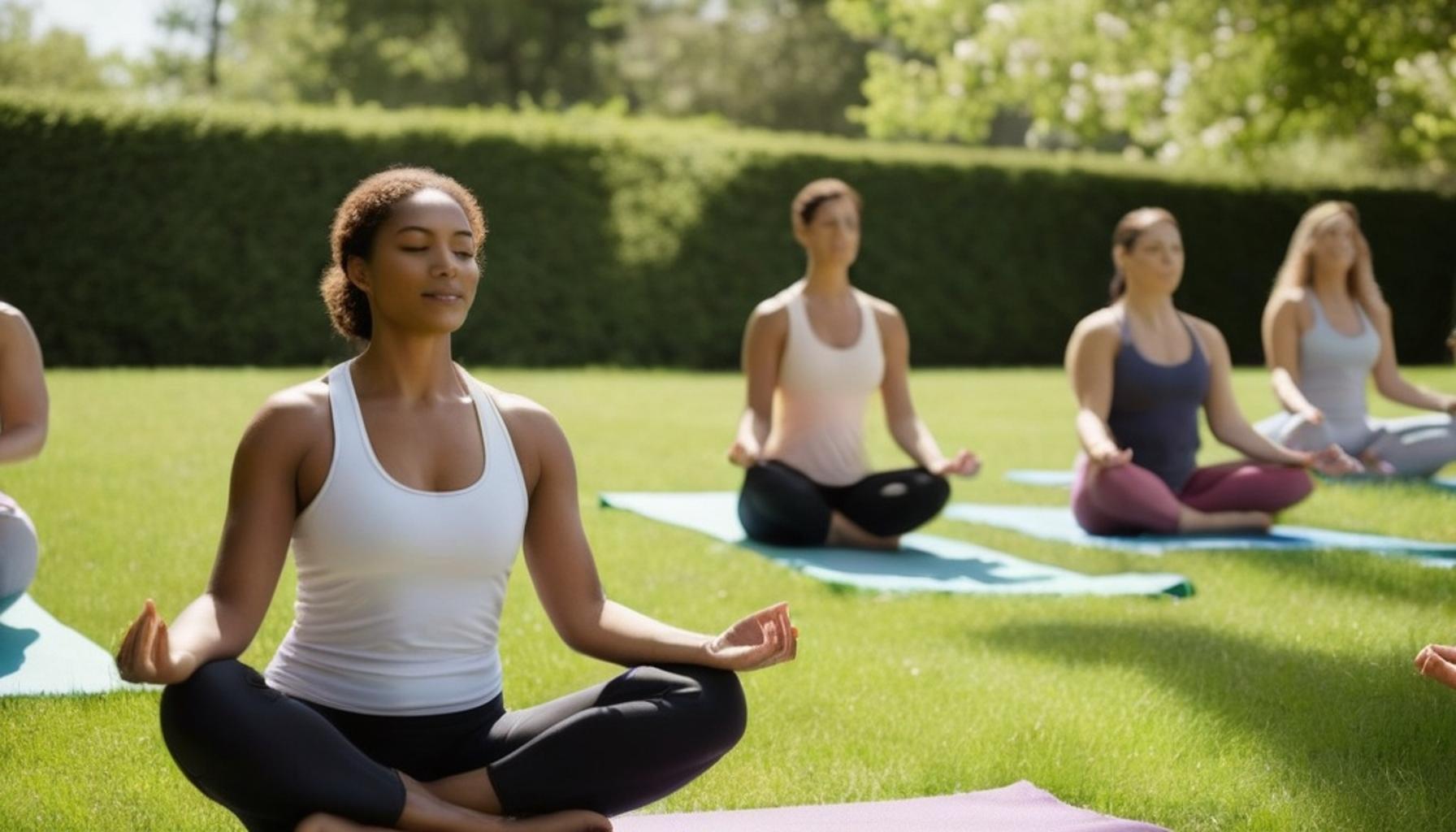
The importance of mindfulness and meditation for daily mental well-being

Why Mindfulness and Meditation Matter More Than Ever
Americans are more stressed than ever. According to the American Psychological Association, over 75% of U.S. adults report experiencing physical or emotional symptoms linked to stress within the past month. From tight work deadlines in Chicago boardrooms to the chaos of school pickup lines in suburban Texas, stress has become a near-universal experience woven into the fabric of daily American life.
Amid packed schedules, endless notifications, and rising anxiety rates, a growing number of people are turning to mindfulness and meditation as practical tools for daily mental well-being. This isn’t a passing wellness trend—it’s backed by decades of clinical research. In fact, meditation apps like Headspace and Calm have seen downloads skyrocket into the tens of millions, signaling a cultural shift toward proactive mental health management rather than reactive crisis care.
What Science Says About the Benefits of Mindfulness
Studies from institutions like Harvard Medical School have shown that consistent meditation practice can physically reshape the brain’s gray matter, improving areas tied to memory and emotional regulation. Researchers using MRI scans found that participants who meditated for just eight weeks showed measurable changes in the amygdala, the brain’s stress-response center.
The benefits of mindfulness extend far beyond stress reduction. Regular practitioners often report:
- Improved focus and productivity throughout the workday, particularly during long stretches of remote or hybrid work
- Better sleep quality and reduced insomnia, a growing concern given that nearly one-third of American adults report inadequate rest
- Lower blood pressure and improved cardiovascular health, according to findings published in the Journal of the American Heart Association
- Greater emotional resilience during difficult life events, including job loss, grief, and major life transitions
- Enhanced relationships through increased self-awareness and more thoughtful communication with partners, coworkers, and family members
Getting Started Doesn’t Require a Retreat
You don’t need a silent retreat in the mountains to experience results. Simple mindfulness exercises for stress relief—like a five-minute breathing exercise before a big meeting or a short body scan during a lunch break—can make a measurable difference. Even sitting in a parked car for a few quiet minutes before heading into work counts.
This article explores practical meditation techniques for beginners, along with actionable strategies on how to practice mindfulness in the middle of a busy American lifestyle. Whether you’re a skeptic curious about the hype or a seasoned practitioner looking to deepen your practice, there’s something here worth discovering.
LEARN MORE: Click here to discover the connection between exercise and mental well-being
# The Science Behind Slowing Down: How Mindfulness Rewires the American Mind
Breaking Down the Daily Habits That Make Mindfulness Work
Walk into any Starbucks in Seattle or subway car in New York City, and you’ll likely spot someone with a meditation app open on their phone. This isn’t coincidence—it’s the visible result of a nationwide shift toward mindfulness and meditation as everyday mental health tools rather than occasional luxuries. From tech employees in Austin taking five-minute breathing breaks between meetings to truck drivers in Ohio using audio meditations during rest stops, the practice has quietly infiltrated nearly every corner of American life.
What sets modern mindfulness apart from old stereotypes of incense and chanting is its practicality. Today’s practice looks less like a spiritual retreat and more like a lunch break reset or a two-minute pause before a Zoom call. That accessibility is precisely why it’s gaining traction among people who once dismissed it as new-age fluff. Apps like Headspace and Calm have reported millions of downloads specifically from users searching for “stress relief” rather than spiritual enlightenment, signaling a fundamental shift in how Americans frame the practice altogether.
The Neuroscience That Convinced the Skeptics
For years, meditation lacked hard scientific backing in mainstream medicine. That’s changed dramatically. Researchers at UCLA’s Mindful Awareness Research Center have documented measurable decreases in cortisol—the body’s primary stress hormone—among participants who meditated regularly for just six weeks. This kind of rapid, quantifiable change is what pushed skeptical physicians and insurance companies to start taking mindfulness seriously as a legitimate clinical intervention.
Even more compelling: a 2018 study published in Frontiers in Human Neuroscience found that experienced meditators showed increased cortical thickness in brain regions associated with attention and sensory processing. In plain terms, consistent practice may literally strengthen the brain’s capacity to focus and process information more efficiently. Some researchers have compared this effect to physical exercise, suggesting the brain, much like a muscle, adapts and grows stronger with repeated mental training.
This matters enormously in a culture where the average American checks their phone 96 times a day, according to Asurion research. Constant digital interruption fragments attention spans, and mindfulness offers a countermeasure grounded in biology, not just philosophy. Employers have taken note too—companies including Google and General Mills now offer in-house meditation rooms, citing improved employee focus and reduced burnout as measurable business outcomes.
Why Daily Mental Well-Being Requires More Than Willpower
Many people assume managing stress is simply a matter of “toughing it out” or working harder. Science suggests otherwise. Chronic stress physically alters brain structure over time, shrinking areas responsible for decision-making while enlarging the amygdala’s fear response. This biological reality helps explain why sheer determination often fails against long-term anxiety and burnout.
Mindfulness interrupts that cycle. Here’s what happens during a typical practice session, according to clinical research:
- Heart rate and breathing slow within the first few minutes, activating the parasympathetic nervous system
- Cortisol levels begin dropping, reducing the body’s physiological stress response
- Prefrontal cortex activity increases, improving rational thinking and emotional control
- Default mode network activity—linked to rumination and anxious thought loops—quiets down significantly
These aren’t abstract concepts confined to laboratories. They translate directly into real-world outcomes: fewer emotional outbursts during traffic jams, clearer thinking during high-stakes presentations, and steadier responses when family conflicts arise around the dinner table. Veterans’ hospitals across the country have even begun incorporating mindfulness-based stress reduction programs to help manage PTSD symptoms, further validating its clinical relevance.
Understanding this biological foundation makes the case for daily mental well-being practices far more convincing than vague wellness slogans ever could. As more research accumulates, the conversation is shifting from whether mindfulness works to how deeply it can reshape everyday American life.

Key Aspects of Mindfulness and Meditation for Daily Mental Well-Being
Understanding the benefits of mindfulness starts with breaking down its core components. The table below highlights essential meditation techniques for beginners and explains how each contributes to daily mental well-being. From stress reduction to improved focus, these practices offer measurable results backed by growing scientific interest.
| Category | Key Benefits & Practice |
|---|---|
| Breathing Awareness | A foundational mindfulness exercise for stress relief; slows heart rate and calms the nervous system in minutes. |
| Body Scan Meditation | Enhances self-awareness and releases physical tension linked to chronic anxiety. |
| Guided Visualization | Popular among those learning how to practice mindfulness; improves emotional regulation and sleep quality. |
| Daily Consistency | Just 10 minutes of mindfulness and meditation practice daily can reduce cortisol levels significantly over time. |
DIVE DEEPER: Click here to discover the best superfoods for your health
Practical Meditation Techniques for Beginners That Actually Fit Into a Busy Schedule
Skepticism about mindfulness and meditation often comes from a single misconception: that it requires an hour of silence, a yoga mat, and a completely empty schedule. In reality, some of the most effective meditation techniques for beginners take less time than scrolling through Instagram during a coffee break.
Consider the “5-4-3-2-1” grounding exercise, popular among therapists treating anxiety disorders from Los Angeles to Chicago. It asks practitioners to identify five things they see, four they can touch, three they hear, two they smell, and one they taste. The entire exercise takes under three minutes yet interrupts spiraling thoughts almost immediately by forcing sensory engagement with the present moment.
How to Practice Mindfulness Without Overhauling Your Routine
Learning how to practice mindfulness doesn’t demand a dramatic lifestyle change. Behavioral researchers at Duke University found that habits stick best when attached to existing routines—a concept called “habit stacking.” Instead of carving out a separate meditation block, people are pairing mindfulness with actions they already do daily.
- Practicing three deep breaths while the coffee maker brews each morning
- Doing a body scan during the first red light of a morning commute
- Focusing entirely on taste and texture during the first three bites of lunch
- Repeating a single calming phrase while waiting for a work laptop to boot up
These mindfulness exercises for stress relief work precisely because they don’t require extra time in an already packed day. A 2021 study from the American Psychological Association found that “micro-mindfulness” sessions of under five minutes still produced measurable reductions in perceived stress when practiced consistently over two weeks.
Real Numbers Behind the Benefits of Mindfulness
Skeptics often ask for proof beyond anecdote, and the data increasingly delivers. A Journal of the American Medical Association review analyzing nearly 19,000 participants across 47 clinical trials found that mindfulness meditation produced moderate improvements in anxiety, depression, and pain—comparable to results seen with antidepressant medication in some cases, though without the associated side effects.
Workplace numbers tell a similar story. Aetna, the health insurance giant, tracked employees who participated in company-sponsored mindfulness programs and found they gained an average of 62 minutes of productivity weekly, valued at roughly $3,000 annually per employee. That’s not a wellness buzzword—that’s a measurable return on a practice that costs nothing beyond a few quiet minutes.
College campuses are seeing similar shifts. Programs at the University of Wisconsin-Madison built around mindfulness-based stress reduction have shown reduced test anxiety and improved sleep quality among students juggling coursework, part-time jobs, and financial pressure. Sleep researchers specifically noted that students who meditated before bed fell asleep an average of 10 minutes faster than non-meditating peers.
Taken together, these figures reinforce something increasingly hard to dismiss: small, consistent moments of mindfulness accumulate into significant, quantifiable shifts in daily mental well-being, whether measured in cortisol levels, productivity dollars, or minutes of sleep gained.
DISCOVER MORE: Click here for tips on establishing a sleep routine
The Bottom Line on Building a Calmer, Sharper Mind
What emerges from the research isn’t a call for perfection—it’s an invitation to experiment. Mindfulness and meditation have moved well beyond wellness retreats and self-help podcasts; they’re backed by clinical trials, workplace metrics, and university sleep labs from Madison to Los Angeles.
The larger takeaway is that consistency beats intensity. A three-minute grounding exercise practiced daily will likely outperform an hour-long session attempted once a month and abandoned out of guilt. This is precisely why meditation techniques for beginners now emphasize accessibility over ritual.
Where to Go From Here
Anyone still wondering how to practice mindfulness amid a demanding schedule might start smaller than expected: one mindful commute, one distraction-free meal, one deep breath before a stressful meeting. These are not symbolic gestures—they are measurable interventions with documented effects on cortisol, focus, and sleep latency.
It’s also worth acknowledging what the science doesn’t claim. Mindfulness isn’t positioned as a replacement for therapy, medication, or professional mental health care when those are needed. Rather, it functions as a complementary tool, one that’s free, portable, and increasingly supported by data from institutions like the APA and JAMA.
The benefits of mindfulness compound quietly. A few minutes gained in productivity here, a slightly faster path to sleep there, a measurably calmer nervous system over weeks and months. None of it demands a lifestyle overhaul.
As more employers, universities, and clinicians incorporate mindfulness exercises for stress relief into everyday structures, the practice is shedding its reputation as an optional extra. For anyone curious about daily mental well-being, the evidence suggests the most useful next step isn’t more research—it’s simply beginning, one breath at a time.
Frequently Asked Questions
How much time do I need to spend on mindfulness and meditation each day to notice mental health benefits?
Research shows that even 10 to 15 minutes of daily mindfulness and meditation practice can reduce stress and improve focus over a few weeks. Consistency matters more than duration, so a short daily session is more beneficial than an occasional long one. Many people start with 5 minutes and gradually increase as the habit becomes part of their routine.
What is the difference between mindfulness and meditation, and do I need to practice both?
Mindfulness is the practice of staying present and aware of your thoughts, feelings, and surroundings without judgment, while meditation is a structured technique often used to cultivate that awareness. You don’t need formal meditation to be mindful, since you can apply mindfulness during everyday tasks like eating or walking. However, combining both gives you a stronger toolkit for managing daily mental well-being.
Can mindfulness and meditation help with anxiety and racing thoughts at work?
Yes, mindfulness and meditation techniques like deep breathing and body scans can calm the nervous system and interrupt anxious thought loops during a busy workday. Taking short mindful breaks between tasks helps lower cortisol levels and improves concentration. Many professionals use brief guided meditations during lunch breaks to reset their focus and reduce workplace stress.
What are simple mindfulness and meditation techniques for beginners with no prior experience?
Beginners can start with basic breath awareness, focusing on the inhale and exhale for a few minutes without trying to control it. Body scan meditation, where you mentally check in with each part of your body, is another easy entry point. Guided apps or short YouTube sessions are also helpful for learning proper technique before practicing independently.

Linda Carter
Linda Carter is a writer specializing in healthy habits and balanced living. With extensive experience helping readers build sustainable routines, she shares practical guidance on nutrition, physical activity, quality sleep, stress management, and emotional well-being. Her goal is to offer simple, accessible strategies that inspire people to care for their health and enjoy a more balanced life.