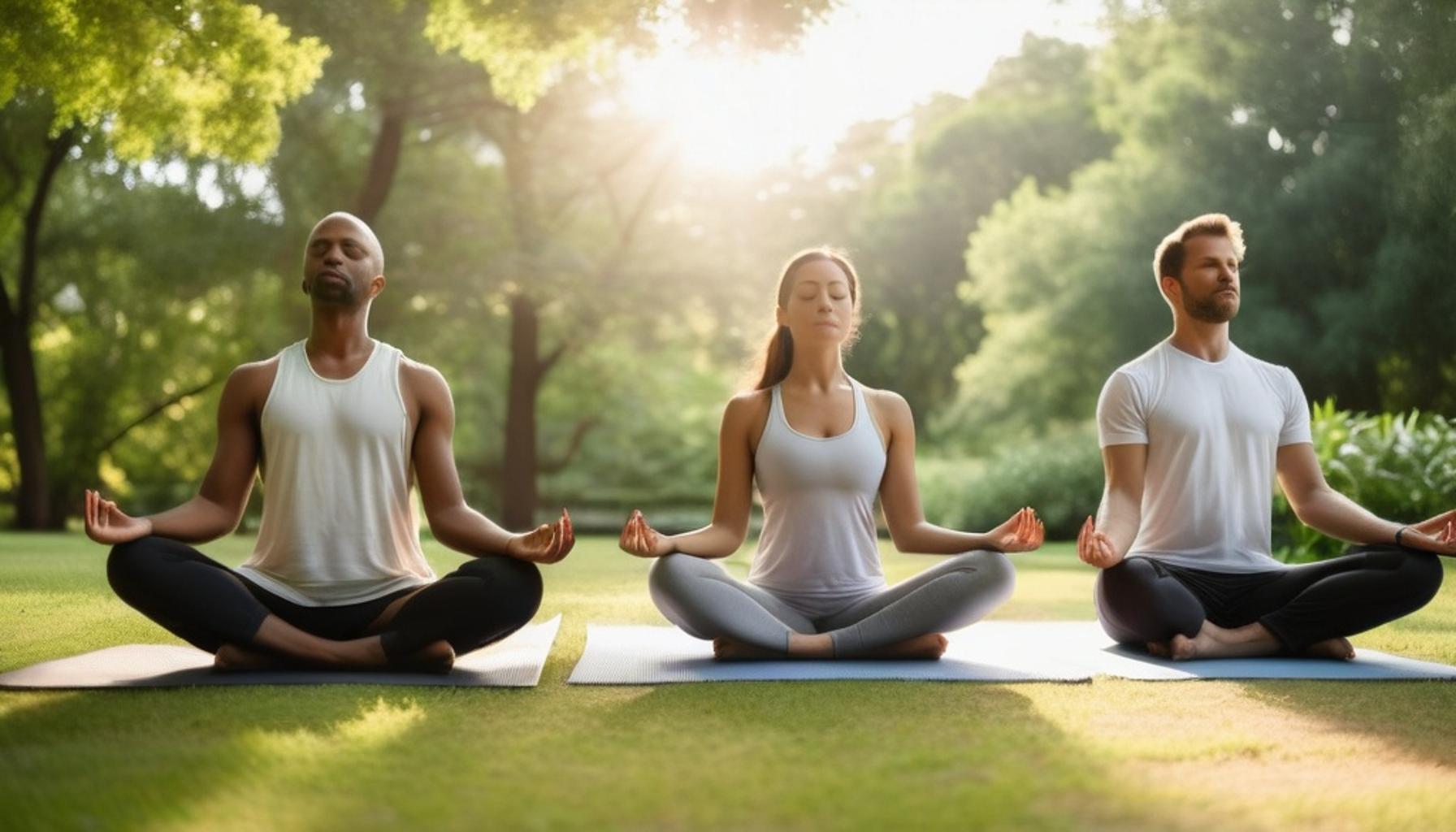
The importance of meditation in stress management for a balanced life
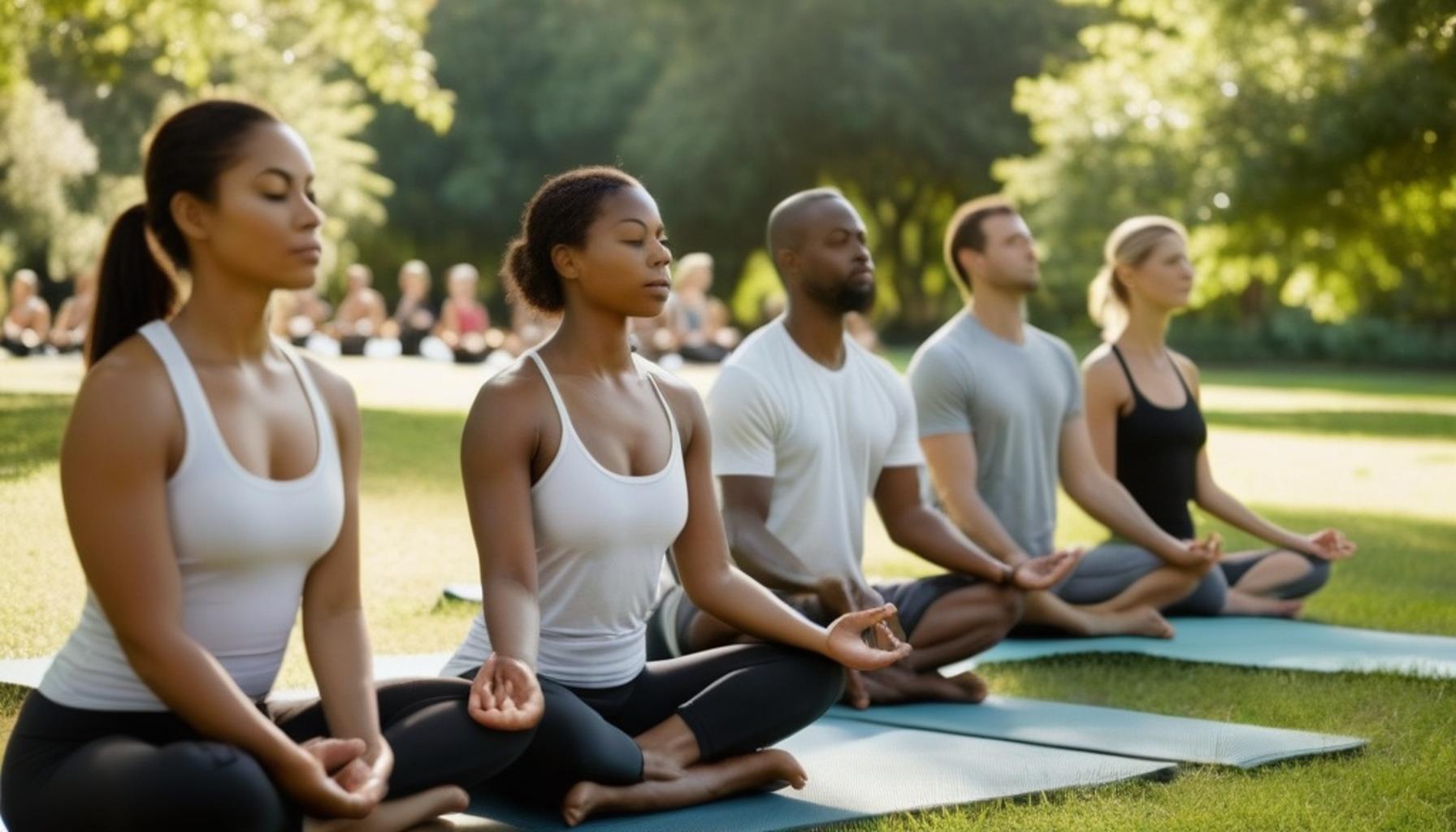
Why Modern Life Demands a New Approach to Calm
Americans are more stressed than ever. According to the American Psychological Association, over 75% of U.S. adults report experiencing moderate to high stress in a typical month, from work deadlines to financial pressures.
This constant state of tension takes a toll on both body and mind. Chronic stress has been linked to heart disease, anxiety disorders, and weakened immune function. Even sleep, one of the body’s most basic recovery tools, becomes harder to come by when the mind refuses to switch off at the end of the day.
Consider the average commuter in Los Angeles or the office worker in New York City juggling back-to-back Zoom calls. The mental load of constant notifications, looming deadlines, and financial uncertainty has created a nation searching for relief. Traditional advice like “just relax” no longer cuts it when the demands of daily life keep piling up.
The Rise of Meditation as a Stress Management Tool
Enter meditation in stress management — a practice once associated with ancient monasteries, now embraced in boardrooms, schools, and even hospitals across the country. Companies like Google and Apple have introduced mindfulness programs, recognizing the tangible benefits of meditation for stress reduction among employees. Even the U.S. military has explored mindfulness-based training to help service members manage high-pressure situations.
But what makes this ancient practice so effective in a fast-paced, digital-first society? The answer lies in science, simplicity, and accessibility. Unlike expensive wellness retreats or specialized therapy sessions, meditation requires nothing more than a willingness to pause.
- Mindfulness and stress relief: Studies show measurable reductions in cortisol levels after consistent practice, suggesting the body genuinely responds to moments of stillness.
- Meditation techniques for beginners: No special equipment or experience required, just a few quiet minutes and a willingness to breathe with intention.
- Long-term balance: Regular practice supports emotional regulation and improved sleep quality, two areas where many Americans report the most difficulty.
Interestingly, apps like Headspace and Calm have turned meditation into a billion-dollar industry, proving that Americans are not just curious about mindfulness, they are actively investing in it. Schools in states like California and Ohio have even piloted classroom meditation sessions, reporting improved focus and reduced anxiety among students.
This article explores how to meditate for stress management effectively, breaking down proven stress management techniques that fit seamlessly into everyday American life. From busy professionals navigating corporate pressure to overwhelmed students balancing coursework and social expectations, the path to a more balanced life may be simpler than you think.
As stress continues to shape the national conversation around mental health, one question remains worth asking: could a few minutes of stillness each day be the missing piece in America’s search for calm?
DIVE DEEPER: Click here to uncover more about mindfulness and meditation
The Science Behind Meditation in Stress Management
Walk into any hospital in Boston or a wellness center in Austin, and you might notice something surprising: doctors are prescribing stillness. Not medication, not therapy sessions alone, but structured moments of quiet reflection. This shift reflects a growing body of research confirming what practitioners have claimed for centuries.
A landmark study published by Harvard Medical School found that consistent mindfulness practice can actually change the brain’s structure. Participants who completed an eight-week mindfulness program showed increased gray matter density in areas associated with memory, empathy, and emotional regulation. Meanwhile, the amygdala, the brain’s alarm system for stress and fear, showed measurable shrinkage.
This is not just anecdotal wellness talk. The benefits of meditation for stress are increasingly quantifiable, giving skeptics real data to consider rather than vague promises of feeling “more zen.”
What Happens in the Body During Meditation
When stress hits, whether from a missed mortgage payment or a tense email from a boss, the body activates its fight-or-flight response. Heart rate spikes, cortisol floods the bloodstream, and muscles tense in preparation for danger that, in modern life, rarely arrives in physical form.
Meditation interrupts this cycle. Research from institutions like Johns Hopkins University points to specific physiological shifts that occur during and after practice:
- Lower cortisol production: Reduced levels of the primary stress hormone, leading to less inflammation throughout the body.
- Slower heart rate: A calmer cardiovascular system, which over time may reduce risks associated with hypertension.
- Improved breathing patterns: Deeper, more intentional breaths that signal safety to the nervous system.
- Better emotional resilience: A greater ability to pause before reacting impulsively to stressful triggers.
What makes this particularly relevant for Americans juggling multiple jobs, childcare, and financial pressures is the accessibility of these results. Unlike a gym membership or a therapy copay, the tools required for mindfulness and stress relief are already built into the human body: breath and attention.
Dr. Elissa Epel, a stress researcher at the University of California, San Francisco, has noted that even brief daily practice can produce noticeable shifts in perceived stress levels within weeks. This finding matters most for anyone wondering how to meditate for stress management without committing hours they simply do not have.
The takeaway so far is clear: this is not about escaping reality but training the body to respond to it differently.
From Silicon Valley Boardrooms to Suburban Living Rooms
Corporate America has taken notice. Companies like Google and Aetna have rolled out internal mindfulness programs, and Aetna reported that employees who participated saved the company an estimated $2,000 per person annually in healthcare costs, alongside a reported 62-minute weekly productivity gain. These are not small numbers for a workforce often stretched thin by long commutes and tight deadlines.
Meanwhile, everyday Americans are discovering the practice through apps like Headspace and Calm, both of which saw subscription surges during periods of national uncertainty. The appeal lies in convenience: a ten-minute session squeezed between school drop-off and a morning meeting can feel more attainable than an hour-long yoga class across town.
Different Approaches, Similar Destinations
Meditation is not a single technique but a spectrum of practices, each offering a slightly different path toward the same physiological calm.
- Body scan meditation: A method that directs attention sequentially through the body, often used to release physical tension tied to stress.
- Loving-kindness meditation: Focused on generating compassion, this practice has been linked to reduced symptoms of anxiety and depression in clinical trials.
- Breath-focused meditation: Perhaps the most accessible entry point, relying solely on attention to inhalation and exhalation.
- Walking meditation: A moving practice that pairs physical activity with mindful awareness, popular among those who find seated stillness uncomfortable.
Researchers at the Mayo Clinic have emphasized that no single method outperforms the others universally. Instead, consistency appears to matter more than the specific style chosen, a detail that might come as a relief to beginners overwhelmed by the sheer variety of options available online.
Why This Matters Right Now
Chronic stress has been linked to heart disease, weakened immune function, and even accelerated cellular aging, according to research published by the American Psychological Association. Given these stak
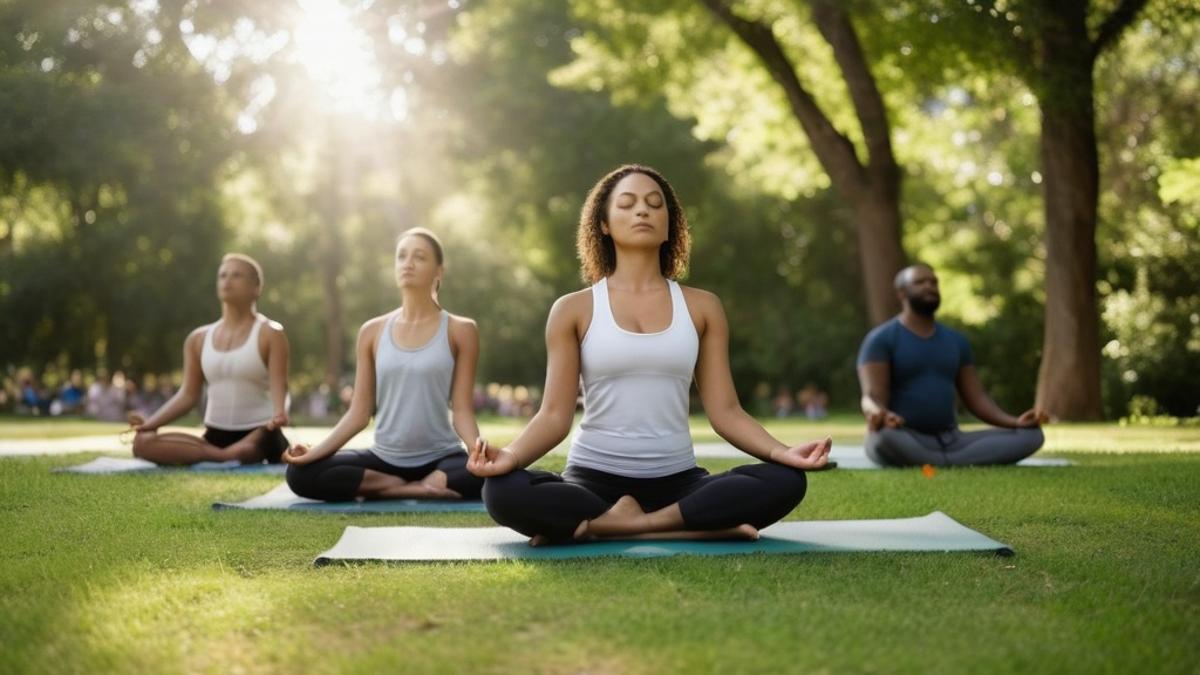
Meditation in Stress Management: Key Techniques and Their Impact
Understanding how to meditate for stress management starts with recognizing which techniques target specific stress responses. Research from Harvard Medical School shows regular practice can lower cortisol levels by up to 20%. Below is a quick reference table highlighting popular meditation techniques for beginners and their measurable effects on the nervous system.
| Category | Stress-Relief Benefit |
|---|---|
| Mindfulness Meditation | Reduces anxious rumination and sharpens present-moment awareness |
| Breath-Focused Practice | Activates the parasympathetic nervous system within minutes |
| Body Scan Technique | Releases muscular tension linked to chronic stress |
| Loving-Kindness Meditation | Boosts emotional resilience and lowers cortisol spikes |
Each of these stress management techniques demonstrates how mindfulness and stress relief intertwine, offering a practical entry point for anyone exploring the deeper benefits of meditation for stress reduction and long-term emotional balance.
LEARN MORE: Click here to discover the connection
Building a Sustainable Meditation Practice for Everyday Life
Given these stakes, health experts across the country are shifting the conversation from “should I meditate” to “how do I actually stick with it.” The gap between knowing meditation helps and building a lasting habit is where most people stumble, and that gap has become the focus of an entire cottage industry dedicated to behavior change.
A 2021 survey conducted by the National Center for Complementary and Integrative Health found that nearly 36 percent of American adults had tried some form of meditation, yet fewer than half continued practicing beyond three months. The problem rarely lies in the technique itself. It lies in unrealistic expectations about what a practice should look like. Many people picture meditation as an escape to a mountaintop monastery rather than something squeezed between a morning commute and a Zoom call.
Starting Small: Meditation Techniques for Beginners
Nobody expects a first-time runner to complete a marathon. Yet many newcomers to meditation assume they should sit in silence for thirty minutes and achieve instant clarity. This mismatch between expectation and reality often leads to frustration and quitting before the habit has any chance to take root.
Behavioral researchers at Stanford University suggest starting with sessions as short as three to five minutes. The goal is not depth of experience but consistency of repetition. A short daily habit tends to outperform sporadic, lengthy sessions in the long run, largely because the brain responds better to small, repeatable wins than to occasional marathon efforts that feel like a chore.
Some practical starting points include:
- Anchoring practice to an existing habit: Meditating right after brushing teeth or before the morning coffee brews creates a natural cue that removes the need for willpower or memory.
- Using guided audio: Beginners often find it easier to follow a voice than sit in complete silence with wandering thoughts, especially apps that walk users through body scans or breath counting.
- Tracking without pressure: A simple checkmark on a calendar can reinforce the habit without turning it into another stressful obligation on an already crowded to-do list.
- Accepting distraction as normal: A wandering mind is not failure; noticing the wandering and returning attention is the actual practice, repeated dozens of times in a single sitting if necessary.
This gentler approach aligns with what clinicians now recommend when patients ask how to meditate for stress management without feeling overwhelmed by the process itself. Some therapists even suggest combining meditation with movement, such as a slow walk around the block, for people who find seated stillness particularly uncomfortable at first.
Regional and Cultural Access Points Across America
Interestingly, access to meditation resources varies significantly depending on where someone lives. Cities like San Francisco and Portland have embraced meditation studios as mainstream fixtures, similar to coffee shops on every corner, complete with membership packages and drop-in classes. In contrast, rural communities in the Midwest often rely on community centers, church groups, or telehealth programs to access similar stress management techniques, since dedicated studios are far less common outside metropolitan hubs.
Veterans Affairs hospitals have also expanded mindfulness-based stress reduction programs nationwide, recognizing the toll of post-traumatic stress on service members. Some VA facilities in Texas and North Carolina now offer group sessions specifically tailored to combat veterans, blending traditional mindfulness instruction with peer support. This expansion signals a broader institutional shift: meditation is no longer viewed as a niche wellness trend but as a legitimate clinical tool woven into standard treatment plans.
When Meditation Meets Modern Technology
Wearable devices like the Apple Watch and Fitbit now include guided breathing reminders, nudging users throughout the day to pause and reset. Some hospital systems, including Cleveland Clinic, have integrated biofeedback tools that measure heart rate variability during meditation sessions, giving practitioners real-time evidence of their nervous system calming down as they breathe more slowly and deliberately.
This blend of ancient practice and modern measurement offers something particularly compelling for data-driven skeptics: proof, delivered in real time, that stillness produces measurable change. For many Americans raised on fitness trackers and step counts, seeing a heart rate graph flatten during meditation may be more persuasive than any philosophical argument about inner peace, ultimately bridging the gap between ancient contemplative traditions and a culture obsessed with quantifiable results.
Meditation in Stress Management: The Bigger Picture
From hospital wards in Cleveland to VA centers in Texas, the evidence keeps pointing in the same direction. Meditation in stress management is no longer a fringe wellness experiment; it has become a practical, evidence-backed tool that fits into the ordinary rhythms of American life, whether that life unfolds in a downtown high-rise or a rural farmhouse.
Consider the numbers: a 2023 survey from the National Center for Complementary and Integrative Health found that meditation practice among American adults has more than tripled since 2012. Hospitals like the Cleveland Clinic now offer guided sessions as part of pain management protocols, while the Department of Veterans Affairs has folded mindfulness training into PTSD treatment plans for thousands of veterans nationwide. These are not isolated pilot programs; they represent a broader institutional bet that calming the nervous system can be as clinically relevant as medication in certain contexts.
What makes this shift remarkable is not just the science behind it, but the accessibility. The benefits of meditation for stress are no longer locked behind monastery walls or expensive retreats. A five-minute breathing exercise before checking email, a guided session squeezed between school pickups, or a wearable device nudging a stressed commuter to slow down their breathing all count as legitimate entry points. Apps like Calm and Headspace report tens of millions of downloads, suggesting that stress relief has become something people reach for as casually as a cup of coffee.
Consistency Over Intensity
Mindfulness and stress relief work best when treated as a habit rather than a cure-all miracle. The research is clear that consistency, not intensity, drives lasting change in how the body and brain respond to daily pressure. Studies from institutions like Harvard Medical School have shown measurable reductions in cortisol levels after just eight weeks of regular, short practice sessions, without requiring hours of silent retreat.
For anyone still wondering how to meditate for stress management without overhauling their entire schedule, the answer seems refreshingly simple: start small, stay consistent, and let the practice adapt to real life rather than forcing life to adapt to it.
As more clinics, employers, and even fitness trackers weave these stress management techniques into everyday tools, meditation is shedding its reputation as an abstract concept reserved for the spiritually inclined. It is becoming something far more universal: a practical strategy for anyone chasing a steadier, more balanced way of living amid the noise of modern American life.
Frequently Asked Questions
How does meditation actually reduce stress on a physiological level?
Meditation activates the parasympathetic nervous system, which lowers cortisol levels and heart rate while calming the body’s fight-or-flight response. Regular practice also reduces activity in the amygdala, the brain region responsible for processing stress and fear. Over time, this shift helps the body recover more quickly from stressful events.
How many minutes a day should I meditate to see stress-relief benefits?
Most research suggests that just 10 to 15 minutes of daily meditation can produce noticeable reductions in stress and anxiety within a few weeks. Consistency matters more than duration, so starting with 5 minutes and gradually increasing is perfectly effective. Even short daily sessions build the neural pathways that support long-term calmness.
What type of meditation is best for managing stress in daily life?
Mindfulness meditation and deep-breathing focused practices like body scan meditation are especially effective for everyday stress management. Guided meditations are helpful for beginners who need structure, while loving-kindness meditation can reduce stress tied to relationships or self-criticism. Experimenting with a few styles helps you find what fits your lifestyle and personality best.
Can meditation help with work-related stress and burnout?
Yes, meditation is widely used to combat workplace stress by improving focus, emotional regulation, and resilience to pressure. Short mindfulness breaks during the workday can lower tension and prevent the buildup of chronic stress that leads to burnout. Many companies now offer meditation programs specifically because of these documented benefits.
Is meditation more effective than exercise for stress management?
Meditation and exercise work differently but complement each other well, so it’s not necessarily about one being superior. Exercise releases endorphins and physically discharges stress hormones, while meditation trains the mind to respond to stress with greater calm and clarity. Combining both often produces the most balanced and lasting results.
What are signs that meditation is successfully lowering my stress levels?
Common signs include falling asleep more easily, reacting less emotionally to minor frustrations, and feeling more present during daily tasks. You may also notice improved concentration, steadier breathing patterns, and fewer physical symptoms of stress like tension headaches or muscle tightness. Tracking your mood and sleep quality over a few weeks can help confirm these improvements.

Linda Carter
Linda Carter is a writer specializing in healthy habits and balanced living. With extensive experience helping readers build sustainable routines, she shares practical guidance on nutrition, physical activity, quality sleep, stress management, and emotional well-being. Her goal is to offer simple, accessible strategies that inspire people to care for their health and enjoy a more balanced life.