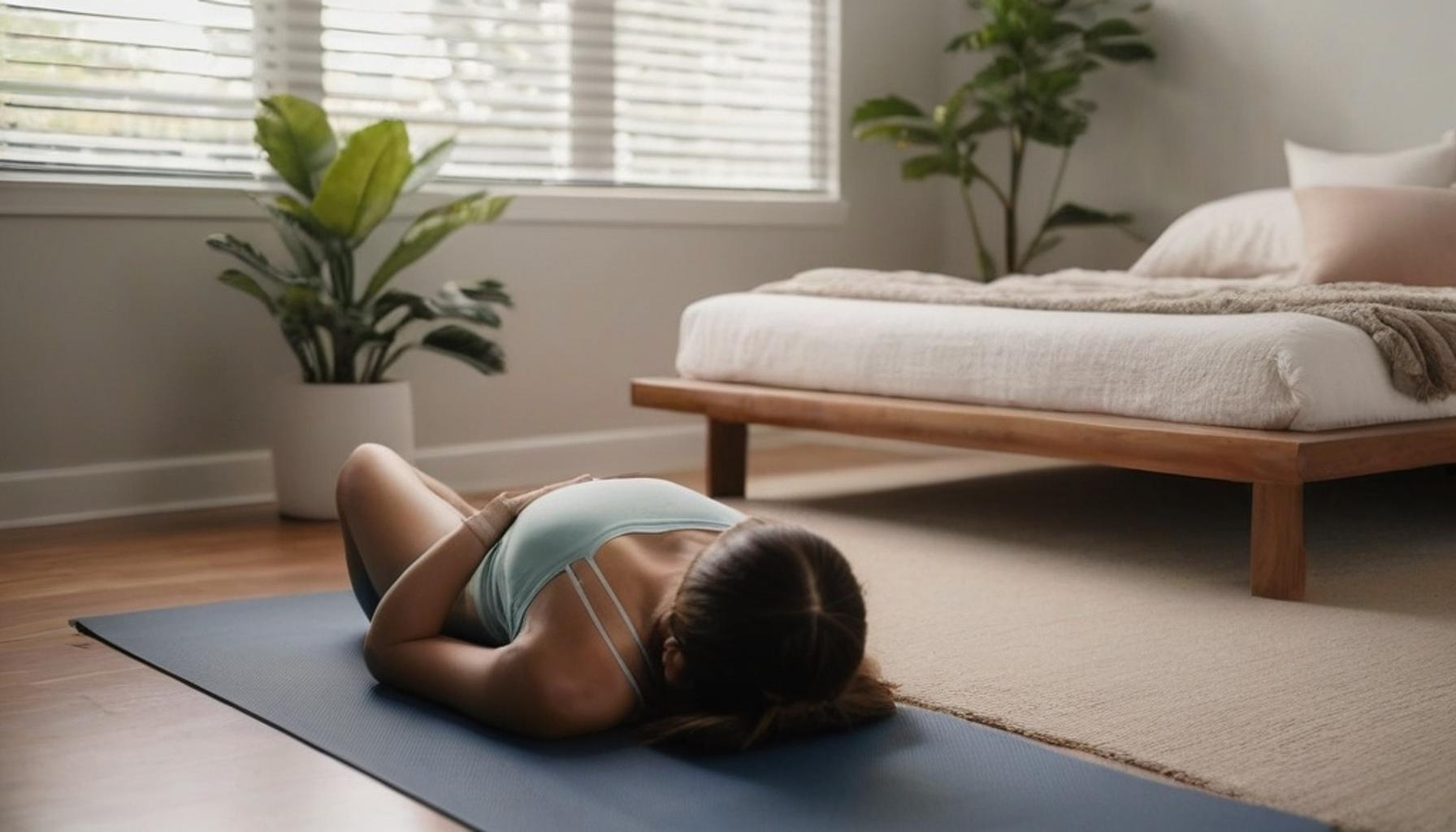
Relaxation Strategies to Promote Restorative Sleep
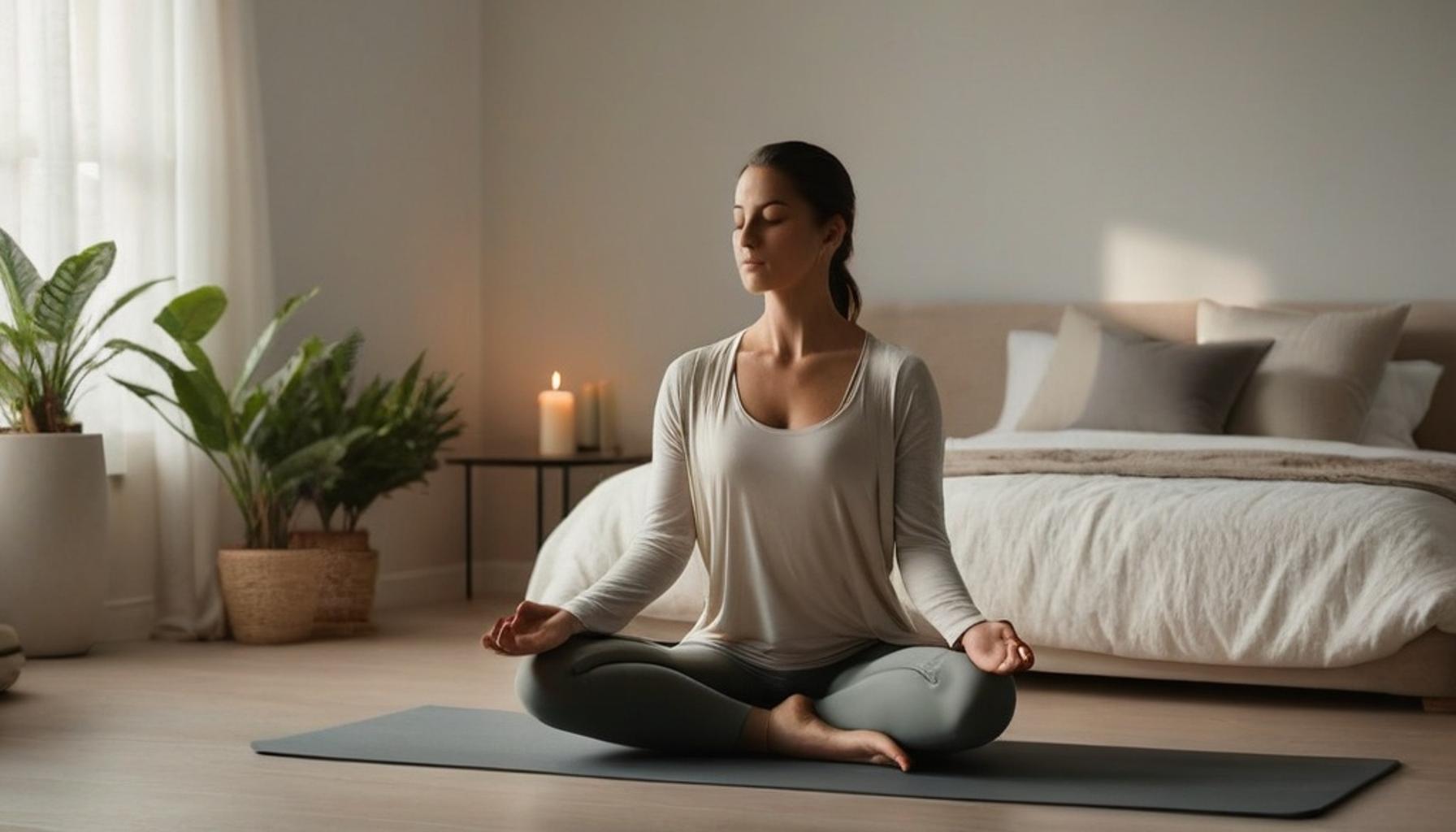
Why Restorative Sleep Feels Out of Reach for So Many Americans
Nearly 1 in 3 U.S. adults regularly clock fewer than seven hours of sleep, according to the CDC. That’s not just a number—it’s a nationwide signal that something in our nightly routines needs attention. From late-night scrolling on smartphones to the stress of juggling work, family, and finances, Americans are running on borrowed time when it comes to rest. The consequences ripple far beyond simple fatigue, touching everything from workplace productivity to long-term health outcomes.
The good news? Relaxation strategies for restorative sleep can help reverse this trend without a prescription pad. Instead of reaching for over-the-counter sleep aids or melatonin gummies, more people are turning to behavioral and environmental adjustments that address the root causes of poor sleep.
What Makes Sleep “Restorative,” Anyway?
Restorative sleep isn’t just about hours logged—it’s about quality. It’s the deep, uninterrupted rest that allows your brain and body to repair, consolidate memories, and regulate hormones. During this phase, your body cycles through stages including deep sleep and REM, each playing a distinct role in physical recovery and mental sharpness.
The benefits of restorative sleep go far beyond feeling less groggy. Research links it to:
- Stronger immune function, helping the body fend off common illnesses like colds and flu
- Better emotional regulation, reducing irritability and anxiety throughout the day
- Improved memory and focus, which can enhance performance at work or school
- Lower risk of chronic conditions like heart disease and diabetes, according to multiple long-term studies
Simple Techniques, Real Results
You don’t need expensive gadgets or complicated routines to see change. Some of the most effective sleep relaxation techniques are surprisingly low-tech and backed by science. Simple habits—like dimming lights an hour before bed or maintaining a consistent sleep schedule—can make a measurable difference within just a few weeks.
From mindfulness for sleep to breathing exercises borrowed from yoga traditions, these tools are accessible to virtually anyone, anywhere. Techniques such as progressive muscle relaxation or the 4-7-8 breathing method have gained popularity among sleep specialists for their simplicity and effectiveness.
This article breaks down practical, evidence-based tips for better sleep—so you can finally understand how to improve sleep quality starting tonight.
CHECK OUT: The Importance of Sleep Routine: How Consistency Can Transform Your Health and Well-Being
# The Science-Backed Path to Deeper Rest
Breathing Your Way to a Better Night’s Sleep
If there’s one relaxation strategy that sleep researchers consistently endorse, it’s controlled breathing. The nervous system responds almost instantly to changes in breath patterns, shifting the body from a stressed “fight or flight” state into the calmer “rest and digest” mode necessary for sleep.
The 4-7-8 breathing method, popularized by Dr. Andrew Weil, has become a go-to among sleep relaxation techniques for a reason. It works like this:
- Inhale quietly through the nose for 4 seconds
- Hold the breath for 7 seconds
- Exhale completely through the mouth for 8 seconds
- Repeat the cycle four times
This pattern slows the heart rate and lowers cortisol levels, two physiological changes directly tied to falling asleep faster. Clinical observations suggest that consistent practice—just five minutes nightly—can shorten the time it takes to fall asleep by nearly half in some individuals struggling with mild insomnia.
Progressive Muscle Relaxation: Tension Out, Calm In
Another well-documented approach involves systematically tensing and releasing muscle groups throughout the body. Known as progressive muscle relaxation (PMR), this technique was developed in the 1930s by physician Edmund Jacobson and remains a staple in modern sleep therapy programs.
Here’s how it typically works: starting at the feet, you tense each muscle group for about five seconds, then release, moving progressively upward through the calves, thighs, abdomen, arms, shoulders, and face. The physical release often triggers a mental one, making PMR particularly useful for people whose racing thoughts keep them awake.
A 2021 review published in a behavioral sleep medicine journal found that participants using PMR reported a 20% improvement in perceived sleep quality after just two weeks of nightly practice—no medication required.
Mindfulness for Sleep: Quieting the Mental Noise
For many Americans, the biggest obstacle to rest isn’t physical discomfort—it’s a mind that won’t stop replaying tomorrow’s to-do list. This is where mindfulness for sleep enters the picture.
Mindfulness-based practices encourage nonjudgmental awareness of the present moment, which can interrupt the cycle of anticipatory anxiety that fuels insomnia. Apps like Calm and Headspace have popularized guided sleep meditations, but even five minutes of unguided body-scan awareness can produce noticeable effects.
Understanding how to improve sleep quality often starts with recognizing that the mind needs winding down just as much as the body does—and these low-cost, accessible tools offer a practical starting point for that process.

Effective Relaxation Strategies for Restorative Sleep
Discovering the right relaxation strategies for restorative sleep can transform restless nights into deep, rejuvenating rest. Below is a quick-reference guide highlighting proven sleep relaxation techniques and their unique benefits, giving you practical tips for better sleep you can start using tonight.
| Technique | Key Benefit |
|---|---|
| Deep Breathing (4-7-8 Method) | Lowers heart rate and activates the parasympathetic nervous system within minutes |
| Mindfulness for Sleep | Reduces racing thoughts, easing the transition into deep sleep stages |
| Progressive Muscle Relaxation | Releases physical tension, improving overall sleep quality |
| Consistent Sleep Schedule | Strengthens circadian rhythm, one of the most cited benefits of restorative sleep |
Each of these methods addresses a different piece of the sleep puzzle, from calming the mind to relaxing the body. Understanding how to improve sleep quality often starts with small, consistent changes rather than drastic overhauls.
DISCOVER MORE: Click here to learn about meditation in stress management
Creating the Sensory Conditions for Deep Sleep
Beyond breathwork and mental quieting, the environment surrounding your body plays a surprisingly large role in how well you rest. Sleep specialists often point to temperature, sound, and touch as underrated relaxation strategies for restorative sleep that work in tandem with breathing and mindfulness practices.
The Temperature-Sleep Connection
Core body temperature naturally drops before sleep onset, and researchers at institutions studying circadian rhythms have found that a bedroom kept between 60 and 67 degrees Fahrenheit supports this process most effectively. Many Americans keep thermostats too warm, unknowingly working against their body’s natural signals.
A warm shower about 90 minutes before bed can paradoxically help. As the body cools afterward, it mimics the temperature drop associated with deep sleep, nudging the nervous system toward rest faster than climbing into bed at room temperature alone.
Weighted Blankets and Deep Pressure Stimulation
One of the more talked-about tools in recent years is the weighted blanket. Studies on deep pressure stimulation suggest that evenly distributed weight—typically 10% of body weight—can increase serotonin and melatonin production while lowering cortisol, similar to the calming effect of a firm hug.
Occupational therapists have used this principle for decades with patients experiencing anxiety, and it has since crossed into mainstream sleep relaxation techniques, with some users reporting falling asleep up to 15 minutes faster.
Sound as a Sleep Ally
White noise, pink noise, and nature soundscapes have become common fixtures in bedrooms across the country. Unlike silence, which can make sudden noises like a passing car or a barking dog more jarring, consistent background sound masks disruptions and helps maintain uninterrupted sleep cycles.
A study from Brigham and Women’s Hospital found that steady, low-frequency sound reduced nighttime awakenings among hospital patients by a significant margin—evidence that translates well to home environments dealing with street noise or restless households.
Aromatherapy and the Olfactory Shortcut to Calm
Scent bypasses the brain’s usual filtering process, connecting directly to the limbic system responsible for emotion and memory. Lavender, in particular, has been studied for its mild sedative properties, with some clinical trials showing improved sleep efficiency among participants exposed to its aroma before bedtime.
- Diffusing lavender or chamomile oil 30 minutes before sleep
- Using a pillow spray formulated with sedative herbs
- Incorporating scented candles as part of a wind-down ritual
These small sensory adjustments, when combined with breathing exercises or mindfulness for sleep, create layered conditions that make understanding how to improve sleep quality less about a single fix and more about a coordinated routine addressing body, mind, and environment together.
DISCOVER MORE: Click here to uncover the secrets of superfoods
Bringing It All Together for Better Nights
Restorative sleep rarely comes down to one trick or one product. As this article has shown, the most effective relaxation strategies for restorative sleep work because they address the body, mind, and environment simultaneously rather than in isolation.
A cool bedroom, a weighted blanket, the hum of white noise, and a few drops of lavender oil are not competing solutions. They are complementary layers that, combined with breathing exercises and mindfulness for sleep, signal to the nervous system that it is safe to power down.
What makes this approach compelling is the accessibility of the data behind it. Researchers have quantified nearly every variable involved, from the ideal 60 to 67-degree range for bedroom temperature to the measurable drop in cortisol linked to deep pressure stimulation. These are not vague wellness claims; they are testable, repeatable findings that anyone can apply at home.
Still, individual results will vary. Some people respond more to auditory cues, others to touch or scent, which is why experimentation matters. Tracking sleep patterns for a few weeks while adjusting one variable at a time can reveal which sleep relaxation techniques genuinely move the needle for a specific body and lifestyle.
The broader takeaway is that how to improve sleep quality is less about chasing a perfect night and more about building a consistent, layered routine. Small, science-backed adjustments accumulate over time into measurable gains in energy, mood, and long-term health.
The benefits of restorative sleep extend far beyond feeling rested. They touch memory consolidation, immune function, and emotional regulation, making these nightly rituals worth the initial effort. For anyone still tossing and turning, the next step is simple: pick one strategy from this guide, commit to it for two weeks, and notice what changes when the body finally gets the rest it has been asking for.
Frequently Asked Questions
What relaxation strategies for restorative sleep work best when you have racing thoughts at bedtime?
Progressive muscle relaxation and diaphragmatic breathing are especially effective because they shift your focus away from mental chatter and onto physical sensations. Pairing these with a brief journaling session to offload worries before bed can also quiet a racing mind. Practicing consistently, even for just 10 minutes, trains your nervous system to associate these cues with winding down.
How long before bed should I start a relaxation routine to improve sleep quality?
Most sleep experts recommend beginning a wind-down routine 30 to 60 minutes before your target bedtime. This gives your body enough time to shift from an alert state to a parasympathetic, rest-ready state. Starting too close to lights-out often isn’t enough time for techniques like meditation or stretching to take full effect.
Can breathing exercises really help with restorative sleep, or is that overstated?
Breathing exercises like the 4-7-8 technique genuinely activate the parasympathetic nervous system, lowering heart rate and cortisol levels that interfere with deep sleep stages. Research supports their use for reducing sleep-onset time and improving overall sleep quality when practiced consistently. They’re not a cure-all, but they’re a low-cost, evidence-backed tool worth including in any relaxation strategy for restorative sleep.
What’s the difference between relaxation techniques for falling asleep versus staying asleep?
Techniques for falling asleep, like guided imagery or slow breathing, focus on calming an alert mind and reducing sleep latency. Staying asleep often depends more on consistent pre-sleep habits, a cool dark environment, and avoiding stimulants that cause fragmented sleep later in the night. Combining a solid wind-down routine with good sleep hygiene addresses both challenges together for truly restorative rest.

Linda Carter
Linda Carter is a writer specializing in healthy habits and balanced living. With extensive experience helping readers build sustainable routines, she shares practical guidance on nutrition, physical activity, quality sleep, stress management, and emotional well-being. Her goal is to offer simple, accessible strategies that inspire people to care for their health and enjoy a more balanced life.