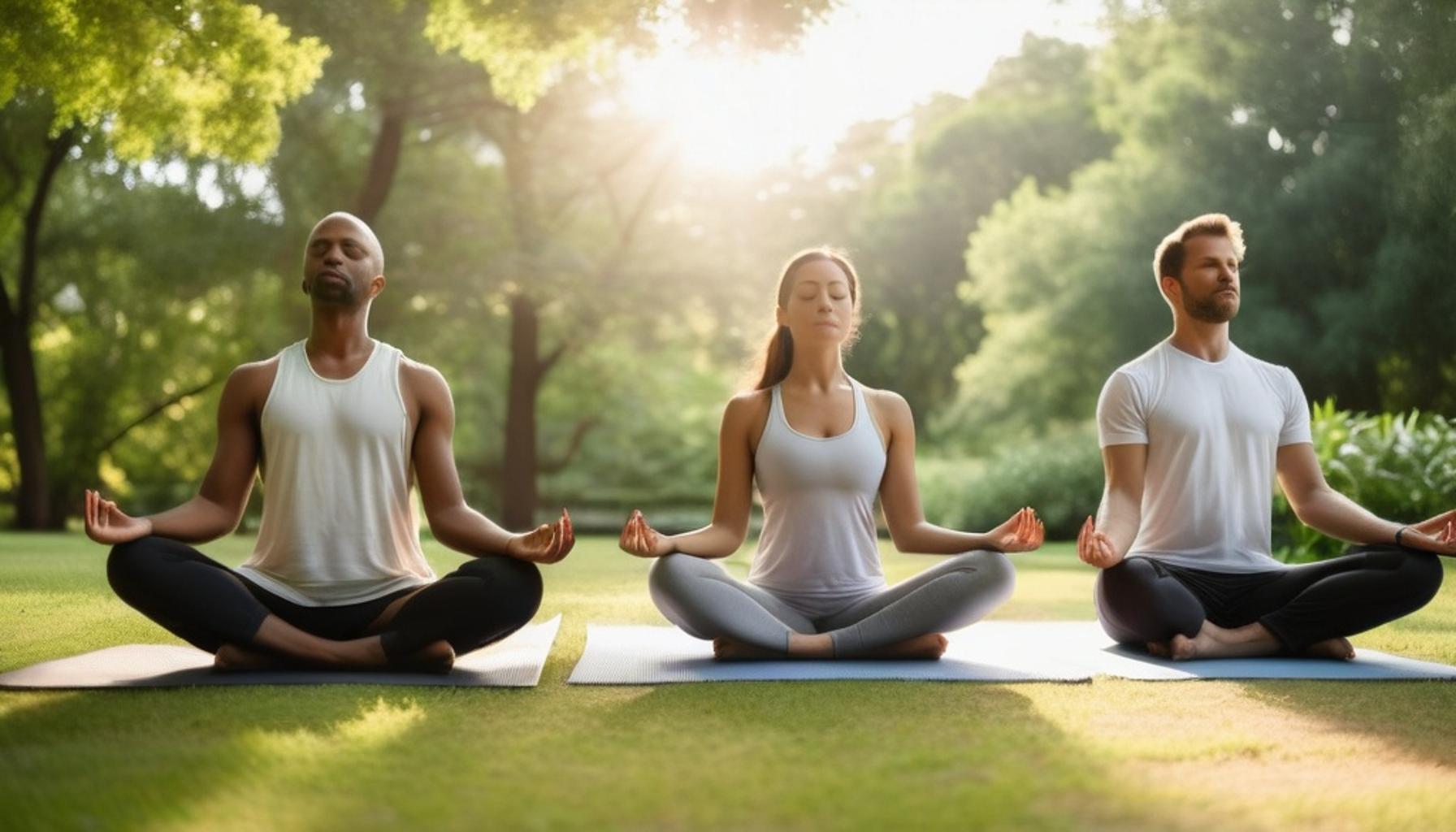
Mindfulness Techniques for Effective Stress Reduction
Why Your Racing Mind Needs a Reset
Nearly 77% of Americans report experiencing stress that affects their physical health, according to the American Psychological Association. Between work deadlines, family obligations, and constant digital notifications, the modern nervous system rarely gets a break. Picture the average commuter checking emails at a red light in Los Angeles, or a parent in Chicago juggling school pickups while fielding a work call—these small moments accumulate into chronic tension most people never fully notice. This is exactly where Mindfulness Techniques for Stress Reduction enter the picture.
Unlike quick fixes that mask symptoms, mindfulness targets the root cause: a mind stuck in overdrive. Research from Harvard Medical School shows that consistent practice can physically reshape brain regions linked to anxiety and emotional regulation, particularly the amygdala, which governs the body’s fight-or-flight response. Over an eight-week period, participants in several studies showed measurable shrinkage in this region, suggesting the brain itself becomes less reactive to everyday pressures.
What Makes Mindfulness Different
Understanding how mindfulness reduces stress starts with recognizing what it actually does to the body. It’s not about emptying the mind—it’s about training attention, much like a muscle that strengthens with repetition rather than force.
- Lowers cortisol, the primary stress hormone
- Slows heart rate and blood pressure
- Improves focus and decision-making under pressure
- Builds resilience against future stressors
These aren’t vague promises. They’re measurable outcomes documented across dozens of clinical studies, including trials published in journals like JAMA Internal Medicine, which found mindfulness-based programs comparable to certain medications for reducing anxiety symptoms.
What This Article Covers
This guide breaks down practical stress relief mindfulness exercises anyone can start today, regardless of schedule or experience level. From five-minute breathing resets between meetings to longer meditation sessions before bed, you’ll find options that fit real life—not an idealized version of it.
Expect actionable mindfulness meditation tips for stress, along with simple mindfulness activities for stress management designed for busy Americans juggling work, commutes, and family responsibilities. Whether it’s a mindful walk around the block during a lunch break or a body-scan exercise before a big presentation, these tools are built for real schedules, not retreats in the mountains.
The benefits of mindfulness for stress extend far beyond momentary calm—they compound over time, creating lasting change in how the brain and body respond to pressure. What starts as a few quiet minutes each day can gradually reshape how a person handles conflict, deadlines, and the unpredictable chaos of everyday American life.
LEARN MORE: The importance of meditation in stress management for a balanced life
The Breath as an Anchor: Starting With What’s Already There
Most people searching for Mindfulness Techniques for Stress Reduction assume they need special equipment, an app subscription, or a quiet retreat far from daily obligations. The truth is simpler and far more accessible: the breath is always available, and it’s the fastest entry point into a calmer nervous system.
Breathing exercises work because they directly influence the vagus nerve, which controls the body’s parasympathetic response—the “rest and digest” counterpart to fight-or-flight. A 2022 study from Stanford Medicine found that just five minutes of controlled breathing daily produced greater improvements in mood and reduced anxiety than an equivalent amount of mindfulness meditation alone, particularly a technique called cyclic sighing.
What makes this finding particularly compelling is how little it demands from an already overloaded schedule. Americans juggling commutes, childcare, and back-to-back meetings often dismiss wellness advice as unrealistic, yet breathwork sidesteps that objection entirely. There’s no commute to a studio, no monthly fee, and no learning curve steep enough to discourage a first attempt.
A Simple Practice for Real Schedules
One of the most practical stress relief mindfulness exercises is box breathing, used by everyone from Navy SEALs to ER nurses in Houston managing high-pressure shifts. It requires no app, no mat, and no more than a spare minute.
- Inhale slowly through the nose for four counts
- Hold the breath for four counts
- Exhale through the mouth for four counts
- Hold again for four counts before repeating
Repeating this cycle for two to three minutes can measurably lower heart rate. It’s the kind of tool that fits into a bathroom break during a hectic shift or a red light on the drive home. Flight attendants have reported using similar patterns before turbulence announcements, and customer service representatives in call centers across the Midwest have adopted it between back-to-back calls to reset their tone before the next conversation begins.
Why the Body Responds So Quickly
Understanding how mindfulness reduces stress at this level comes down to physiology, not philosophy. Slow, deliberate breathing signals safety to the brainstem, which then reduces the release of adrenaline and cortisol. This is why breathwork often produces results within minutes, unlike some interventions that take weeks to show effect.
Researchers at the University of California, Berkeley have noted that this rapid response makes breathing techniques especially useful in acute situations—job interviews, difficult phone calls, or moments before public speaking—where slower-acting strategies simply don’t have time to take hold. The immediacy is part of what makes it so appealing to skeptics who might otherwise dismiss mindfulness as vague or ineffective.
Clinicians increasingly recommend pairing breathing exercises with body awareness, creating a bridge toward deeper meditation practices. For someone new to the subject, this combination often serves as the most approachable of all mindfulness activities for stress management, requiring no prior experience and delivering noticeable results almost immediately.
Among the most useful mindfulness meditation tips for stress is this: consistency matters more than duration. Three minutes of focused breathing every day tends to outperform a single 30-minute session once a week, reinforcing the idea that mindfulness is less about grand gestures and more about small, repeated moments of attention. For anyone curious about where to begin, the next inhale is as good a starting point as any.
Key Mindfulness Techniques for Stress Reduction and Their Core Benefits
Understanding how mindfulness reduces stress starts with recognizing the specific practices that trigger the body’s relaxation response. Below is a quick-reference table summarizing essential stress relief mindfulness exercises and the practical benefits they deliver, giving you a clear starting point before diving deeper into each method.
| Technique | Primary Benefit |
|---|---|
| Body Scan Meditation | Releases muscle tension and boosts body awareness in under 10 minutes |
| Breath Focus Practice | Lowers cortisol levels and slows heart rate almost instantly |
| Mindful Walking | Combines movement with present-moment focus to ease anxiety |
| Loving-Kindness Meditation | Enhances emotional resilience and reduces negative self-talk |
These mindfulness activities for stress management are backed by clinical research showing measurable drops in cortisol and blood pressure within weeks of consistent practice, making them a practical entry point for anyone seeking sustainable relief.
LEARN MORE: Nutritional Strategies to Combat Stress and Enhance Well-being
Body Scanning and Sensory Grounding: Tuning Into What the Mind Skips Over
While breathwork calms the nervous system quickly, another category of mindfulness activities for stress management works at a slower pace but produces deeper, longer-lasting shifts. Body scanning asks practitioners to mentally travel through each region of the body, noticing tension without trying to fix it immediately.
Originally popularized by Jon Kabat-Zinn’s Mindfulness-Based Stress Reduction program at the University of Massachusetts Medical School, body scanning has since been studied extensively. A 2021 meta-analysis published in the journal Health Psychology Review found that participants who practiced body scanning for eight weeks reported a 32 percent reduction in perceived stress, alongside measurable drops in cortisol levels drawn from saliva samples.
What the Practice Actually Looks Like
There’s no need for special training to attempt a basic version. A typical session might unfold like this:
- Lie down or sit comfortably, closing the eyes if that feels natural
- Bring attention to the toes, noticing any sensation without judgment
- Slowly move attention upward through the legs, torso, arms, and head
- Pause at areas holding tension, such as the jaw or shoulders
- Finish by taking three deep breaths and slowly opening the eyes
This process typically takes ten to twenty minutes, making it less immediate than breathwork but far more thorough. Therapists in cities like Chicago and Denver have started incorporating body scans into trauma-informed care, noting that clients often discover physical tension they didn’t consciously realize they were carrying.
Sensory Grounding for Sudden Stress Spikes
A related technique, often called the 5-4-3-2-1 method, offers one of the more practical stress relief mindfulness exercises for moments when anxiety spikes unexpectedly, such as during a traffic jam or a tense family gathering.
The method asks a person to identify five things they can see, four they can touch, three they can hear, two they can smell, and one they can taste. This sequence pulls attention away from spiraling thoughts and back into the present moment, using the senses as an anchor rather than the breath alone.
Emergency room staff in Atlanta have reportedly used shortened versions of this technique between patient cases, finding it easier to reset mentally than attempting a full meditation session. It illustrates a broader truth about how mindfulness reduces stress: the nervous system responds to concrete, sensory input far more reliably than to abstract instructions like “just relax.”
Among the more overlooked mindfulness meditation tips for stress is the recommendation to combine grounding techniques with a specific location or trigger, such as practicing every time a person sits in their car before driving. This pairing builds a habit loop, making the practice automatic rather than something that requires willpower to remember. Over time, this kind of repetition is where the real benefits of mindfulness for stress begin to compound, turning a single technique into a durable, almost reflexive coping mechanism.
Bringing It All Together: Why Consistency Beats Perfection
Across breathwork, body scanning, and sensory grounding, one theme keeps surfacing: the nervous system responds best to practice, not theory. Mindfulness Techniques for Stress Reduction are not a single fix but a toolkit, and different situations call for different tools.
A commuter stuck on the 405 in Los Angeles might reach for the 5-4-3-2-1 method, while someone winding down after a long shift in a Boston hospital might prefer a slow body scan before bed. Neither approach is superior; they simply serve different moments of stress.
What the Research Keeps Confirming
The data reviewed throughout this piece, from cortisol reductions to measurable drops in perceived stress, points to a consistent pattern. Regular use of stress relief mindfulness exercises produces changes that are not just subjective but physiologically observable.
This matters for anyone skeptical about whether sitting quietly or scanning the body can genuinely compete with medication or therapy. It often cannot replace clinical treatment, but it frequently complements it, giving the nervous system a chance to practice regulation on its own terms.
Turning Insight Into Habit
Knowing how mindfulness reduces stress is only useful if the knowledge translates into action. The most effective mindfulness meditation tips for stress shared by therapists and researchers alike tend to emphasize repetition over intensity.
A few practical takeaways worth revisiting:
- Start with short sessions rather than aiming for perfection
- Pair techniques with daily triggers, like commutes or meals
- Track physical sensations, not just thoughts, during practice
Ultimately, the benefits of mindfulness for stress emerge less from any single session and more from the slow accumulation of small, deliberate pauses. For readers curious to go further, exploring guided programs like Kabat-Zinn’s MBSR curriculum offers a structured next step beyond these introductory mindfulness activities for stress management.
Frequently Asked Questions
How long does it take for mindfulness techniques to reduce stress?
Many people notice a calmer state of mind after just one 10-minute session, but consistent daily practice for 4 to 8 weeks is typically needed to see measurable changes in stress levels and cortisol response. Research on mindfulness-based stress reduction (MBSR) programs shows significant benefits after 8 weeks of regular practice. Starting with short 5-minute sessions and gradually increasing duration tends to produce the most sustainable results.
What is the best mindfulness technique for sudden or acute stress?
The 4-7-8 breathing method, where you inhale for 4 seconds, hold for 7, and exhale for 8, is highly effective for calming the nervous system in moments of acute stress. Grounding techniques like the 5-4-3-2-1 sensory exercise also work quickly by shifting attention away from anxious thoughts to the present environment. Both can be done discreetly at a desk, in a car, or before a stressful meeting.
Can mindfulness techniques help with chronic work-related stress?
Yes, practices like body scan meditation and mindful breathing breaks are particularly effective for chronic workplace stress because they help interrupt the ongoing stress response before it becomes overwhelming. Taking just 5 minutes every few hours to check in with your body and breath can lower baseline tension throughout the workday. Combining these with mindful walking during breaks further reduces cumulative stress buildup over weeks or months.
Do I need to meditate for a long time to see stress-reduction benefits?
No, studies show that even brief 5 to 10 minute mindfulness sessions practiced consistently can lower perceived stress and improve emotional regulation. Quality and regularity of practice matter more than duration, especially for beginners. Many effective techniques, like mindful breathing or a quick body scan, can be integrated into short daily breaks.
Are mindfulness apps as effective as in-person classes for stress reduction?
Mindfulness apps like Headspace or Calm can be just as effective as in-person classes for reducing everyday stress, particularly for beginners who need structured guidance and reminders. Research suggests app-based mindfulness programs produce comparable reductions in perceived stress and anxiety over 8-week periods. However, in-person classes may offer more personalized feedback, which can be helpful for those managing more severe or chronic stress conditions.

Linda Carter
Linda Carter is a writer specializing in healthy habits and balanced living. With extensive experience helping readers build sustainable routines, she shares practical guidance on nutrition, physical activity, quality sleep, stress management, and emotional well-being. Her goal is to offer simple, accessible strategies that inspire people to care for their health and enjoy a more balanced life.