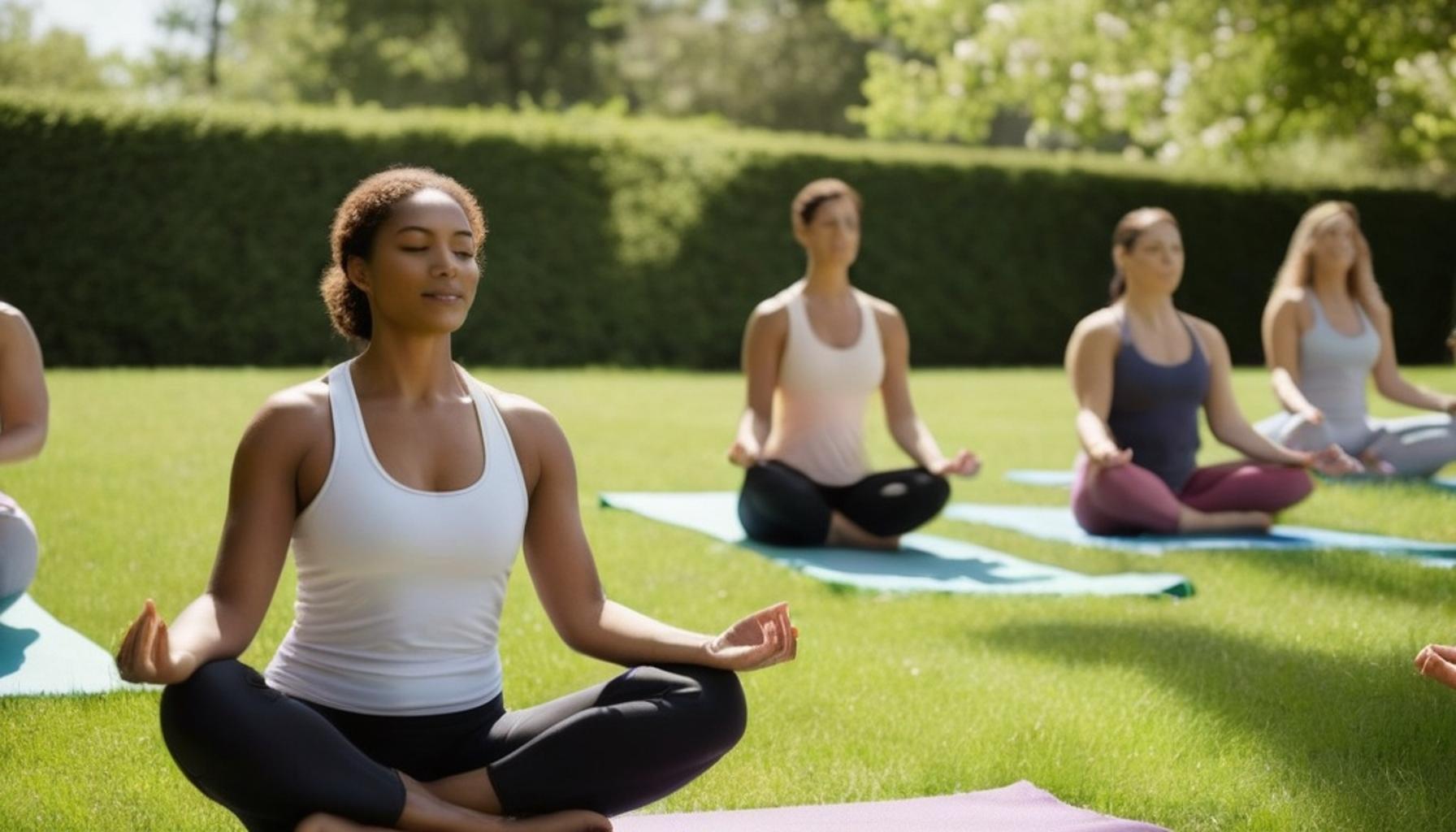
Mindfulness Strategies to Reduce Stress and Improve Mental Health
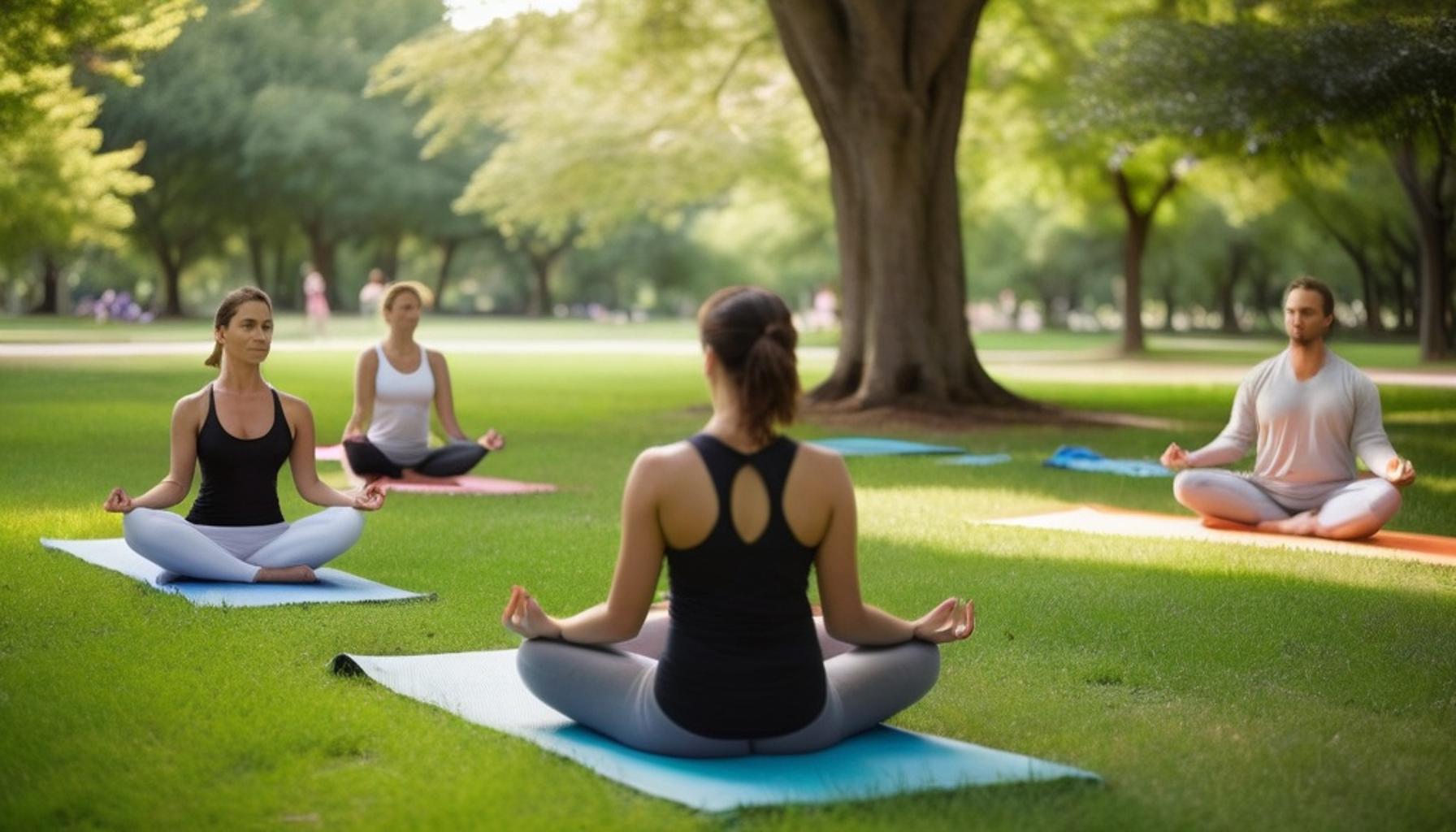
Why Mindfulness Is Becoming America’s Go-To Stress Solution
Nearly 77% of Americans report experiencing stress that affects their physical health, according to the American Psychological Association. From packed schedules in New York City to remote work burnout in Austin, stress has become a nationwide epidemic. Traffic jams in Los Angeles, tight deadlines in Chicago boardrooms, and the constant ping of notifications everywhere in between are quietly reshaping how the American brain functions on a daily basis.
Enter mindfulness strategies—a set of practical, science-backed techniques gaining traction across therapy offices, corporate wellness programs, and living rooms alike. These aren’t vague relaxation tips; they’re structured approaches with measurable results. Companies like Google and General Mills have already built mindfulness training into their employee wellness programs, citing improved focus and reduced sick days as direct outcomes.
What Makes Mindfulness Different
Unlike quick fixes, mindfulness targets the root of stress: how the mind processes pressure. Research from Harvard Medical School shows consistent practice can physically reshape brain regions linked to anxiety and emotional regulation. In one notable study, participants who practiced mindfulness meditation for just eight weeks showed measurable shrinkage in the amygdala, the brain’s primary stress-response center. That’s not a placebo effect—that’s neuroplasticity in action, and it’s part of why doctors and therapists across the country are recommending it alongside traditional treatment plans.
This article explores actionable reduce stress techniques anyone can start today, including:
- Breathing exercises designed for immediate calm during high-pressure moments, such as the 4-7-8 method used by emergency responders and public speakers alike
- Body scan meditations that identify and release physical tension, often recommended by physical therapists for chronic pain management
- Mindfulness exercises for stress that fit into a five-minute coffee break, perfect for office workers squeezed between back-to-back meetings
- Journaling prompts that improve emotional clarity, a technique increasingly used in college counseling centers nationwide
- Simple habit shifts backed by clinical studies, including digital detox windows shown to lower cortisol levels significantly
Beyond stress relief, the benefits of mindfulness extend further—better sleep, sharper focus, and stronger relationships are frequently reported outcomes. A 2022 study published in JAMA Internal Medicine found mindfulness-based stress reduction programs performed comparably to prescription medication for treating anxiety disorders, a finding that surprised even seasoned researchers.
Whether you’re a busy professional, a parent juggling multiple responsibilities, or simply someone seeking mental clarity, these stress reduction strategies offer a realistic starting point. No incense or hours of silence required—just practical tools that fit real American lifestyles, whether that means a quiet moment in a suburban kitchen or a subway ride in downtown Boston.
CHECK OUT: How Mindful Eating Can Improve Mental Health
# Breathing Techniques That Deliver Instant Calm
When stress hits during a tense client call in Manhattan or a chaotic school pickup line in Dallas, the body’s fight-or-flight response takes over before rational thought can intervene. This is where targeted mindfulness strategies prove their worth—not as abstract theory, but as immediate, physiological interventions that anyone can learn in a matter of minutes.
The 4-7-8 breathing method stands out among reduce stress techniques for its simplicity and speed. Developed by Dr. Andrew Weil and adopted by emergency responders nationwide, it works by activating the parasympathetic nervous system within seconds. Here’s how it functions:
- Inhale quietly through the nose for 4 seconds
- Hold that breath for a count of 7 seconds
- Exhale completely through the mouth for 8 seconds
- Repeat the cycle four times to notice a measurable shift in heart rate
Firefighters in Chicago and flight attendants managing turbulent passengers have quietly relied on similar breathwork for years. What’s changed is the science backing it up—research published in the Journal of Clinical Psychology confirms that controlled breathing lowers cortisol levels within minutes, making it one of the fastest mindfulness exercises for stress available without any equipment or app required.
What makes this technique particularly appealing is its discretion. A commuter stuck on a delayed subway platform in New York City can practice it without drawing attention, and a nurse on a chaotic hospital floor in Houston can slip into a supply closet for ninety seconds and return to the unit noticeably steadier. Unlike medication or long meditation retreats, the 4-7-8 method carries zero cost and zero side effects, which explains why wellness coaches from Los Angeles to Boston have folded it into corporate training sessions aimed at reducing burnout.
Body Scan Meditation for Physical Tension Release
Stress rarely stays confined to the mind. It settles into shoulders hunched over laptops in home offices, jaws clenched during rush-hour commutes on I-95, and lower backs strained from hours at a desk. Body scan meditation addresses this physical dimension directly, a technique frequently recommended by physical therapists treating chronic tension and pain.
The practice involves mentally scanning the body from head to toe, pausing at each region to notice sensation without judgment. Unlike stretching or massage, this method trains awareness—teaching practitioners to catch tension before it escalates into migraines or muscle spasms. A typical session takes between five and twenty minutes, making it adaptable for a lunch break or a wind-down routine before bed.
Clinical trials at institutions like the University of Massachusetts Medical School, home to the original Mindfulness-Based Stress Reduction (MBSR) program, have documented significant drops in reported pain intensity among participants practicing regular body scans. For anyone exploring improve mental health tips beyond talk therapy, this approach offers a tangible, low-cost starting point that requires nothing more than a quiet space and a few uninterrupted minutes.
Veterans returning from deployment and office workers alike have reported similar benefits, according to counselors at VA facilities in San Diego who have integrated body scan practices into trauma-informed care programs. The technique’s appeal lies partly in its lack of dogma; there is no religious framework attached, no special cushion required, and no subscription fee standing between a stressed individual and a calmer nervous system.
As interest in accessible mental health tools continues climbing across the country, both the 4-7-8 breathing method and body scan meditation illustrate a broader shift—away from viewing stress relief as a luxury and toward treating it as a practical, evidence-based skill available to anyone willing to pause, breathe, and pay attention.
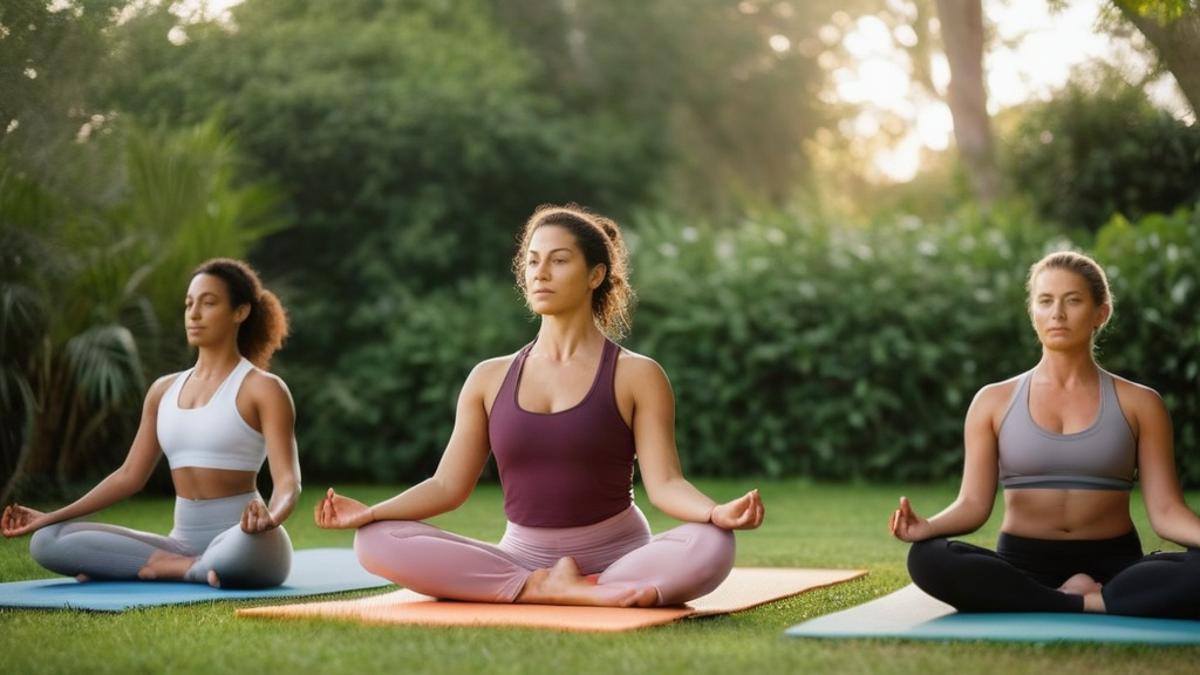
Mindfulness Strategies to Reduce Stress and Improve Mental Health: A Quick Overview
Before diving deeper into specific mindfulness exercises for stress, it helps to see the bigger picture. The table below summarizes core mindfulness strategies and their measurable impact on daily wellbeing, giving you a snapshot of what science-backed practice can achieve.
| Strategy | Impact on Mental Health |
|---|---|
| Breath Awareness | Lowers cortisol levels within minutes, a proven stress reduction strategy |
| Body Scan Meditation | Improves sleep quality and reduces muscle tension |
| Mindful Journaling | Boosts emotional regulation, one of the key benefits of mindfulness |
| Walking Meditation | Increases focus and offers practical improve mental health tips for busy schedules |
Each of these reduce stress techniques requires only minutes a day, yet studies show consistent practice can lower anxiety symptoms by up to 30 percent, making mindfulness one of the most accessible tools for lasting mental clarity.
CHECK OUT: The Role of Quality Sleep in Mental Health and Overall Well-Being
# Building Daily Habits That Rewire the Stressed Brain
While breathing exercises and body scans offer immediate relief, lasting change requires something more sustained. Neuroscientists at Harvard Medical School have documented measurable increases in gray matter density among individuals who practiced daily mindfulness strategies for just eight weeks. This finding reshaped how clinicians talk about stress reduction strategies, shifting the conversation from temporary coping to genuine brain restructuring.
A commuter in Seattle navigating rainy-day traffic or a teacher in Atlanta juggling thirty students both benefit from the same underlying principle: consistency matters more than duration. Five minutes practiced daily outperforms a single sixty-minute session squeezed in once a month. This principle challenges a common assumption—that meaningful change requires grand gestures or hours of free time that most working Americans simply do not have.
Behavioral scientists point to a concept called habit stacking, where a new mindfulness routine attaches itself to an existing daily action. Brushing teeth, waiting for coffee to brew, or sitting at a red light all become anchor points. This approach removes the burden of remembering to practice, embedding the exercise into a schedule that already exists rather than demanding an entirely new block of time.
Mindful Journaling and the Power of Written Reflection
Journaling has re-emerged as one of the most accessible mindfulness exercises for stress, particularly among therapists treating anxiety disorders in outpatient settings from Portland to Miami. The practice differs from typical diary writing by emphasizing present-moment observation rather than narrative storytelling.
A structured approach often includes:
- Recording three physical sensations noticed at the start of the entry
- Naming one emotion without attaching a lengthy explanation
- Listing a single intention for the next few hours
Research published by the American Psychological Association links this style of reflective writing to reduced rumination, a mental pattern strongly associated with depression and chronic anxiety. Unlike traditional talk therapy, journaling requires no appointment, no insurance copay, and no waiting list—an important factor given that many regions across the country still report therapist shortages.
Some clinicians have begun incorporating this method into group therapy sessions, asking patients to journal for sixty seconds before discussing their week. The brevity is intentional. Longer entries risk sliding back into storytelling, while short bursts keep attention anchored to the present rather than spiraling into past grievances or future worries.
Walking Meditation for the Perpetually Busy
Not everyone can sit still, and mindfulness does not demand stillness as a prerequisite. Walking meditation has gained traction among busy professionals in cities like Denver and Austin who fold the practice into their existing commute rather than carving out separate time.
The method involves synchronizing attention with each step, noticing the contact of foot against pavement, the rhythm of breath, and the surrounding environment without judgment. Unlike casual walking, this practice demands full sensory engagement, transforming an ordinary activity into a genuine stress-relief session.
Public health researchers at UCLA have noted that outdoor walking meditation delivers compounded benefits, combining the known mood-boosting effects of nature exposure with the nervous system regulation associated with mindfulness. Participants in their studies reported lower anxiety scores after just ten minutes outdoors compared to indoor equivalents. Even a walk through a parking lot or a stretch of urban sidewalk, researchers noted, produced measurable improvements when attention remained deliberately present.
Digital Tools Supporting Consistent Practice
Smartphone applications have democratized access to guided practice, with platforms reporting millions of downloads across the United States. While skeptics question whether an app can replicate the depth of traditional instruction, data from user engagement studies suggests otherwise—consistent short sessions, even guided through a screen, correlate with measurable mental health improvements over time.
Employers have taken note as well. A growing number of companies, particularly in tech hubs like San Francisco and Raleigh, now offer subscription-based mindfulness apps as part of employee wellness packages. This corporate embrace signals a shift from viewing mindfulness as a niche wellness trend toward recognizing it as a legitimate tool for reducing workplace burnout and absenteeism.
The broader takeaway among wellness researchers remains consistent: the benefits of mindfulness compound with repetition, transforming isolated techniques into a durable mental health strategy accessible to nearly anyone, regardless of schedule, income, or geographic location.
LEARN MORE: The importance of mindfulness and meditation for daily mental well-being
Final Thoughts: Making Mindfulness a Lifelong Practice
From gray matter changes documented at Harvard to the quiet discipline of walking meditation on an Austin sidewalk, the evidence points in one clear direction. Mindfulness strategies are not a fleeting wellness trend but a scientifically supported approach to rewiring how the brain responds to pressure.
What separates lasting results from temporary relief is repetition. A commuter practicing breathwork at a red light, a nurse journaling for sixty seconds between shifts, or an office worker in Raleigh opening a meditation app during lunch—each represents the same underlying truth: small, consistent actions outperform occasional grand efforts.
The broader value of these reduce stress techniques lies in their accessibility. No specialized equipment, expensive membership, or extensive time commitment is required. This matters significantly in a country where therapist shortages and rising healthcare costs leave many searching for practical, self-directed solutions.
Readers exploring improve mental health tips should recognize that no single method works universally. Some individuals respond better to structured journaling, while others find greater relief in movement-based practices like walking meditation. Experimentation, rather than rigid adherence to one technique, often produces the best long-term outcomes.
The benefits of mindfulness extend beyond individual relief, influencing workplace culture, healthcare approaches, and even urban planning as cities invest in green spaces designed for outdoor reflection. This ripple effect suggests the conversation around mental wellness is shifting from private struggle to public priority.
As research continues to expand, one message remains constant: the most effective stress reduction strategies are the ones practiced consistently, not perfectly. Anyone willing to start small, stay curious, and remain patient with the process stands to gain measurable, lasting benefits—regardless of where they live or how packed their schedule may be.
Frequently Asked Questions
What are the most effective mindfulness strategies for beginners dealing with daily stress?
Start with simple techniques like deep breathing exercises, body scans, and five-minute guided meditations. These mindfulness strategies require no special equipment and can be practiced anywhere, making them ideal for people new to the practice. Consistency matters more than duration, so even short daily sessions can produce noticeable stress relief within a few weeks.
How long does it take for mindfulness strategies to show improvement in mental health?
Many people notice reduced anxiety and improved mood within two to four weeks of consistent daily practice, typically 10-15 minutes per session. Research shows measurable changes in brain regions related to stress and emotional regulation after eight weeks of regular mindfulness practice. Results vary based on individual consistency, so patience and routine are key.
Can mindfulness strategies replace therapy or medication for anxiety and depression?
Mindfulness strategies are a helpful complementary tool but are not a substitute for professional treatment when dealing with clinical anxiety or depression. They work best alongside therapy, medication, or other treatments prescribed by a mental health professional. Always consult a doctor or therapist before making changes to your treatment plan.
What is the difference between mindfulness meditation and other relaxation techniques?
Mindfulness meditation focuses on nonjudgmental awareness of the present moment, including thoughts, feelings, and bodily sensations as they arise. Unlike relaxation techniques that aim to induce calm, mindfulness emphasizes acceptance and observation without trying to change the experience. This distinction makes mindfulness strategies particularly effective for long-term emotional resilience rather than just momentary relaxation.
How can I practice mindfulness strategies at work without disrupting my schedule?
Try micro-practices like mindful breathing during transitions between meetings, a brief body scan before responding to stressful emails, or eating lunch without screens to practice mindful eating. Setting phone reminders for one-minute mindfulness breaks throughout the day can also help maintain focus and reduce workplace stress. These small strategies fit easily into busy schedules without requiring extra time.
Are there specific mindfulness strategies recommended for managing chronic stress versus occasional stress?
For chronic stress, structured programs like Mindfulness-Based Stress Reduction (MBSR) offer comprehensive eight-week courses combining meditation, body awareness, and gentle movement. Occasional stress often responds well to quick techniques such as the 4-7-8 breathing method or a short walking meditation. Tailoring the strategy to the type and frequency of stress you experience leads to better long-term results.

Linda Carter
Linda Carter is a writer specializing in healthy habits and balanced living. With extensive experience helping readers build sustainable routines, she shares practical guidance on nutrition, physical activity, quality sleep, stress management, and emotional well-being. Her goal is to offer simple, accessible strategies that inspire people to care for their health and enjoy a more balanced life.