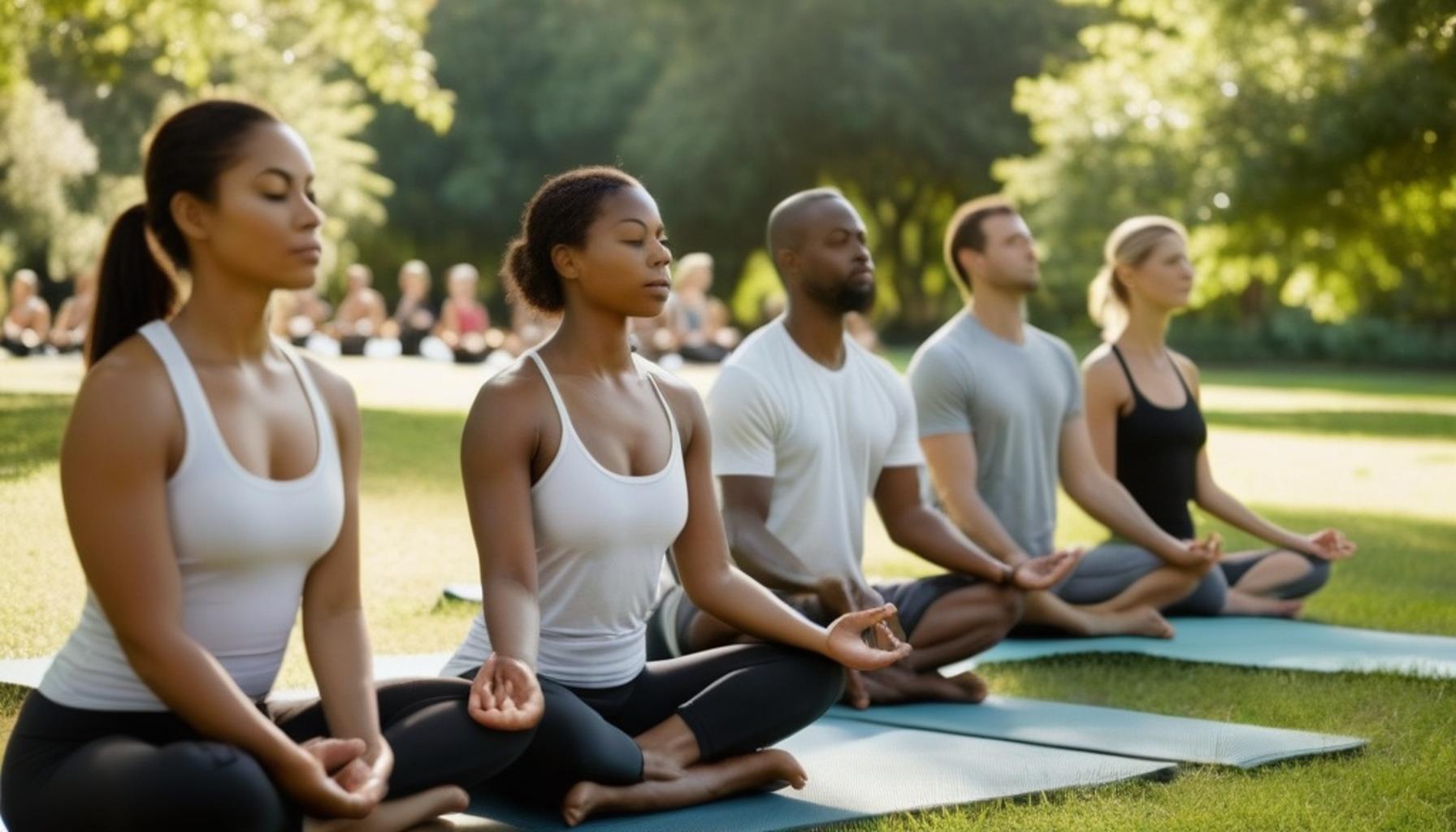
Physical Exercises as a Tool to Reduce Stress
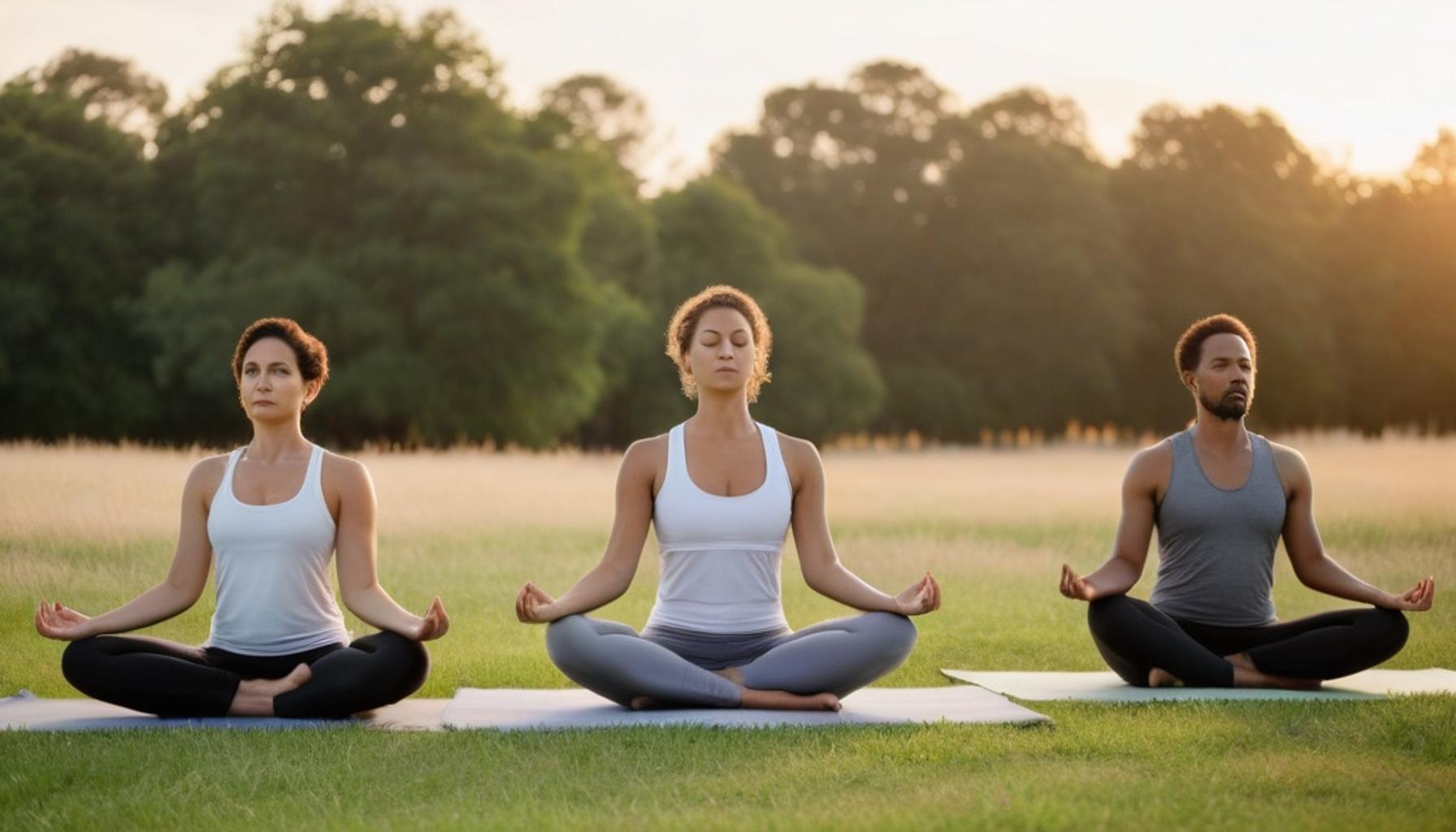
Why Movement Matters More Than Ever
Nearly 77% of Americans report experiencing stress that affects their physical health, according to the American Institute of Stress. Yet one of the most effective remedies is often overlooked: physical exercises to reduce stress.
From boardrooms in New York to gyms in Los Angeles, more people are discovering that movement can be as powerful as medication for calming the mind. Fitness trainers and healthcare professionals alike are beginning to prescribe activity not just for physical health, but as a frontline defense against chronic tension. In cities where the pace of life rarely slows down, this shift is becoming impossible to ignore.
The Science Behind Sweat and Serenity
When you exercise, your brain releases endorphins, dopamine, and serotonin—natural chemicals that boost mood and ease tension. This biological response is at the core of the benefits of exercise for stress relief. Researchers at institutions like Harvard Medical School have found that even a brisk twenty-minute walk can measurably lower anxiety levels within hours.
Understanding how exercise helps with anxiety reveals a simple truth: consistent movement can reduce cortisol levels, the hormone responsible for that overwhelmed feeling. Over time, regular physical activity appears to recalibrate the nervous system, making individuals more resilient to everyday stressors, from traffic jams in Atlanta to tight deadlines in Seattle.
What This Article Will Cover
This guide explores practical, science-backed strategies for using physical activity as a stress management tool. Expect real examples, actionable routines, and expert-backed insights drawn from both clinical research and everyday experience across the country.
- The best workouts for stress reduction, from cardio to strength training
- How yoga and stress reduction techniques work together
- Mindful exercises for stress relief you can start today
- Simple routines that fit into a busy American lifestyle
Whether you’re a busy professional in Chicago or a parent juggling responsibilities in Texas, there’s a workout style suited to your needs. Some may find relief in the rhythmic intensity of running along a local trail, while others discover calm through slow, deliberate stretching at home. The variety of options means that stress relief through movement isn’t a one-size-fits-all solution—it’s a flexible toolkit anyone can adapt to their own schedule and preferences.
As more Americans search for sustainable ways to manage daily pressures, the conversation around exercise is shifting from aesthetics to mental well-being. Let’s uncover how movement can become your most reliable stress-relief tool, and why science increasingly supports what many active individuals have long suspected.
YOU MAY ALSO LIKE: The importance of meditation in stress management for a balanced life
# From the Gym Floor to the Boardroom: Exercise as Medicine
Walk into any CrossFit box in Denver or a quiet yoga studio in Portland, and you’ll find the same underlying motivation driving people through their workouts: the desperate need to decompress. Physical exercises to reduce stress have moved from niche wellness advice to mainstream medical recommendation, and the shift didn’t happen by accident.
The Cortisol Connection Nobody Talks About
Most people know exercise burns calories. Fewer realize it’s simultaneously rewiring how the body handles pressure. When cortisol—the primary stress hormone—stays elevated for too long, it contributes to everything from weight gain around the midsection to disrupted sleep patterns and weakened immunity.
A 2019 study published in Frontiers in Psychology found that participants who engaged in moderate aerobic activity three times weekly showed significantly lower baseline cortisol levels after just six weeks. That’s a remarkably short window for such measurable change.
This is where the benefits of exercise for stress relief become impossible to dismiss. It’s not simply about feeling better in the moment; it’s about training the body to respond to stress more efficiently over time. Researchers have noted that this effect compounds with consistency, meaning someone who sticks with a modest routine for several months often reports a noticeably calmer baseline than they had before starting.
Corporate wellness programs have taken notice. Companies from Seattle to Atlanta are now subsidizing gym memberships and building on-site fitness rooms, not out of generosity, but because the return on investment shows up in reduced sick days and fewer burnout-related resignations. The boardroom has quietly become one of the biggest beneficiaries of what happens on the gym floor.
Anxiety, Interrupted
For the millions of Americans managing anxiety disorders, medication isn’t always the only answer—or even the preferred one. Understanding how exercise helps with anxiety starts with recognizing what happens in the brain during physical exertion.
Exercise increases blood flow to regions responsible for regulating fear and worry, particularly the prefrontal cortex. Simultaneously, it interrupts the mental loop of rumination that often fuels anxious thinking. Someone stewing over a work email in Phoenix might find that a fifteen-minute jog does more to quiet those thoughts than an hour of overthinking ever could.
The Anxiety and Depression Association of America has pointed to consistent movement as one of the few interventions that produces near-immediate relief alongside long-term structural changes in the brain. That combination—instant gratification paired with lasting benefit—is rare in the world of mental health treatment, which makes exercise something of an outlier worth paying closer attention to.
Several factors make this connection particularly compelling for everyday life:
- Exercise provides an immediate physical outlet for the “fight or flight” response triggered by stress
- Regular movement improves sleep quality, which directly reduces next-day anxiety levels
- Group fitness classes add a social component, combating the isolation that often worsens stress
- Outdoor activities combine physical benefits with exposure to natural light and green space
None of this requires elite athletic ability. A grandmother power-walking through a park in Cincinnati is activating the same stress-reducing mechanisms as a marathon runner in Boston. The dosage matters more than the intensity, and that’s genuinely good news for anyone intimidated by the idea of “working out” in the traditional sense.
Finding What Actually Sticks
Perhaps the most underreported piece of this entire conversation is adherence. Plenty of people know exercise helps, yet struggle to maintain any kind of routine once life gets busy. Experts increasingly suggest that the best stress-relief workout is simply the one a person will actually repeat, whether that’s swimming laps in a Miami community pool or hiking foothill trails outside Salt Lake City.
What starts as a simple attempt to manage tension often evolves into something far more valuable: a sustainable habit that reshapes how an entire life feels, one rep, one walk, one deep breath at a time.
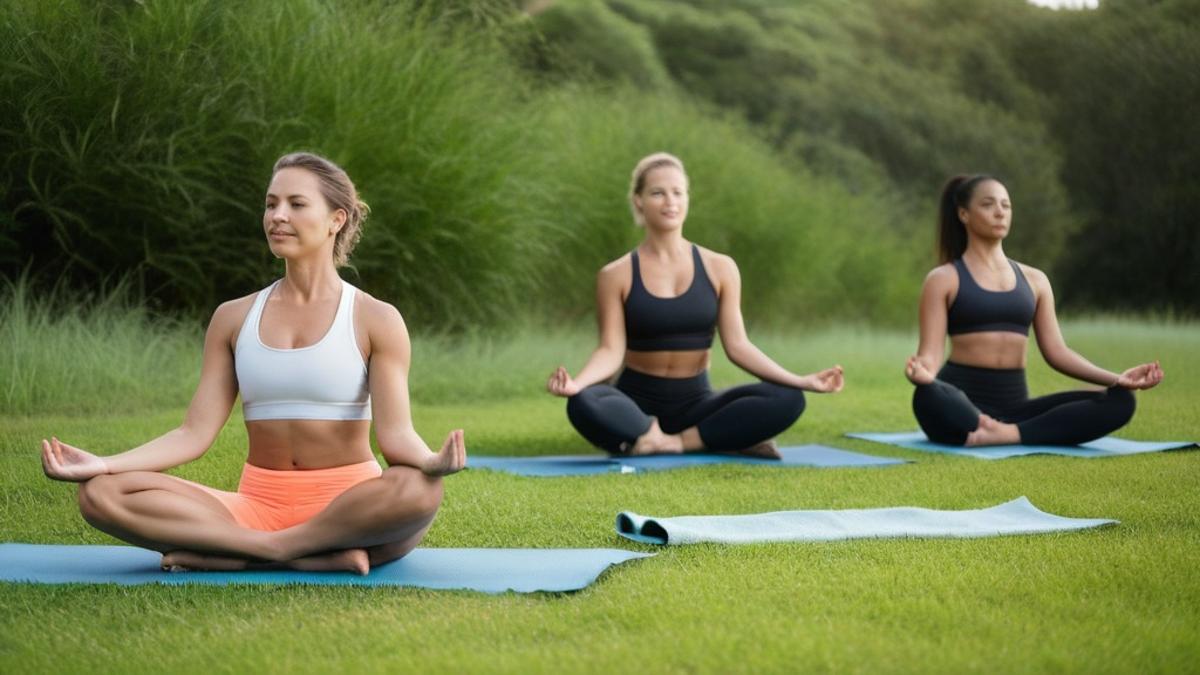
Key Aspects of Physical Exercises to Reduce Stress
Scientific research consistently confirms that physical exercises to reduce stress trigger measurable biochemical changes in the body. Understanding which exercise types deliver the strongest results can help you choose a routine that fits your lifestyle and stress levels.
| Category | Impact on Stress Relief |
|---|---|
| Aerobic Exercise | Boosts endorphin release, lowering cortisol within 20-30 minutes |
| Yoga and Stress Reduction | Combines breathing and movement to calm the nervous system |
| Mindful Exercises | Improves focus, reducing anxious thought patterns |
| Strength Training | Builds resilience and enhances sleep quality |
| Frequency | 150 minutes weekly recommended for optimal anxiety relief |
These categories highlight how how exercise helps with anxiety extends beyond simple calorie burning, offering diverse pathways to mental balance.
CHECK OUT: Nutritional Strategies to Combat Stress and Enhance Well-being
Choosing Your Weapon: Which Workouts Actually Move the Needle
Not all sweat sessions are created equal when it comes to calming a frazzled nervous system. Researchers studying best workouts for stress reduction have found that different exercise types trigger distinct physiological responses, meaning the “right” choice often depends on what a person’s stress actually looks like.
High-intensity interval training, popular in gyms from Chicago to Austin, works by giving anxious energy somewhere productive to go. The short, explosive bursts followed by recovery periods mirror the body’s natural stress cycle, essentially teaching the nervous system how to ramp up and then, critically, how to come back down.
Endurance-based activities tell a different story. Long-distance running or cycling floods the bloodstream with endorphins over an extended period, producing that familiar “runner’s high” that many describe as a natural antidepressant. A 2020 meta-analysis in the Journal of Clinical Psychiatry noted that endurance athletes reported anxiety symptom reductions comparable to those seen with low-dose SSRIs, though researchers were careful to note exercise works best as a complement to treatment, not a replacement.
Yoga and Stress Reduction: The Science Behind the Stretch
Few practices have earned as much scientific scrutiny as yoga, and the research largely backs up what practitioners in studios from Santa Fe to Brooklyn have claimed for years. Yoga and stress reduction are linked through a mechanism called vagal tone, referring to how effectively the vagus nerve regulates the body’s relaxation response.
Studies using heart rate variability as a measurement have shown that consistent yoga practice improves this vagal tone, essentially giving the body a more responsive “off switch” for stress. Unlike a sprint or a spin class, yoga achieves this through controlled breathing paired with sustained, gentle movement rather than cardiovascular exertion.
This overlaps closely with what wellness professionals now call mindful exercises for stress relief: activities that combine physical movement with intentional awareness of breath and body. Tai chi, Pilates, and even slow-paced nature walks fall into this category, all sharing the common trait of anchoring attention to the present moment instead of the swirling to-do list in someone’s head.
A few specifics worth noting for anyone building a routine:
- Just 20 minutes of yoga three times weekly has been linked to measurable drops in perceived stress scores within eight weeks
- Breath-focused practices activate the parasympathetic nervous system faster than most cardio-based workouts
- Combining strength training with mindfulness cues, like focusing on muscle engagement, amplifies stress-relief benefits beyond either practice alone
- Morning workouts tend to blunt cortisol spikes more effectively than evening sessions for most people
What emerges from all this data isn’t a single winning formula but a menu of options. Someone dealing with restless, jittery anxiety might find more relief in a rowing machine at a Minneapolis gym, while someone carrying chronic tension in their shoulders might respond better to a slow vinyasa flow. The underlying science supports both paths, which is exactly why exercise remains one of the most flexible tools available for managing modern stress.
YOU MAY ALSO LIKE: Mindfulness Techniques for Effective Stress Reduction
The Takeaway: Movement as Medicine for a Stressed-Out Nation
From treadmills in Seattle gyms to quiet yoga mats in Miami living rooms, the evidence keeps pointing to the same conclusion. Physical exercises to reduce stress aren’t a wellness trend or a nice-to-have habit; they’re a scientifically validated intervention with measurable effects on cortisol levels, heart rate variability, and mood regulation.
What makes this particularly compelling is the sheer range of options available. Someone doesn’t need a marathon training plan or an expensive studio membership to see results. A brisk 20-minute walk, a few rounds of interval sprints, or a short breathing-focused yoga flow can all trigger the physiological shifts that calm an overactive nervous system.
Understanding how exercise helps with anxiety also reframes the conversation around mental health care. Movement won’t replace therapy or medication for everyone, but it offers a low-cost, accessible tool that works alongside clinical treatment, often amplifying its effects.
The real insight from recent research is personalization. The benefits of exercise for stress relief depend heavily on matching the activity to the type of stress someone experiences, whether that’s restless energy needing an outlet or chronic tension needing release through slower, mindful movement.
A few final points worth remembering:
- Consistency matters more than intensity; three moderate sessions weekly outperform sporadic extreme workouts
- Pairing physical activity with breathwork or mindfulness deepens stress-reduction benefits
- Tracking personal stress responses to different workouts helps identify what actually works for each individual
As stress-related health concerns continue rising across the United States, exercise remains one of the most underused, evidence-backed solutions sitting right in front of us, often requiring nothing more than a pair of sneakers and twenty minutes of intention.
Frequently Asked Questions
What are the best physical exercises to reduce stress quickly?
Brisk walking, jogging, cycling, and yoga are among the most effective physical exercises to reduce stress quickly because they boost endorphin release within minutes. Even a 10 to 15 minute session can noticeably calm your nervous system. Combining movement with deep breathing, like in yoga or tai chi, enhances the calming effect even further.
How long should I exercise daily to see stress relief benefits?
Most experts recommend at least 20 to 30 minutes of moderate exercise, such as brisk walking or swimming, five days a week to notice consistent stress relief. Even shorter 10 minute bursts of activity throughout the day can lower cortisol levels and improve mood. Consistency matters more than intensity when using physical exercises to reduce stress.
Can strength training help reduce stress as much as cardio?
Yes, strength training triggers endorphin release and improves sleep quality, making it a powerful stress-reducing exercise alongside cardio. Lifting weights also builds confidence and provides a mental outlet for tension, similar to running or cycling. Many people find combining both cardio and strength training offers the most balanced stress relief.
Is yoga more effective than running for managing anxiety and stress?
Yoga is particularly effective for anxiety because it combines physical movement with controlled breathing and mindfulness, directly calming the nervous system. Running, on the other hand, releases endorphins and provides a strong cardiovascular stress-relief effect through exertion. Neither is universally better, so choosing between them depends on whether you need calming focus or an energy outlet.
What time of day is best to exercise for reducing stress and improving sleep?
Morning workouts often help regulate cortisol levels early, setting a calmer tone for the rest of the day. However, evening exercise, especially gentle activities like stretching or yoga, can relieve accumulated daily stress and improve sleep quality. The best time ultimately depends on your schedule and how your body responds to activity before bedtime.
Can I use physical exercises to reduce stress if I have a busy schedule and no gym access?
Absolutely, bodyweight exercises like squats, push-ups, and stretching routines can be done at home in just 10 to 15 minutes with no equipment. Walking during phone calls or taking the stairs are simple ways to incorporate movement into a busy day. Short, consistent bursts of activity are still effective physical exercises to reduce stress, even without a gym membership.

Linda Carter
Linda Carter is a writer specializing in healthy habits and balanced living. With extensive experience helping readers build sustainable routines, she shares practical guidance on nutrition, physical activity, quality sleep, stress management, and emotional well-being. Her goal is to offer simple, accessible strategies that inspire people to care for their health and enjoy a more balanced life.