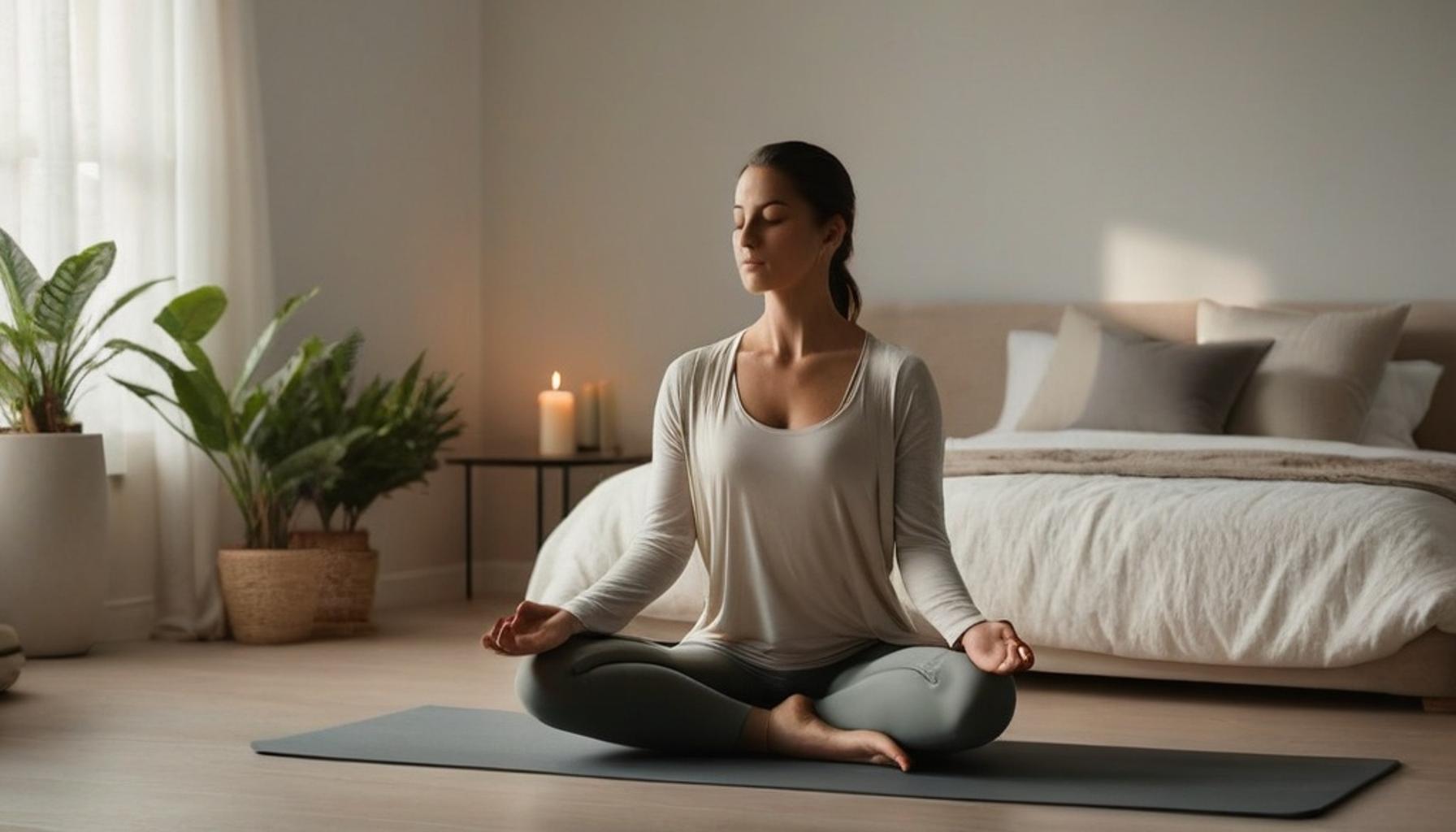
Creating a Sleep-Inducing Environment: Tips for Better Sleep Hygiene
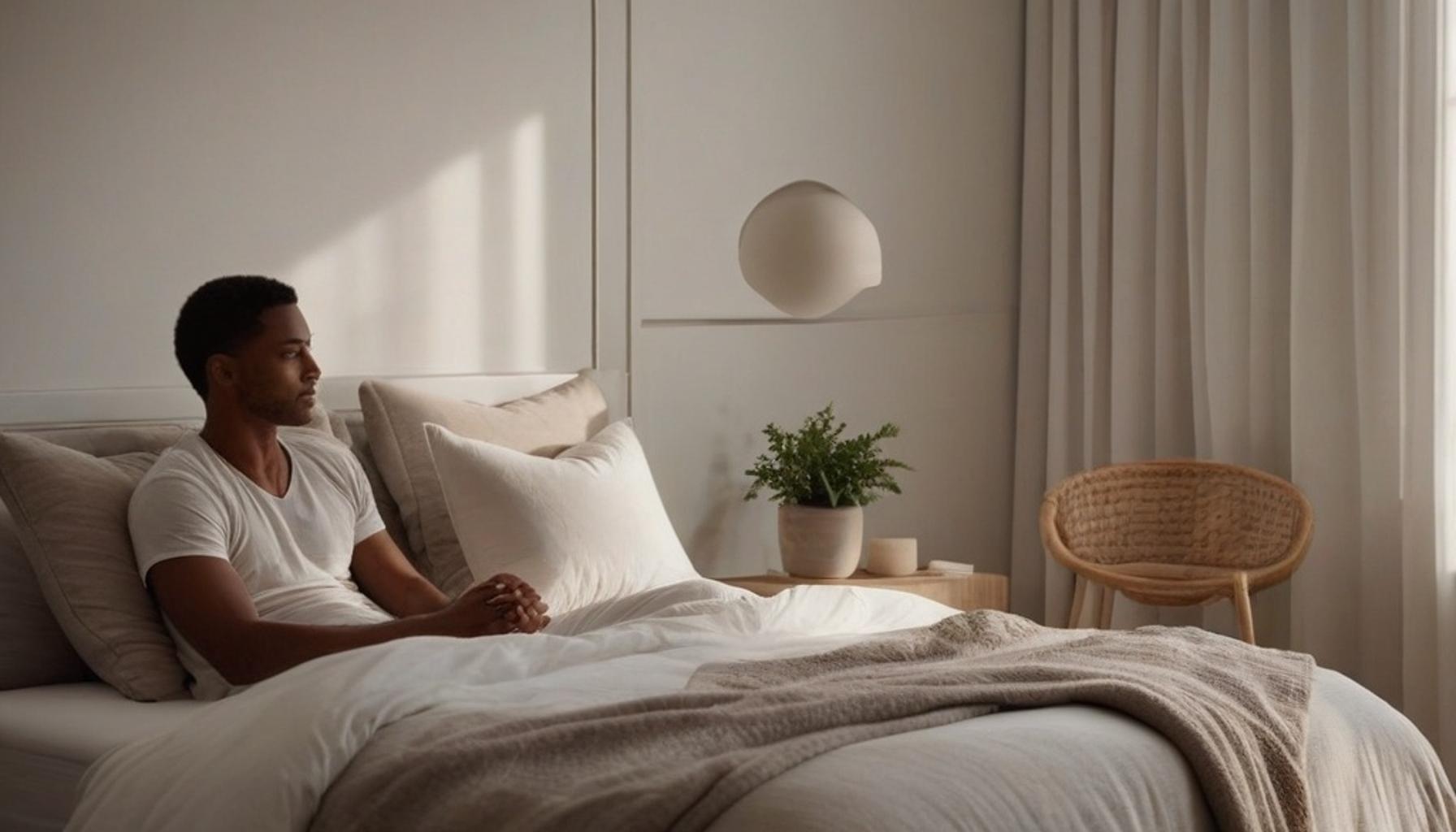
Why Your Bedroom Could Be Sabotaging Your Sleep
Nearly 35% of American adults report getting less than the recommended seven hours of sleep each night, according to the CDC. Before reaching for another cup of coffee or a sleep aid, consider a surprising culprit: your bedroom itself.
Creating a true Sleep-Inducing Environment isn’t about luxury upgrades or expensive gadgets. It’s about strategic, science-backed adjustments that signal to your brain it’s time to wind down. Researchers at institutions like the National Sleep Foundation have spent decades studying how ambient conditions—light, sound, temperature, and even scent—directly influence the body’s circadian rhythm. The takeaway is clear: your surroundings matter just as much as your bedtime routine.
What Disrupts Sleep Without You Noticing
Many everyday habits quietly interfere with rest, often without homeowners realizing it. A bedroom that seems perfectly fine at first glance may actually be working against you. Common offenders include:
- Bedroom temperatures above 70°F, which can prevent the body’s natural cooling process
- Blue light exposure from phones and tablets within an hour of bedtime
- Inconsistent darkness levels, from streetlights to standby LEDs on chargers and smoke detectors
- Cluttered spaces that unconsciously trigger stress responses
- Old mattresses and pillows that no longer provide adequate support
- Background noise from HVAC systems, traffic, or neighbors that fragments sleep cycles
These factors compound over time, making it harder to fall—and stay—asleep. In fact, sleep specialists note that even minor irritants, like a faint glow from a router or a mattress past its prime, can reduce deep sleep stages by a measurable margin, leaving you groggy despite spending eight hours in bed.
Small Changes, Measurable Results
The good news? Simple better sleep hygiene tips can dramatically improve rest quality within days, not months. This guide breaks down practical sleep environment tips that address lighting, temperature, sound, and layout—giving you a room-by-room framework you can implement this weekend.
From calming bedroom ideas to specific product recommendations, you’ll discover how to create a relaxing sleep space tailored to your needs, budget, and lifestyle. Whether you’re renting a small apartment in Chicago or settling into a suburban home in Texas, these adjustments scale to fit almost any space. Ready to improve sleep quality starting tonight? Let’s explore what actually works.
CHECK OUT: Relaxation Strategies to Promote Restorative Sleep
# Mastering Temperature and Light: The Foundation of a Sleep-Inducing EnvironmentBefore diving into decor or gadgets, two factors deserve immediate attention: temperature and light. These elements form the backbone of any successful Sleep-Inducing Environment, and getting them right can produce noticeable results within a single night.## The Ideal Sleep Temperature Isn’t What You ThinkMost Americans keep their thermostats set for daytime comfort, not nighttime physiology. Sleep researchers consistently point to 65°F to 68°F as the optimal range for quality rest, a temperature that feels almost chilly to many households.This isn’t arbitrary. As bedtime approaches, your core body temperature naturally drops as part of the circadian rhythm—a signal that tells your brain it’s time to produce melatonin. A room that’s too warm interferes with this process, leading to restless tossing and fragmented sleep cycles.Practical adjustments include:
- Setting programmable thermostats to lower automatically 1-2 hours before bedtime
- Using moisture-wicking sheets in warmer climates like Florida or Arizona
- Layering blankets instead of relying solely on heating systems in colder regions
- Running ceiling fans on low speed to maintain airflow without overcooling
Even a two-degree adjustment can make a measurable difference, according to sleep hygiene studies published by the Sleep Foundation.## Light Exposure: The Silent Sleep DisruptorDarkness triggers melatonin production, yet modern bedrooms are rarely as dark as they should be. Streetlights filtering through thin curtains, standby lights on electronics, and even digital clock displays can suppress this critical hormone.To improve sleep quality, consider blackout curtains as a non-negotiable investment. Unlike standard drapes, these block over 99% of external light, creating consistent darkness regardless of streetlamps or early sunrises—particularly useful during summer months in northern states like Minnesota or Washington.Blue light deserves special mention. Smartphones, tablets, and televisions emit wavelengths that mimic daylight, delaying melatonin release by up to two hours according to Harvard sleep researchers. Simple better sleep hygiene tips include:
- Switching devices to night mode after sunset
- Using amber or red-toned nightlights instead of white LED options
- Covering or removing unnecessary standby lights from chargers and routers
- Establishing a 30-60 minute screen-free buffer before bed
These adjustments cost little to nothing yet directly address two of the most common barriers preventing deep, restorative sleep.

SEE ALSO: Foods and Drinks that Affect Sleep Quality: What to Avoid Before Sleeping
Sound, Scent, and Texture: Layering Sensory Cues for Deeper Rest
Once temperature and light are dialed in, the next layer of a Sleep-Inducing Environment involves senses people often overlook: hearing, smell, and touch. These elements work quietly in the background, but their impact on sleep architecture is well-documented.
Why Noise Control Changes Everything
Sudden noises—a passing car, a neighbor’s dog, an HVAC system kicking on—can trigger micro-awakenings without a person ever fully waking up. Over time, these disruptions fragment sleep cycles and reduce the amount of restorative deep sleep achieved each night.
White noise machines, box fans, or apps that generate steady, low-frequency sound mask these unpredictable disturbances. Research from Brown University suggests consistent background noise can help mask disruptive sounds and support more continuous sleep, especially in urban environments like Chicago or New York City, where traffic noise rarely stops.
- Placing a white noise machine near the bedroom door to buffer hallway sounds
- Using earplugs rated for sleep (not just industrial use) for light sleepers
- Weatherstripping windows to reduce street noise in older homes
- Choosing rugs or carpet to absorb footstep sound in multi-level households
Aromatherapy and the Science of Calming Scents
Scent is directly wired to the brain’s limbic system, which governs emotion and memory—making it a surprisingly powerful tool for calming bedroom ideas. Lavender, in particular, has been studied for its mild sedative properties, with some clinical trials showing improved sleep quality after inhaling lavender essential oil before bedtime.
Other scents worth exploring include chamomile, cedarwood, and bergamot. A few practical approaches:
- Using a diffuser on a timer set to shut off after 30 minutes
- Spritzing diluted lavender mist on pillowcases
- Avoiding heavily fragranced candles with synthetic additives, which can irritate airways
Textiles and Materials That Signal Rest
The fabrics surrounding a sleeper matter more than most realize. Breathable materials like cotton, linen, and bamboo regulate temperature naturally, while synthetic blends often trap heat and moisture.
To create a relaxing sleep space, consider mattress and pillow materials that align with personal temperature preferences—memory foam retains heat, while latex and hybrid designs tend to sleep cooler. Weighted blankets, meanwhile, have gained traction for their ability to apply gentle, even pressure, which some studies link to reduced cortisol levels and increased feelings of calm.
These sleep environment tips may seem minor individually, but combined, they create a multisensory atmosphere that consistently signals the body: it’s time to power down.
Building a Bedroom That Works While You Sleep
A truly restful night rarely comes down to one single fix. It’s the accumulation of small, deliberate choices—temperature, light, sound, scent, and texture—that transforms an ordinary bedroom into a genuine Sleep-Inducing Environment. Each element reinforces the others, sending the brain repeated signals that it’s safe to power down.
What makes this approach effective is its flexibility. Not every household in Phoenix faces the same challenges as one in Seattle, and a light sleeper in a Brooklyn walk-up may need different strategies than someone in a quiet suburb of Austin. The point isn’t to follow a rigid checklist, but to identify which sensory cues matter most for a specific space and lifestyle.
Consider this a starting framework rather than a finish line:
- Adjust temperature and lighting first, since they carry the strongest scientific backing
- Layer in sound control for anyone living near traffic, roommates, or noisy pets
- Experiment with calming scents cautiously, noting any personal sensitivities
- Upgrade textiles gradually, prioritizing breathable materials over trends
Improving sleep hygiene is rarely about perfection. It’s about testing which combination of sleep environment tips produces noticeably better mornings, then refining from there. Some people notice results within days of blackout curtains or a white noise machine; others need weeks of adjustments to improve sleep quality in a meaningful way.
What’s clear from the research is this: environment plays a far bigger role in rest than most people assume. A bedroom engineered with intention—dark, quiet, cool, and inviting—doesn’t just support sleep. It actively encourages it, night after night.
Frequently Asked Questions
What is the ideal bedroom temperature for a sleep-inducing environment?
Most sleep experts recommend keeping your bedroom between 60 and 67 degrees Fahrenheit for optimal rest. Cooler temperatures help lower your core body temperature, which signals your brain that it’s time to sleep. If you tend to run warm, try breathable cotton or linen bedding and a fan to maintain airflow.
How can I block out light without spending a lot of money on blackout curtains?
A budget-friendly option is using a sleep mask, which can eliminate light exposure for under $10. You can also tape black poster board or cardboard over problem windows temporarily, or repurpose old dark bedsheets as makeshift curtains. Covering LED lights on electronics with small stickers or tape also helps reduce ambient glare.
Does the color of my bedroom walls actually affect sleep quality?
Yes, color psychology suggests that cool, muted tones like soft blue, gray, and pale green promote relaxation and can support better sleep. Bright, stimulating colors like red or orange tend to increase alertness, which works against winding down at night. If repainting isn’t an option, swapping out bedding, curtains, or wall art in calming colors can create a similar effect.
What sounds are best for creating a sleep-inducing environment if I live in a noisy area?
White noise, pink noise, or brown noise machines are excellent for masking disruptive sounds like traffic or neighbors. Nature sounds such as rain or ocean waves can also work well for many people, though white noise tends to be more consistently effective at blocking sudden noises. Experiment with a few options, since sound preference for sleep is highly individual.
Should I remove all electronics from my bedroom to improve sleep hygiene?
While removing electronics entirely is ideal, at minimum you should keep phones, tablets, and TVs out of reach and turn off notifications at least 30 to 60 minutes before bed. The blue light emitted from screens suppresses melatonin production, making it harder to fall asleep. If you use your phone as an alarm, consider switching to a traditional alarm clock to reduce the temptation to scroll in bed.

Linda Carter
Linda Carter is a writer specializing in healthy habits and balanced living. With extensive experience helping readers build sustainable routines, she shares practical guidance on nutrition, physical activity, quality sleep, stress management, and emotional well-being. Her goal is to offer simple, accessible strategies that inspire people to care for their health and enjoy a more balanced life.