
Foods and Drinks that Affect Sleep Quality: What to Avoid Before Sleeping
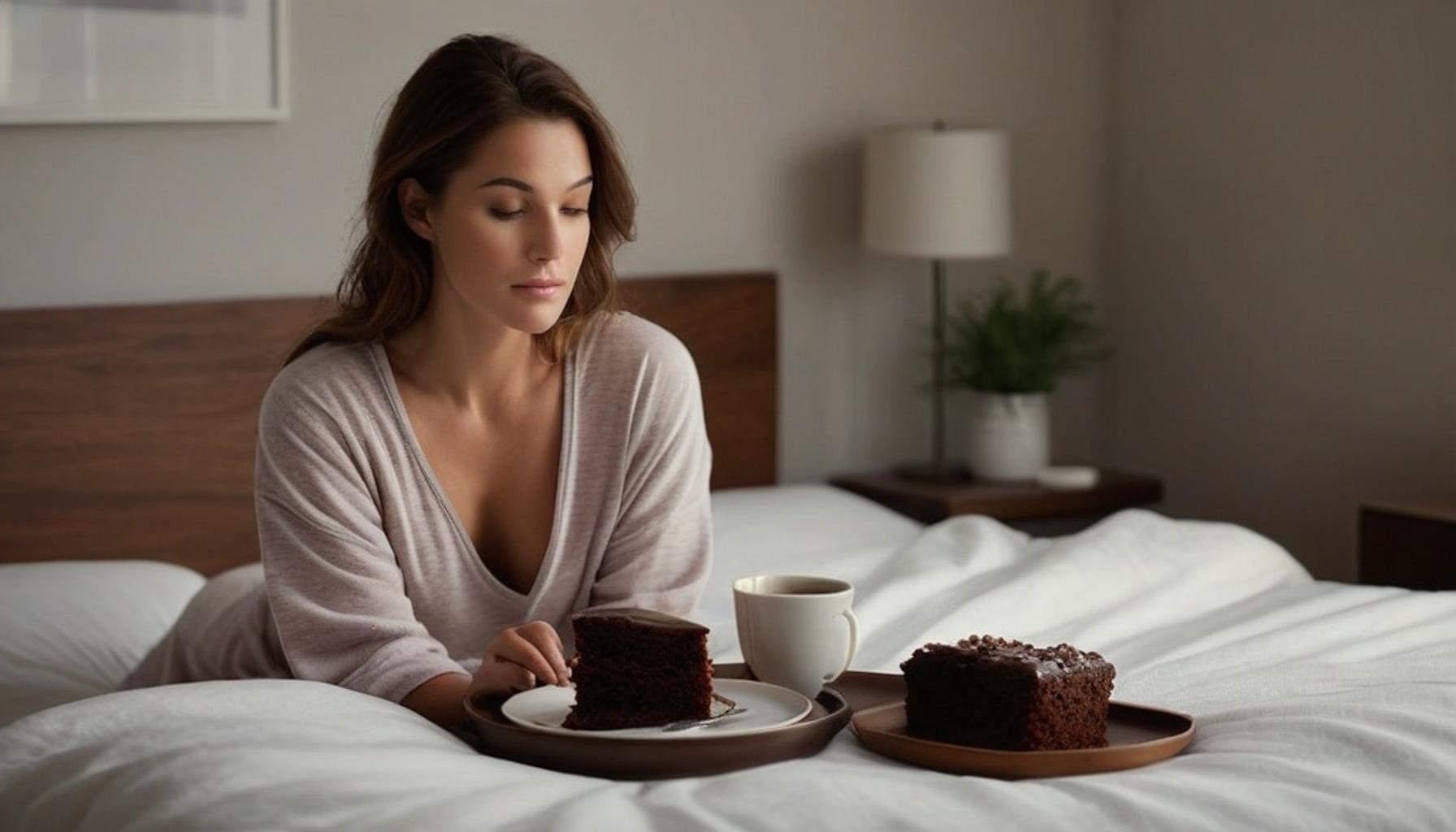
Why Your Midnight Snack Might Be Sabotaging Your Sleep
It’s 10 p.m., and you’re craving a snack before bed. That innocent bowl of ice cream or cup of coffee might be doing more damage than you realize.
Research shows that foods that affect sleep quality are more common than most Americans think. From spicy takeout to that “harmless” glass of wine, everyday choices can quietly wreck your night’s rest.
Sleep experts estimate that nearly 35% of American adults don’t get the recommended seven hours of sleep, and diet plays a bigger role than most people assume. In fact, the Centers for Disease Control and Prevention has labeled insufficient sleep a public health concern, linking it to everything from weight gain to heart disease. What’s often overlooked in this conversation is the direct pipeline between your dinner plate and your ability to drift off peacefully.
Consider this: a greasy cheeseburger and fries at 9 p.m. might seem like comfort food, but your digestive system doesn’t clock out just because you’re ready for bed. High-fat meals force your body to work overtime breaking down food, which can trigger acid reflux and that uncomfortable, bloated feeling that keeps you tossing and turning. Similarly, that innocent-looking chocolate bar you grabbed as a late-night treat contains hidden caffeine that can linger in your bloodstream for hours.
What This Article Will Cover
Understanding drinks to avoid before bed and problematic foods can transform your nightly routine. Here’s what you’ll discover:
- Common foods that disrupt sleep, including hidden caffeine sources
- Why alcohol isn’t the sleep aid you think it is
- The connection between sleep quality and diet choices
- Best foods for sleep that promote relaxation naturally
- Practical tips on what to eat for better sleep tonight
Whether you’re a night owl fighting insomnia or someone who just wants deeper, more restorative rest, this guide breaks down the science behind late-night eating and drinking. The choices you make in your kitchen could be the missing piece to finally waking up refreshed.
Many Americans reach for a nightcap believing alcohol will help them unwind, but that glass of wine or bourbon might be working against them. While alcohol can make you feel drowsy initially, it disrupts the deeper stages of sleep your body needs for true recovery. This means you might fall asleep faster but wake up feeling groggy, dehydrated, and far from rested.
The good news? Small dietary swaps can make a noticeable difference. Foods rich in tryptophan, magnesium, and melatonin, such as turkey, almonds, and tart cherry juice, have shown promise in supporting the body’s natural sleep cycle. Throughout this article, we’ll explore the research, debunk common myths, and offer practical strategies you can start using tonight to reclaim the restful sleep your body deserves.
LEARN MORE: The Importance of Sleep Routine: Creating a Favorable Environment for Rest
# Caffeine’s Sneaky Hiding Spots and Why Timing Matters
Most people know coffee keeps them awake, but the real problem runs deeper. Caffeine has a half-life of about five to six hours, meaning that 3 p.m. latte could still be circulating in your system at 9 p.m. This is one of the most overlooked foods that affect sleep quality, precisely because people underestimate how long caffeine lingers in the bloodstream, quietly interfering with the deep, restorative stages of sleep your body relies on.
Consider this: if you drink a cup of coffee containing 100 milligrams of caffeine at 4 p.m., roughly 50 milligrams could still be active in your system around 10 p.m. That’s enough to delay sleep onset, reduce total sleep time, and fragment the sleep cycles that leave you feeling rested. It’s a slow-motion effect that many Americans never connect to their actual afternoon or evening habits.
Where Caffeine Hides in Plain Sight
Coffee and energy drinks get all the blame, but caffeine shows up in unexpected places too. Being aware of these hidden sources is a critical step toward understanding what to eat for better sleep, especially since many of these items don’t carry warning labels the way a can of Red Bull does.
- Dark chocolate and even some milk chocolate desserts
- Decaf coffee, which still contains trace amounts of caffeine
- Certain pain relievers and headache medications
- Flavored teas, including some herbal blends mixed with green tea
- Protein bars and snacks marketed as “energy boosters”
That post-dinner cup of decaf might feel harmless, but combined with a chocolate dessert, you’re stacking small doses of caffeine that add up. A single ounce of dark chocolate can contain anywhere from 12 to 25 milligrams of caffeine, and when paired with an “energy boosting” granola bar earlier in the day, the cumulative effect becomes far more significant than most people assume.
Sleep researchers at institutions like the Sleep Foundation note that individual sensitivity to caffeine varies widely, but consuming it within six hours of bedtime is generally considered one of the more common foods that disrupt sleep patterns among American adults. Genetics play a role here too, some people metabolize caffeine quickly thanks to a highly active liver enzyme, while others process it much more slowly, meaning identical habits can produce very different results from person to person.
The Late-Night Snack Trap: Spicy and Fatty Foods
Ever notice how a spicy taco craving at 9 p.m. turns into heartburn at midnight? That’s not coincidence. Spicy foods raise your core body temperature, which works directly against the natural temperature drop your body needs to signal sleep readiness. Capsaicin, the compound responsible for that fiery kick, actually stimulates nerve endings that trigger a mild stress response, the opposite of what your body wants before winding down.
Fatty and fried foods create a similar problem, just through a different mechanism. Digesting a heavy meal, think loaded nachos or a double bacon burger, requires significant energy and time. Your stomach essentially stays in “active mode” long after you’ve turned off the lights, increasing the likelihood of acid reflux, indigestion, and restless tossing throughout the night.
Foods That Commonly Trigger Nighttime Discomfort
- Fried chicken, French fries, and other deep-fried favorites
- Spicy salsas, hot wings, and chili-heavy dishes
- Rich, creamy pasta sauces
- Processed meats like pepperoni or sausage
Understanding the link between sleep quality and diet starts with recognizing these patterns. It’s not that you can never enjoy these foods, timing simply matters more than most people realize. Nutritionists often suggest finishing heavier, spicier meals at least three hours before bedtime to give your digestive system a fighting chance at settling down before you do, allowing your core temperature and metabolism to gradually ease into the rest cycle your body naturally craves.
Common Culprits: A Quick Reference Guide to Sleep-Disrupting Foods and Drinks
Understanding foods that affect sleep quality starts with recognizing patterns hidden in everyday habits. Below is a concise breakdown of the most problematic categories, offering a snapshot before diving deeper into the science behind each one.
| Food/Drink Category | Effect on Sleep Quality |
|---|---|
| Caffeinated Beverages | Blocks adenosine receptors, delaying sleep onset for up to 6 hours |
| Alcohol | Disrupts REM cycles, causing fragmented, low-quality rest |
| Spicy or Acidic Foods | Triggers heartburn and raises core body temperature |
| High-Sugar Snacks | Causes blood sugar spikes and nighttime awakenings |
| Heavy, Fatty Meals | Slows digestion, increasing discomfort during sleep |
Why This Matters for Your Nightly Routine
These are not isolated incidents. Research consistently links sleep quality and diet as deeply interconnected systems. A single cup of coffee at 4 p.m. can still be active in your bloodstream at midnight.
Similarly, drinks to avoid before bed extend beyond the obvious. Even seemingly harmless herbal sodas or energy drinks marketed as “natural” often contain hidden stimulants.
Swapping these choices for best foods for sleep, such as almonds, kiwi, or chamomile tea, can shift your body chemistry toward relaxation rather than alertness. The difference often shows up within just a few nights of consistent changes.
YOU MAY ALSO LIKE: The Importance of Sleep Routine: How Consistency Can Transform Your Health and Well-Being
# Alcohol’s Deceptive Lullaby and the Sugar Rollercoaster
That nightcap might feel like it’s helping you drift off, but it’s setting a trap. Alcohol is a sedative, so it does speed up sleep onset initially. The problem surfaces a few hours later, once your body metabolizes it, triggering a rebound effect that fragments sleep during the second half of the night. This pattern catches many Americans off guard, especially those who’ve built a habit of unwinding with a drink after a long workday.
Research from the National Institute on Alcohol Abuse and Alcoholism shows that alcohol suppresses REM sleep, the stage responsible for memory processing and emotional regulation. Skip enough REM cycles, and you wake up feeling groggy even after eight hours in bed. Alcohol also relaxes throat muscles, which explains why snoring and sleep apnea symptoms often worsen after a few drinks. Partners sharing a bed often notice this shift before the drinker does, complaining of louder snoring on nights when cocktails were involved.
Among drinks to avoid before bed, alcohol deserves special attention because its effects are counterintuitive. People assume feeling drowsy means better rest, when actually the opposite is happening beneath the surface. The body is working overtime to process the alcohol, and that internal chemistry battle is precisely what fragments sleep architecture later in the night.
How Much Is Too Much?
Sleep specialists generally recommend stopping alcohol consumption at least three to four hours before bedtime. A glass of wine with dinner at 7 p.m. is far less disruptive than a cocktail at 10 p.m., timing changes everything here. This buffer gives the liver enough time to process most of the alcohol before the body attempts to enter deeper sleep stages, reducing the odds of that dreaded 3 a.m. wake-up call.
- Red wine and other tannin-rich beverages, which can trigger headaches
- Beer, due to its diuretic effect causing nighttime bathroom trips
- Mixed drinks loaded with sugary syrups and juices
- Whiskey or dark liquors, often linked to more intense rebound wakefulness
Sugar’s Rollercoaster Effect on Rest
Dessert after dinner feels harmless, but sugar plays its own disruptive role in the broader conversation around foods that affect sleep quality. Consuming high-sugar foods before bed causes blood glucose levels to spike, followed by a crash a few hours later. That crash can trigger cortisol release, essentially nudging your body into mild alertness right when it should be settling into deep sleep. It’s a biological irony many people never connect to their restless nights.
A 2016 study published in the Journal of Clinical Sleep Medicine found that diets higher in sugar and refined carbohydrates correlated with lighter, more fragmented sleep patterns compared to diets rich in fiber and whole foods. This connection between sleep quality and diet extends beyond obvious culprits like candy or soda, reaching into foods many consider harmless late-night snacks.
Hidden Sugar Sources Worth Watching
- Ice cream and sugary frozen desserts
- Sweetened breakfast cereals eaten as late-night snacks
- Flavored yogurts with added sugars
- Soda, even the caffeine-free varieties
Understanding what to eat for better sleep means looking beyond caffeine and alcohol toward these subtler triggers. Swapping a sugary snack for something like a small handful of almonds or a banana, foods naturally containing magnesium and tryptophan, tends to support the body’s wind-down process instead of working against it. These small substitutions, repeated consistently, often make a noticeable difference within just a week or two.
Some nutritionists suggest keeping a simple food journal alongside a sleep tracker to spot personal patterns, since reactions to sugar and alcohol can vary based on metabolism, body weight, and even genetics. What disrupts one person’s sleep might barely register for another, which is why paying attention to individual responses often proves more useful than following generic advice alone.
# The Bigger Picture: Rethinking Your Nightly RoutineWhat lands on your plate or in your glass after sundown carries more weight than most people realize. From caffeine lingering in your system for hours to the alcohol-fueled rebound wakefulness and sugar-driven cortisol spikes, the evidence keeps pointing to the same conclusion: foods that affect sleep quality are not just an afterthought, they are a nightly variable worth managing deliberately.
The science reviewed throughout this article isn’t about perfection or eliminating every indulgence. It’s about awareness. Knowing that a 4 p.m. coffee run or a late-night cocktail could be quietly sabotaging your sleep architecture gives you the power to make small, informed adjustments rather than wondering why you’re staring at the ceiling at 2 a.m.
Building better sleep quality and diet habits doesn’t require a complete overhaul. Shifting dinner earlier, choosing water over a nightcap, or swapping dessert for a piece of fruit can produce noticeable results within days. These are not drastic sacrifices, they are strategic trade-offs that compound over time.
It’s also worth remembering that foods that disrupt sleep affect everyone differently. Genetics, metabolism, stress levels, and even gut health all play a role in how your body responds to caffeine, alcohol, or sugar. What wrecks one person’s night might barely register for someone else, which is exactly why self-monitoring, whether through a journal, an app, or simply paying closer attention, tends to reveal more than generic checklists ever could.
As research on drinks to avoid before bed and the best foods for sleep continues to expand, one theme remains constant: consistency beats occasional effort. A single good night won’t undo months of poor habits, but steady, mindful choices around what and when you eat can reshape sleep patterns in ways that feel almost effortless after a while.
Ultimately, learning what to eat for better sleep is less about restriction and more about timing, awareness, and small daily choices that add up to genuinely restorative rest.
Frequently Asked Questions
What are the worst foods that affect sleep quality if eaten right before bed?
Spicy dishes, fatty or fried foods, and heavy, high-protein meals are among the worst choices before bed because they slow digestion and can trigger acid reflux. Sugary desserts and refined carbs can also spike blood sugar and cause a crash overnight, leading to restless sleep. It’s best to finish these types of foods at least 3 hours before bedtime.
How long before bed should I avoid caffeine to protect my sleep quality?
Caffeine has a half-life of about 5 to 6 hours, so it’s generally recommended to stop consuming coffee, tea, energy drinks, and even chocolate at least 6 to 8 hours before bedtime. Some people who are sensitive to caffeine may need to cut it off even earlier, such as by early afternoon. Hidden sources like decaf coffee or certain sodas can still contain small amounts, so checking labels helps too.
Does drinking alcohol before bed actually help or hurt sleep quality?
While alcohol may make you feel drowsy and fall asleep faster, it significantly disrupts sleep quality later in the night by suppressing REM sleep and causing frequent awakenings. It can also relax throat muscles, worsening snoring and sleep apnea symptoms. For better sleep, it’s best to avoid alcohol within 3 to 4 hours of bedtime.
Can eating too much sugar in the evening affect how well I sleep?
Yes, consuming high-sugar foods or drinks close to bedtime can cause rapid spikes and drops in blood sugar, which may lead to nighttime awakenings and lighter sleep. This blood sugar rollercoaster can also increase cortisol levels, making it harder to stay asleep. Opting for balanced snacks with protein and complex carbs is a better choice if you’re hungry before bed.
Are there specific drinks besides caffeine and alcohol that can disrupt sleep quality?
Yes, carbonated and sugary sodas can cause bloating and blood sugar spikes that interfere with restful sleep, while excessive fluids of any kind close to bedtime can lead to disruptive nighttime bathroom trips. Highly acidic drinks like citrus juices may also trigger heartburn in some people when lying down. It’s best to stick to water or herbal, non-caffeinated tea in the evening hours.

Linda Carter
Linda Carter is a writer specializing in healthy habits and balanced living. With extensive experience helping readers build sustainable routines, she shares practical guidance on nutrition, physical activity, quality sleep, stress management, and emotional well-being. Her goal is to offer simple, accessible strategies that inspire people to care for their health and enjoy a more balanced life.