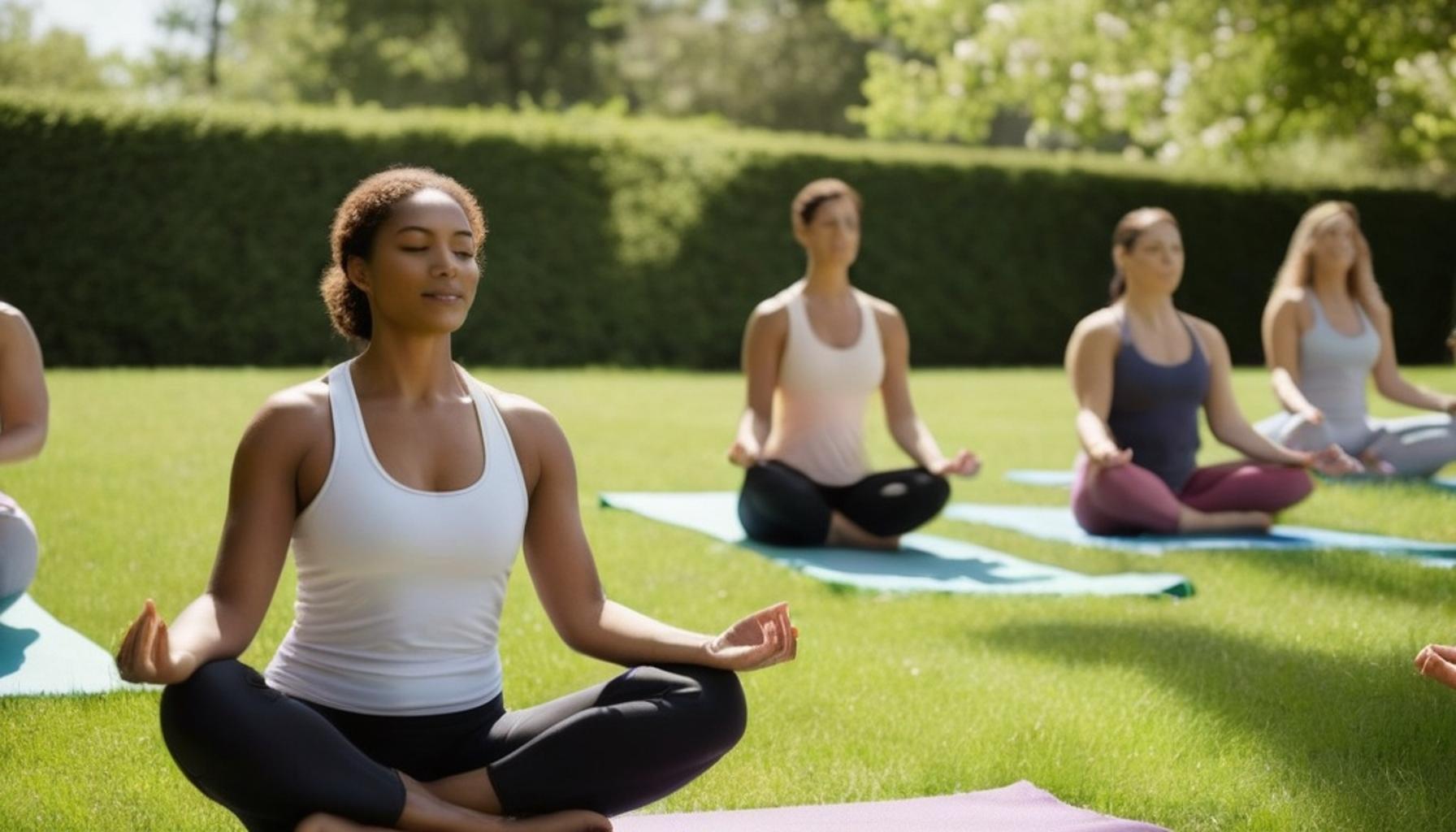
The Importance of Mindfulness in Reducing Daily Stress

Why Mindfulness Matters More Than Ever
Picture this: your phone buzzes with 47 unread emails, traffic on the freeway isn’t moving, and dinner still needs to happen. Sound familiar?
For millions of Americans, this scenario isn’t an exception—it’s Tuesday. According to the American Psychological Association, 77% of U.S. adults report experiencing stress that affects their physical health on a regular basis. That number includes headaches, fatigue, muscle tension, and disrupted sleep—all symptoms that quietly chip away at productivity and quality of life.
What’s particularly striking is how this stress compounds. A missed morning workout leads to a rushed commute, which leads to a tense work meeting, which leads to snapping at a family member over dinner. The cycle feeds itself, and most people don’t even notice they’re trapped in it until burnout hits.
The Rising Interest in Mindfulness Techniques for Stress Relief
Enter mindfulness reducing stress—a practice quietly transforming how people navigate chaotic schedules and mounting pressures. It’s no longer just a wellness buzzword whispered in yoga studios.
Major corporations, including Google and Aetna, now offer mindfulness training to employees. Even the U.S. military has incorporated it into resilience programs, teaching soldiers breathing techniques to manage combat-related stress and improve focus under pressure.
Hospitals are joining in too. Institutions like the Mayo Clinic and Cleveland Clinic now recommend mindfulness-based stress reduction (MBSR) programs alongside traditional treatment plans for patients dealing with chronic pain, anxiety, and even heart disease.
So what makes this ancient practice so relevant today? Consider these compelling factors:
- Accessibility: No equipment, gym membership, or special location required
- Speed: Measurable stress reduction in as little as 10 minutes daily
- Science-backed results: Studies link consistent practice to lower cortisol levels
- Versatility: Adaptable for the office, home, or even during a commute
Interestingly, apps like Headspace and Calm have seen download numbers surge into the tens of millions, suggesting Americans are actively searching for accessible tools to manage the mental noise of daily life.
How Mindfulness Helps With Anxiety and Daily Overwhelm
Understanding how mindfulness helps with anxiety starts with recognizing what happens in the brain during stressful moments. The amygdala—your internal alarm system—goes into overdrive, flooding the body with stress hormones designed for short-term survival, not sustained modern-day pressure.
Regular practice appears to calm this response, creating space between triggers and reactions. This shift isn’t magic; it’s neuroscience in action. Brain imaging studies have shown that consistent mindfulness practice can actually shrink the amygdala over time while strengthening the prefrontal cortex, the region responsible for rational decision-making and emotional regulation.
This article explores practical daily mindfulness practices, the science behind stress management and mindfulness, and concrete steps for building a sustainable routine—no matter how packed your calendar looks.
YOU MAY ALSO LIKE: The importance of the practice of gratitude for mental well-being
The Science Behind Mindfulness Reducing Stress
Skeptics often ask the same question: does sitting quietly for a few minutes actually change anything physiologically? The answer, according to a growing body of research, is yes—and the mechanisms are measurable.
A landmark study published in Psychoneuroendocrinology found that participants who practiced mindfulness meditation for just eight weeks showed significant reductions in cortisol, the body’s primary stress hormone. Other research from Harvard Medical School revealed that consistent practice literally changes brain structure, increasing gray matter density in areas linked to memory, empathy, and self-awareness. Researchers used MRI scans to compare brain images before and after an eight-week mindfulness-based stress reduction course, and the differences were not subtle—they were visible on imaging equipment that doesn’t lie.
This is where stress management and mindfulness intersect in fascinating ways. Unlike medication, which often addresses symptoms after they surface, mindfulness works upstream—interrupting the stress response before it spirals into chronic tension or anxiety. Think of it as the difference between treating a fire after it’s already burning versus catching the spark before it ignites. That distinction matters enormously for anyone juggling deadlines, family obligations, and the general noise of American daily life.
Common Mindfulness Techniques for Stress Relief
Not all mindfulness practices look like sitting cross-legged on a cushion for an hour. In fact, many of the most effective techniques take only minutes and fit seamlessly into an American workday, whether you’re commuting on the subway in New York or grabbing coffee between meetings in Austin.
- Box breathing: Inhale for four counts, hold for four, exhale for four, hold for four—used by Navy SEALs to stay calm under pressure
- Body scan meditation: A slow mental check-in from head to toe, often used to release physical tension before sleep
- Mindful walking: Paying attention to each step and breath during a lunch break instead of scrolling through social media
- Five senses grounding: Naming five things you see, four you hear, three you feel, two you smell, and one you taste to anchor yourself in the present
- Single-tasking: Deliberately focusing on one task at a time instead of juggling multiple browser tabs and notifications
These daily mindfulness practices share a common thread: they pull attention away from ruminating on the past or worrying about the future, redirecting it to the present moment—the only place stress can actually be addressed. Athletes, surgeons, and even air traffic controllers have adopted variations of these techniques precisely because split-second focus can mean the difference between crisis and control.
Why This Matters for Long-Term Health
The benefits of mindfulness extend far beyond momentary calm. The Centers for Disease Control and Prevention has linked chronic stress to six of the leading causes of death in the United States, including heart disease and stroke. That statistic alone should give pause to anyone who dismisses mindfulness as a wellness trend rather than a legitimate health intervention.
Insurance companies and hospital systems have taken notice, too. Major health networks like Kaiser Permanente and the Mayo Clinic now offer mindfulness-based stress reduction programs as part of standard patient care, a sign that this practice has moved well beyond yoga studios and self-help podcasts into mainstream medicine.
Given those stakes, it’s worth noting that mindfulness isn’t a cure-all. But as a low-cost, accessible tool, it offers something increasingly rare in modern wellness culture: a practice backed by decades of research, requiring no subscription, prescription, or special equipment.
The next section breaks down exactly how to build these techniques into a realistic routine—even for readers who insist they don’t have time to sit still for five minutes.

Key Aspects of Mindfulness Reducing Stress: A Quick Reference
Understanding mindfulness reducing stress becomes easier when you break down its core components. The table below highlights essential mindfulness techniques for stress relief and their direct impact on daily well-being, offering a snapshot of what research and practice reveal about calming the mind.
| Aspect of Mindfulness | Impact on Stress & Anxiety |
|---|---|
| Mindful Breathing | Lowers cortisol levels within minutes, calming the nervous system instantly. |
| Body Scan Practice | Improves awareness of tension, a core part of daily mindfulness practices. |
| Anxiety Regulation | Demonstrates how mindfulness helps with anxiety by interrupting racing thoughts. |
| Workplace Application | Supports stress management and mindfulness routines that boost focus and productivity. |
SEE ALSO: Mindfulness Strategies to Reduce Stress and Improve Mental Health
Mindfulness in the Workplace and Everyday American Life
Walk into almost any Fortune 500 headquarters today, and you might stumble upon a meditation room tucked between conference spaces. Companies like Google, Aetna, and General Mills have built formal mindfulness programs into their employee wellness offerings, and the motivation isn’t purely altruistic—it’s financial. Aetna reported that employees who participated in its mindfulness program saved the company an estimated $2,000 per employee annually in healthcare costs, alongside a 62-minute weekly boost in productivity.
That kind of data forces a reconsideration of workplace stress. For decades, burnout was treated as a personal failing, something to push through with caffeine and willpower. Now, stress management and mindfulness are being reframed as legitimate business strategy, not just personal wellness trends.
The shift is showing up in unexpected places. Insurance companies are offering premium discounts for employers who implement wellness programs with mindfulness components. Tech firms in Silicon Valley have quietly moved from ping-pong tables to meditation apps as the perk of choice, with companies like Salesforce building dedicated mindfulness zones into new office designs. Even manufacturing plants in the Midwest have started experimenting with short guided breathing sessions before shift changes, betting that a calmer workforce makes fewer costly mistakes on the line.
How Mindfulness Helps With Anxiety in Real Situations
Anxiety rarely announces itself politely. It shows up as a racing heart before a job interview, a spiral of worst-case scenarios before a doctor’s appointment, or that familiar tightness in the chest during rush-hour traffic on I-95 or the 405.
Understanding how mindfulness helps with anxiety requires looking at the amygdala, the brain’s alarm system. When triggered, it floods the body with adrenaline and cortisol, preparing for a threat that, in most modern cases, doesn’t actually require fight-or-flight. Mindfulness interrupts this cycle by activating the prefrontal cortex, the region responsible for rational thought, essentially giving the brain a chance to ask, “Is this really an emergency?”
Clinical psychologists frequently point to this interruption as the reason mindfulness-based cognitive therapy has become a recommended treatment for generalized anxiety disorder, often used alongside or instead of pharmaceutical intervention. Research published by major academic medical centers has shown measurable reductions in cortisol levels among participants who completed eight-week mindfulness courses, a timeline that has become something of an industry standard since Jon Kabat-Zinn pioneered the format decades ago at the University of Massachusetts Medical School.
What’s particularly striking is how this research has influenced insurance coverage. Some major health providers now reimburse for mindfulness-based stress reduction programs the same way they would for traditional talk therapy, a sign that the medical establishment views this as more than a passing wellness fad.
Practical Examples From Everyday Life
Mindfulness doesn’t require a retreat in Sedona or a $200 meditation cushion. Some of the most effective applications happen in mundane, unglamorous moments:
- Parents using a 60-second breathing pause before responding to a tantrum instead of reacting immediately
- Teachers in Chicago public schools incorporating two-minute mindful breathing breaks between class periods to reset student focus
- Nurses practicing grounding techniques during 12-hour hospital shifts to prevent compassion fatigue
- Commuters in Los Angeles or Atlanta using red lights as cues to check in with their breath instead of checking their phones
These small, repeatable moments illustrate why the benefits of mindfulness aren’t reserved for people with spare hours and quiet homes. They’re built for interruption-filled, chaotic American schedules.
Athletes have caught on too. NFL and NBA teams now employ sports psychologists who incorporate mindfulness training into pre-game routines, teaching players to stay present during high-pressure moments rather than getting trapped in anxious anticipation of outcomes. Even the U.S. military has adopted versions of this training, using mindfulness-based mind fitness programs to help soldiers regulate stress responses in combat zones and during reintegration afterward.
What makes this approach particularly compelling is its cumulative nature. A single two-minute practice won’t transform someone’s stress levels overnight, but stacked daily over weeks and months, these micro-interventions retrain the nervous system’s baseline response to pressure—turning mindfulness reducing stress from an occasional tactic into a durable, long-term skill. As more data emerges from workplaces, hospitals, and classrooms across the country, the conversation is shifting from whether mindfulness works to how quickly institutions can scale it responsibly.
YOU MAY ALSO LIKE: How Mindful Eating Can Improve Mental Health
The Bigger Picture: Why Mindfulness Deserves a Permanent Place in Daily Life
The evidence gathered from boardrooms, battlefields, and school hallways points to a single conclusion: mindfulness reducing stress isn’t a fleeting cultural trend—it’s a measurable, replicable outcome backed by neuroscience, corporate financials, and clinical research alike.
What started as a niche practice rooted in Buddhist meditation has evolved into a mainstream tool embraced by Fortune 500 companies, public school teachers, NFL locker rooms, and even the U.S. military. That kind of cross-industry adoption rarely happens without results to justify it.
Still, the real power of mindfulness lies not in grand gestures but in small, consistent choices. Choosing to breathe before reacting. Choosing presence over autopilot during a commute. These daily mindfulness practices compound over time, gradually reshaping how the nervous system responds to pressure.
It’s worth remembering that stress management and mindfulness aren’t about eliminating stress entirely—that’s an unrealistic goal in a country where nearly 77 percent of people report regularly experiencing physical symptoms caused by stress, according to American Psychological Association surveys. Instead, the goal is building resilience, creating space between stimulus and reaction, and reducing the cumulative wear that chronic stress places on the body.
Simple mindfulness techniques for stress relief—a few mindful breaths, a body scan, a moment of grounded awareness—cost nothing and require no special equipment. Yet their ripple effects extend into healthcare savings, workplace productivity, and long-term mental health outcomes.
As more employers, schools, and healthcare providers integrate mindfulness into their systems, the question is no longer whether it belongs in modern American life. It’s how quickly individuals will start treating it as essential, rather than optional, and what other institutions might follow suit as the research continues to mount.
Frequently Asked Questions
How does mindfulness actually reduce stress on a physiological level?
Mindfulness reducing stress works by activating the parasympathetic nervous system, which lowers cortisol levels and slows your heart rate. Regular practice also shrinks activity in the amygdala, the brain’s fear center, while strengthening the prefrontal cortex responsible for calm decision-making. Over time, this rewiring makes your body’s stress response less reactive to daily triggers.
How long do I need to practice mindfulness each day to notice less stress?
Studies show that just 10 to 15 minutes of daily mindfulness practice can produce measurable reductions in stress within two to four weeks. Consistency matters more than duration, so a short daily session is more effective than an occasional long one. Many people notice small shifts in reactivity and mood within the first week of regular practice.
Can mindfulness help with work-related stress specifically?
Yes, mindfulness is especially effective for work-related stress because it helps you pause before reacting to emails, deadlines, or difficult conversations. Techniques like mindful breathing between tasks or a brief body scan before meetings can lower tension and improve focus. Many companies now offer mindfulness training specifically because it reduces burnout and improves workplace resilience.
What is the easiest mindfulness technique for beginners dealing with daily stress?
The simplest technique for beginners is focused breathing, where you spend two to three minutes paying close attention to each inhale and exhale without judgment. Another easy option is the five senses exercise, where you name one thing you can see, hear, touch, smell, and taste to ground yourself in the present moment. Both methods require no special equipment and can be done anywhere, making them ideal for busy schedules.

Linda Carter
Linda Carter is a writer specializing in healthy habits and balanced living. With extensive experience helping readers build sustainable routines, she shares practical guidance on nutrition, physical activity, quality sleep, stress management, and emotional well-being. Her goal is to offer simple, accessible strategies that inspire people to care for their health and enjoy a more balanced life.