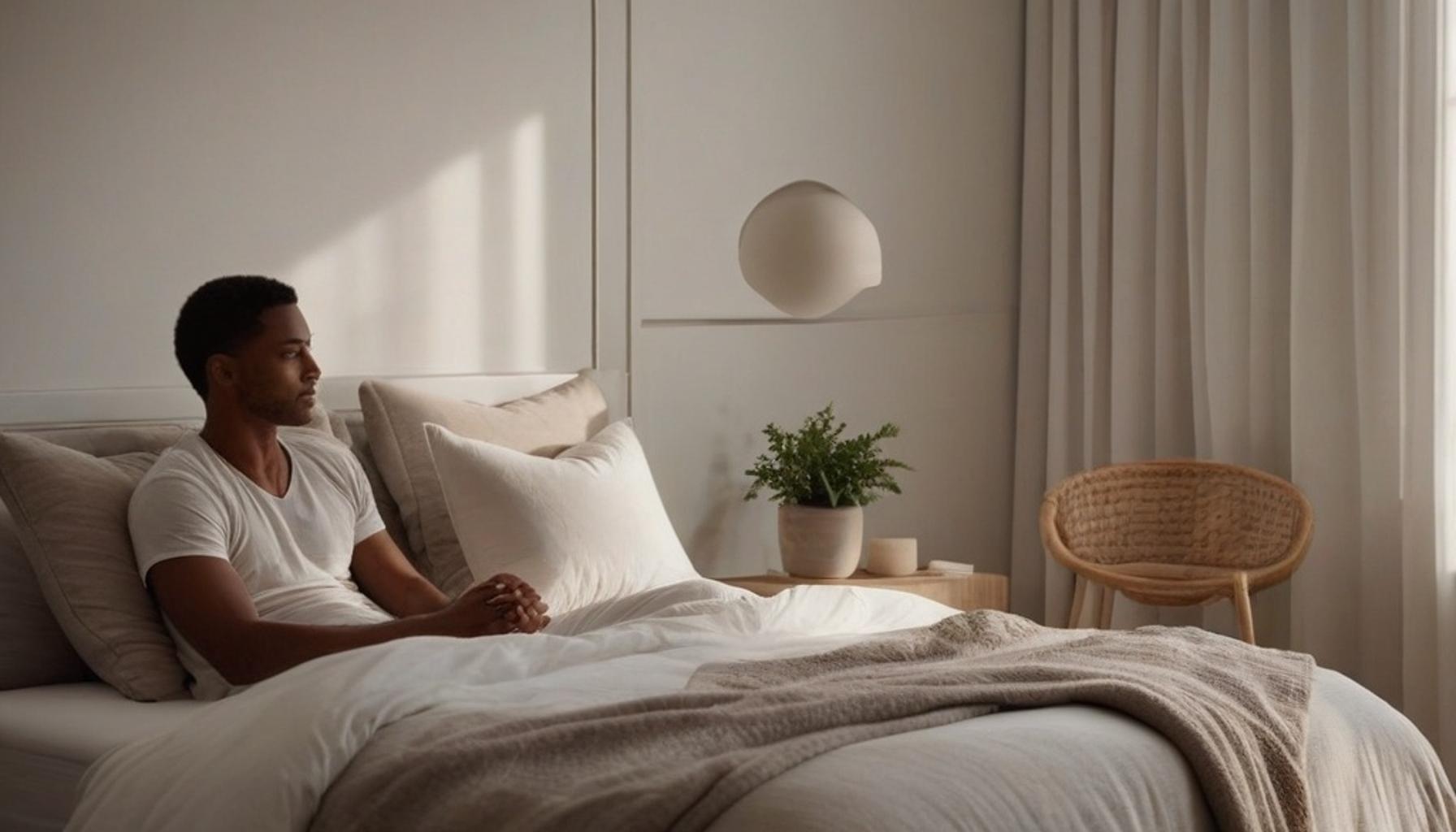
The importance of a sleep routine: how to create an environment conducive to restorative rest
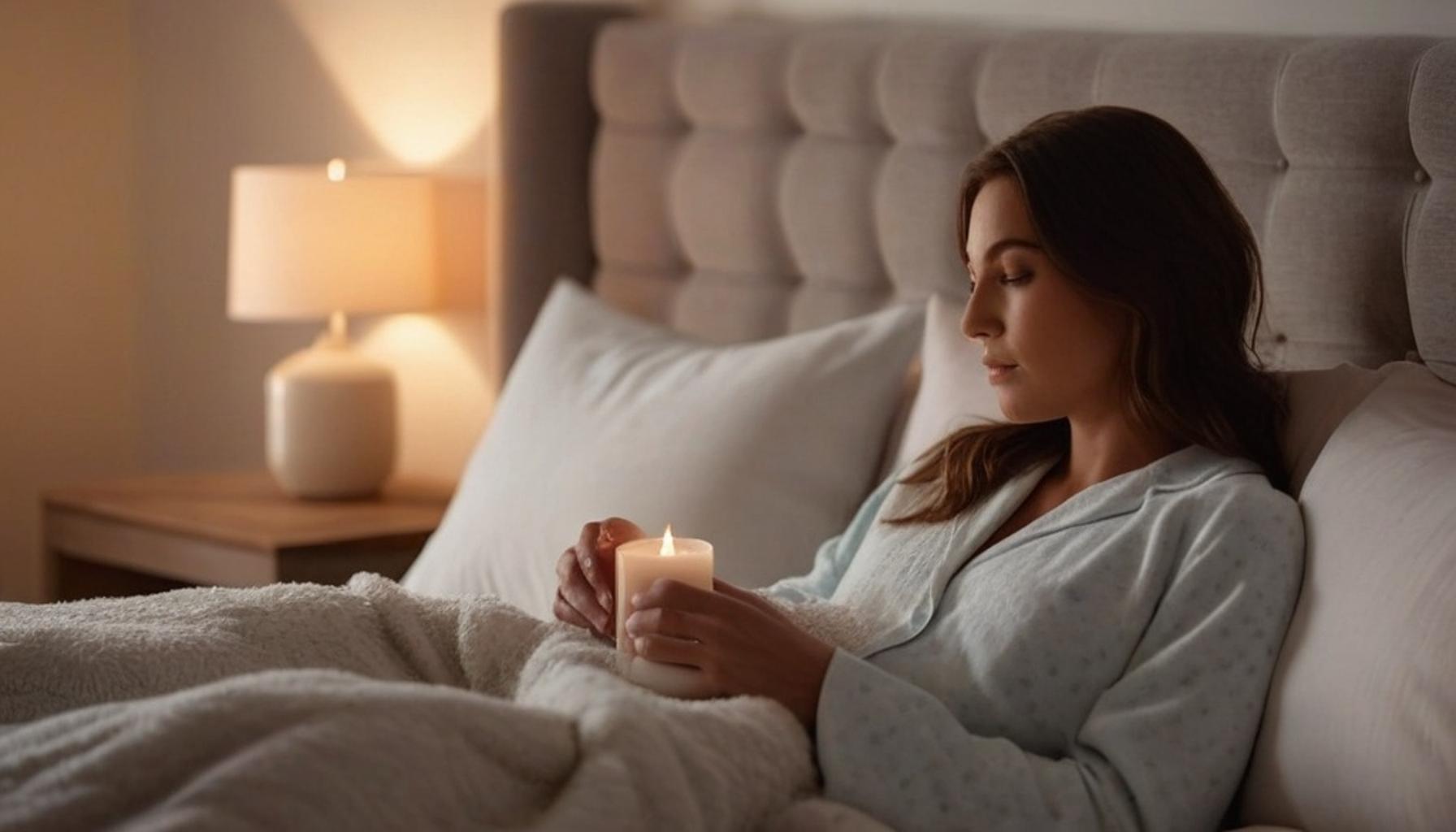
Why Your Body Craves a Predictable Sleep Routine
At 2 a.m., millions of Americans are staring at the ceiling, scrolling through their phones, or raiding the fridge. According to the CDC, over one-third of U.S. adults don’t get enough sleep on a regular basis. That statistic translates into roughly 84 million people walking into work, school, or family life running on empty.
The culprit often isn’t stress or caffeine alone — it’s the absence of a consistent sleep routine. Our bodies run on internal clocks that thrive on predictability, not chaos. Think of your circadian rhythm as a finely tuned orchestra conductor, cueing hormone releases, body temperature shifts, and alertness levels at nearly the same time every day. When you disrupt that schedule — staying up late on weekends, binge-watching a series until 1 a.m., or working irregular shifts — you’re essentially asking the conductor to lead without a score.
The Hidden Cost of Inconsistent Sleep
Poor sleep habits do more than cause morning grogginess. Research links irregular sleep patterns to a surprisingly long list of health consequences, many of which extend far beyond feeling tired. Studies published in journals like Sleep Health have connected chronic sleep disruption to:
- Weakened immune response, making colds and infections more frequent
- Increased risk of heart disease and diabetes, with some studies showing a 20 to 30 percent higher likelihood among irregular sleepers
- Impaired memory and decision-making, similar to the cognitive effects of mild alcohol impairment
- Higher levels of anxiety and irritability, which can strain relationships and workplace performance
The good news? Small, strategic changes to your evening habits and bedroom setup can dramatically improve sleep quality — often within just a few weeks. Sleep researchers at institutions like Harvard Medical School have found that consistency, even more than total hours slept, plays a major role in how rested people actually feel.
What This Article Will Cover
Creating a sleep-friendly environment isn’t about expensive gadgets or drastic lifestyle overhauls. It’s about understanding what your body actually needs, and then making adjustments that align with those biological demands rather than fighting against them.
In the sections ahead, you’ll discover:
- The science behind circadian rhythms and why timing matters more than most people realize
- Practical sleep hygiene tips used by sleep specialists across the country
- How to create a sleep environment that signals “rest” to your brain, from lighting to temperature
- Simple, restorative sleep practices you can start tonight, without spending a dime
Whether you’re battling insomnia, dealing with shift-work fatigue, or simply want sharper focus during the day, building a reliable sleep routine could be the missing piece you’ve overlooked. The path to better rest might be less complicated than you think.
LEARN MORE: Foods and Drinks that Affect Sleep Quality: What to Avoid Before Sleeping
# The importance of a sleep routine: how to create an environment conducive to restorative rest## Understanding Your Circadian Rhythm: The Master Clock Behind Every Good Night’s SleepDeep inside your brain, roughly the size of a grain of rice, sits the suprachiasmatic nucleus — the command center of your circadian rhythm. This tiny cluster of neurons, located in the hypothalamus, controls when you feel sleepy, when you wake up, and even when your body temperature naturally drops to prepare for rest.Here’s what makes it fascinating: this internal clock doesn’t just respond to darkness and light. It anticipates them. If you’ve trained your body to fall asleep at 10:30 p.m. for months, your brain actually starts releasing melatonin around 9 p.m., priming you for rest before you even climb into bed. This is the biological foundation behind the benefits of a sleep routine — predictability allows your body to prepare in advance, rather than scrambling to catch up.Disrupt that pattern regularly, though, and the consequences compound quickly.### Why “Social Jet Lag” Is More Common Than You ThinkSleep researchers have coined a term for the mismatch between your weekday and weekend sleep schedules: social jet lag. It’s the same biological confusion experienced by someone flying from New York to Los Angeles, except it happens every single weekend for people who sleep in on Saturdays and Sundays.A study published in *Current Biology* found that even a two-hour shift in sleep timing between weekdays and weekends was associated with:
- Increased body mass index and higher risk of obesity
- Greater reported fatigue, even after “catching up” on sleep
- Elevated cortisol levels, the body’s primary stress hormone
- Reduced insulin sensitivity, a precursor to metabolic issues
In other words, sleeping in until noon on Sunday to compensate for a rough week doesn’t erase the damage. It often makes Monday morning grogginess worse, a phenomenon some sleep specialists jokingly call the “Monday hangover” — no alcohol required.### The Role of Light Exposure in Setting Your Internal ClockLight is the single most powerful cue your body uses to regulate sleep-wake timing. Exposure to bright light, especially blue wavelengths emitted by phones, tablets, and LED lighting, tells your brain it’s still daytime, even at 11 p.m.This is why sleep hygiene tips from organizations like the National Sleep Foundation consistently emphasize dimming lights in the evening and seeking bright, natural light shortly after waking. Morning sunlight exposure, even just 10 to 15 minutes on a porch or during a short walk, has been shown to help anchor circadian timing more effectively than artificial light alone.Understanding this relationship between light, timing, and hormone release is the first step toward learning how to create a sleep environment that actually works with your biology instead of against it.

LEARN MORE: How Technology Affects Your Sleep: Tips for Healthy Use
Designing a Bedroom That Works With Your Biology, Not Against It
Once you understand how light and timing shape your internal clock, the next logical step is translating that knowledge into physical space. Knowing how to create a sleep environment isn’t about buying expensive gadgets — it’s about removing the obstacles that quietly sabotage restorative sleep practices every single night.
Temperature is often the most overlooked factor. The National Sleep Foundation recommends keeping bedrooms between 60 and 67 degrees Fahrenheit for optimal rest. This range supports the natural drop in core body temperature that signals your brain it’s time to power down. A bedroom that’s too warm, common in homes running central heating through winter, can delay this process and lead to fragmented, restless sleep. In cities like Phoenix or Houston, where summer humidity lingers well into the evening, this becomes even more critical, since air conditioning habits directly influence how quickly the body transitions into deep sleep stages.
The Noise Factor Most People Underestimate
Sound doesn’t need to fully wake you up to disrupt sleep quality. Research from Brigham and Women’s Hospital found that intermittent noises, like a passing car or a neighbor’s door, can trigger micro-arousals that fragment sleep architecture without the sleeper ever remembering waking up. Over time, these unnoticed interruptions accumulate, leaving people groggy despite believing they slept a full eight hours.
This is why many sleep hygiene tips now include recommendations for white noise machines or consistent background sound, rather than complete silence. A steady hum masks unpredictable disturbances more effectively than dead quiet, which can actually make sudden noises feel more jarring. Urban dwellers in places like Chicago or New York, where sirens and traffic never fully stop, often report noticeable improvement simply by introducing a fan or sound machine into the room.
- Use blackout curtains to block streetlights and early dawn light
- Keep phones and screens outside arm’s reach, not just on silent mode
- Reserve the bed exclusively for sleep, avoiding work or scrolling in bed
- Invest in a mattress and pillow suited to your sleep position, replaced every 7 to 10 years
Why Consistency Beats Perfection
Here’s something rarely discussed: an imperfect but consistent sleep routine often outperforms an ideal setup used sporadically. Sleep specialists at Johns Hopkins Medicine note that regularity in bedtime and wake time trains the body’s internal rhythm more powerfully than any single environmental tweak. Even weekend habits matter here, since sleeping in past your usual wake time can shift your circadian rhythm similarly to jet lag, a phenomenon researchers call “social jet lag.”
This means someone sleeping in a modest apartment with street noise, but going to bed at 10:30 p.m. every night, may actually experience better sleep quality than someone with a luxury bedroom setup and an erratic schedule. The environment matters, but discipline often matters more.
The goal isn’t creating a flawless sanctuary overnight. It’s stacking small, repeatable habits, dimming lights an hour before bed, keeping the thermostat steady, silencing notifications, that signal safety and predictability to your nervous system. Over weeks, these signals compound, and the difference becomes measurable, not just in how quickly you fall asleep, but in how rested you feel when morning light finally arrives. For anyone curious enough to track it, even a simple sleep journal over thirty days can reveal patterns most people never realized were affecting their rest.
RECOMMENDED: Relaxation Strategies to Promote Restorative Sleep
Bringing It All Together: Small Signals, Lasting Rest
The evidence points to a simple but often ignored truth: quality rest isn’t accidental. It’s engineered through small, deliberate choices repeated night after night. The benefits of a sleep routine extend far beyond feeling less tired, they touch memory consolidation, immune function, and even long-term cardiovascular health, according to research from the CDC and the American Heart Association.
What makes this topic worth revisiting is how accessible the solutions actually are. Learning how to create a sleep environment doesn’t require a bedroom overhaul or a subscription to the latest sleep-tracking app. It requires attention to temperature, light, and noise, paired with a schedule the body can predict and trust.
Consider the broader pattern: Americans across different cities, climates, and living situations, from a humid Houston summer to a noisy Brooklyn street, all face unique environmental hurdles. Yet the underlying principles of sleep hygiene tips remain consistent regardless of zip code. Darkness, coolness, quiet, and routine form the foundation everything else builds upon.
Perhaps the most valuable takeaway is this: perfection isn’t the goal, and chasing it can backfire. Progress compounds through consistency, not intensity. Someone who commits to a fixed bedtime, even in a modest, imperfect space, is likely to improve sleep quality more reliably than someone chasing luxury upgrades without structure.
As research on circadian biology continues to expand, one thing seems increasingly clear: the path toward better rest isn’t about eliminating every disturbance, it’s about building predictable, repeatable restorative sleep practices that the nervous system learns to trust. That trust, built gradually, might be the closest thing science has found to a genuine sleep solution.
Frequently Asked Questions
How long does it take for a new sleep routine to actually improve sleep quality?
Most people notice improvements within 1 to 2 weeks of consistently following a sleep routine, though it can take 3 to 4 weeks for your body’s internal clock to fully adjust. Sticking to the same sleep and wake times every day, including weekends, speeds up this process significantly. Consistency matters more than perfection, so occasional slip-ups won’t undo your progress.
What temperature should my bedroom be for the best sleep routine results?
Most sleep experts recommend keeping your bedroom between 60 and 67 degrees Fahrenheit for optimal restorative rest. This cooler range helps your body’s core temperature drop naturally, which signals to your brain that it’s time to sleep. If you tend to sleep hot, breathable cotton or linen bedding can help maintain this ideal range throughout the night.
Is it bad to look at my phone right before starting my sleep routine?
Yes, screen use right before bed can disrupt your sleep routine because the blue light emitted suppresses melatonin production, the hormone that signals sleepiness. Experts recommend powering down phones, tablets, and TVs at least 30 to 60 minutes before bedtime. If you must use a device, enabling night mode or wearing blue-light-blocking glasses can help minimize the impact.
Can naps during the day interfere with my nighttime sleep routine?
Yes, long or late-afternoon naps can throw off your nighttime sleep routine by reducing your natural sleep pressure before bed. If you need to nap, keep it under 20 to 30 minutes and finish before 3 p.m. to avoid disrupting your ability to fall asleep at your regular bedtime. People with chronic insomnia may benefit from avoiding naps altogether while rebuilding their routine.

Linda Carter
Linda Carter is a writer specializing in healthy habits and balanced living. With extensive experience helping readers build sustainable routines, she shares practical guidance on nutrition, physical activity, quality sleep, stress management, and emotional well-being. Her goal is to offer simple, accessible strategies that inspire people to care for their health and enjoy a more balanced life.