The Role of Group Sports in Building Social Connections
Why Team Sports Are More Than Just a Game
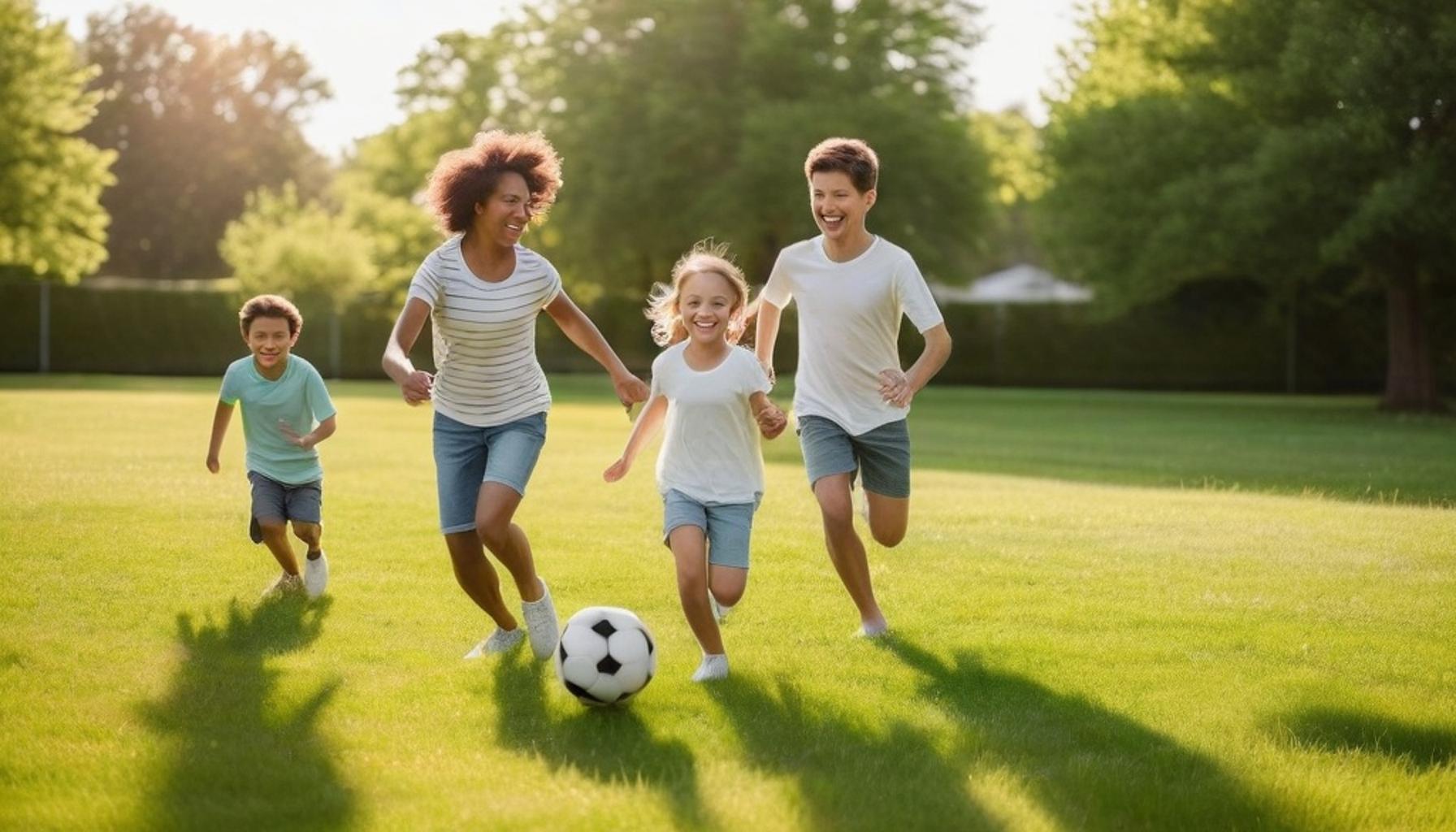
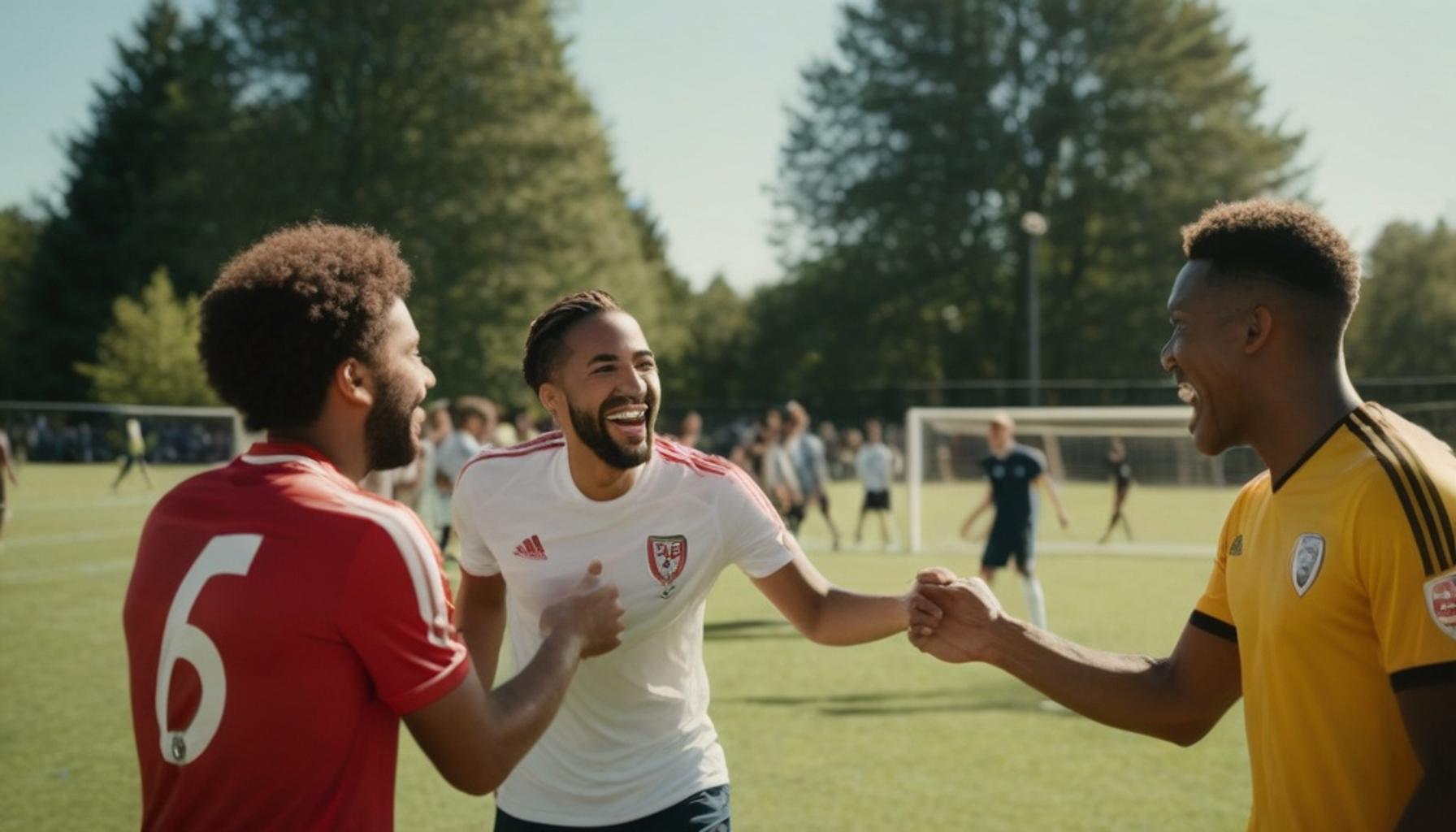
Picture a Saturday morning rec league soccer match in a local park in Ohio. Strangers become teammates, high-fives replace handshakes, and by the final whistle, phone numbers are exchanged. This scene repeats itself across the United States every single week.
Group Sports Social Connections are quietly reshaping how Americans build friendships, especially in an era dominated by screens and remote work. Research increasingly shows that shared physical activity accelerates trust and camaraderie faster than most other social settings.
Consider what makes team-based activities so powerful for connection:
- Shared goals that require communication and cooperation
- Regular, scheduled interaction that builds consistency
- Physical proximity and shared achievement, both known to boost bonding
- A built-in support network during wins and losses alike
From youth soccer leagues in suburban Texas to adult softball teams in Brooklyn, the team sports benefits extend far beyond physical fitness. They create structured environments where building friendships through sports happens almost automatically.
This article explores the social benefits of group sports, examining how group sports community building functions as a modern antidote to isolation. We’ll also look at why team activities for socializing are gaining traction among adults seeking meaningful connection in a fragmented social landscape.
The Science Behind the Sweat
Sports psychologists have long pointed to a phenomenon called synchronized activity, where moving in rhythm with others, whether passing a ball or running drills, triggers oxytocin release in the brain. This hormone, often nicknamed the trust chemical, explains why teammates frequently report feeling closer to fellow players than to coworkers they see daily. A 2021 study published in the American Journal of Health Promotion found that adults participating in recreational sports leagues reported significantly lower loneliness scores compared to those who exercised alone.
A Nationwide Movement Toward Connection
Cities like Chicago, Denver, and Austin have seen explosive growth in adult kickball, dodgeball, and volleyball leagues over the past decade. Organizations such as social sports clubs now operate in over 40 metropolitan areas, drawing thousands of young professionals who crave in-person interaction after years of virtual meetings and delivery apps replacing everyday errands.
What makes these leagues particularly interesting is their intentional design. Many are structured specifically for newcomers, transplants, or people re-entering the dating and friendship market after a move or life transition. Unlike traditional bar-hopping or networking events, sports provide a low-pressure, activity-based excuse to interact, removing much of the awkwardness associated with meeting strangers.
As remote work continues reshaping American social habits, the humble rec league may be doing more heavy lifting for community health than most people realize.
RECOMMENDED: The Role of Physical Activity in Mental Health: Finding Balance Through Movement
From Locker Rooms to Lifelong Friendships
Walk into any suburban gym on a Tuesday night, and you’ll likely find a coed volleyball league where half the roster met just months ago as complete strangers. That transformation from stranger to confidant is the quiet engine driving Group Sports Social Connections across the country. What starts as an awkward first practice, full of mismatched jerseys and unfamiliar faces, often ends a few months later with group vacations, wedding invitations, and emergency contact lists that include teammates rather than distant relatives.
Unlike casual gym workouts or solo jogging routines, team-based recreation forces a specific kind of interaction. You cannot win a flag football game without calling plays, celebrating a teammate’s touchdown, or consoling someone after a dropped pass. These micro-moments of vulnerability and shared emotion, repeated weekly, create the scaffolding for genuine friendship. Sociologists studying adult play patterns note that this kind of structured, recurring contact mimics the social conditions of childhood recess or college dorm life, environments notoriously effective at forging fast, durable bonds.
What Adult Recreational Leagues Reveal About Modern Loneliness
The U.S. Surgeon General’s 2023 advisory on loneliness highlighted a troubling statistic: nearly half of American adults report experiencing measurable social disconnection. Against that backdrop, the rise of adult sports leagues in cities like Nashville, Seattle, and Minneapolis looks less like a fitness trend and more like a public health response. City parks departments in several of these markets have begun partnering with private league operators, effectively treating rec sports as a civic infrastructure project rather than a niche hobby.
Consider the practical mechanics that make team sports benefits so effective at combating isolation:
- Weekly games create automatic, low-effort recurring social contact
- Team rosters mix ages, professions, and backgrounds that rarely intersect elsewhere
- Post-game gatherings at local bars or restaurants extend bonding beyond the field
- Group chats and text threads keep momentum going between matches
- Shared losses build resilience and inside jokes that outlast any single season
These elements combine to produce something networking events and dating apps consistently struggle to replicate: unforced, repeated exposure to the same group of people over an extended period. Unlike a single happy hour or a swipe-based match, a ten-week softball season guarantees roughly a dozen touchpoints, each one layered with shared stakes, minor triumphs, and the occasional shared frustration over a bad umpire call.
The Data Behind Team-Based Bonding
A survey conducted by the Aspen Institute’s Project Play initiative found that adults who participated in organized team sports were 35 percent more likely to report having a strong local social network compared to those who exercised individually. That gap widened further among respondents who had relocated to a new city within the past two years, suggesting that team sports may function as an accelerated onboarding system for newcomers navigating unfamiliar social landscapes.
This pattern illustrates why building friendships through sports works particularly well for transplants and young professionals. A shared jersey color and a common opponent give people permission to talk to strangers without the usual social friction. It removes the pressure of finding a conversation starter, since the game itself provides one automatically.
Sports league organizers in Denver have reported waitlists exceeding 200 people for popular kickball divisions, a clear signal that demand for structured, activity-based socializing continues to outpace available slots in many metro areas, prompting some cities to expand league offerings into dodgeball, pickleball, and even adult tag.
Key Aspects of Group Sports Social Connections
Group Sports Social Connections form through shared goals, repeated interaction, and mutual accountability. Below is a breakdown of the core aspects that make team sports benefits so powerful for social development, alongside the specific social outcomes each one produces.
| Key Aspect | Social Benefit |
|---|---|
| Shared Team Goals | Building friendships through sports via collective effort toward wins |
| Regular Practice Sessions | Consistent contact strengthens group sports community building |
| Diverse Team Rosters | Exposure to different backgrounds boosts empathy and communication |
| Post-Game Rituals | Team activities for socializing outside competition, deepening bonds |
| Conflict Resolution | Learning negotiation skills, a key social benefit of group sports |
CHECK OUT: The surprising benefits of outdoor physical activity: how nature can enhance your workout
Beyond the Scoreboard: How Teams Rebuild Community Fabric
Employers have started noticing what recreation departments already knew. Corporate wellness programs in cities like Austin and Charlotte now subsidize league fees for company softball or soccer teams, betting that group sports community building translates directly into workplace cohesion. HR departments report that colleagues who play together on weekends collaborate more smoothly on Monday morning projects, a soft metric that’s increasingly showing up in retention data.
This spillover effect isn’t accidental. Trust built on a field, where teammates rely on each other to cover a position or make a pass, tends to carry over into settings that demand cooperation and mutual accountability. It’s a phenomenon researchers call transferable social capital, and it explains why some companies have begun listing “intramural sports participation” as a soft factor in leadership development tracks.
Youth Leagues as a Blueprint for Adult Behavior
Long before adults discover the social benefits of group sports, children absorb the same lessons on Little League diamonds and youth soccer fields. The National Alliance for Youth Sports estimates that roughly 60 million children participate in organized sports programs nationwide, many of them guided by parent volunteers who form their own parallel social networks on the sidelines.
Those bleacher friendships, formed over shared carpool duties and postgame snack schedules, often outlast the sports seasons that created them. Parents frequently describe their child’s teammates’ families as some of their closest local connections, particularly in suburban communities where formal social infrastructure can otherwise feel thin.
This early exposure appears to shape behavior later in life. Adults who played organized sports as children are statistically more likely to join recreational leagues once they reach their thirties and forties, according to research compiled by the Sports & Fitness Industry Association. The pattern suggests that team activities for socializing function almost like a learned social skill, one practiced early and revisited throughout adulthood whenever isolation creeps in.
Where Technology and Tradition Intersect
Apps like Meetup, PlayerSpace, and Heyo have digitized league sign-ups, but the actual bonding still happens the old-fashioned way: shoulder to shoulder, mid-game, mid-sweat. Several league operators in Chicago and Phoenix have noted that digital tools mainly serve as an entry point, helping newcomers find open rosters, while the deeper connections form entirely offline.
Some notable patterns worth considering:
- Coed leagues report higher retention rates than single-gender divisions, often citing broader friend group formation
- Leagues with mandatory post-game socials show stronger season-over-season player retention
- Multigenerational leagues, mixing players in their twenties with those in their fifties, report unexpectedly strong mentorship dynamics
These details point toward a broader truth: the scoreboard rarely matters as much as the shared experience of showing up, week after week, for people who eventually stop feeling like teammates and start feeling like family.
What This Means for Communities Moving Forward
The evidence keeps pointing to the same conclusion: Group Sports Social Connections aren’t a byproduct of athletic participation, they’re often the actual point. Whether it’s a softball league in Austin or a youth soccer sideline in suburban Ohio, the relationships formed on the field consistently outlast the seasons that created them.
What’s striking is how consistently these patterns repeat across age groups and geography. A parent volunteering at a Little League game in Ohio and a young professional joining a Tuesday night kickball league in Chicago are, structurally, having the same experience: showing up repeatedly, relying on near-strangers, and slowly turning that reliance into friendship.
The data reinforces this. Between the Sports & Fitness Industry Association’s findings on adult league participation and the National Alliance for Youth Sports’ figures on childhood involvement, a clear throughline emerges. Team sports benefits extend well past physical fitness, touching workplace performance, mental health, and long-term community stability.
Looking ahead, a few considerations stand out:
- Employers may continue expanding wellness budgets to include league subsidies as retention data strengthens
- Urban planners could treat recreational field access as core social infrastructure, not just fitness amenity
- Digital platforms will likely keep serving as entry points, even as offline bonding remains irreplaceable
Ultimately, building friendships through sports works because it asks something rare of modern life: consistent, physical, unscripted time with the same group of people. In an era of scheduled video calls and algorithm-driven socializing, that simple weekly commitment might be doing more for American communities than anyone originally intended.
Frequently Asked Questions
How do group sports specifically improve social connections compared to individual workouts?
Group sports create built-in opportunities for teamwork, communication, and shared goals that solo workouts simply don’t offer. Athletes learn to trust teammates, celebrate wins together, and support each other through losses, which builds bonds faster than exercising alone. This consistent, shared experience is what makes group sports social connections so much stronger than individual fitness routines.
What age groups benefit most from group sports for building friendships?
Children and teens often benefit the most since team sports help them develop early social skills, cooperation, and lasting friendships during formative years. However, adults joining recreational leagues also see major benefits, especially those looking to expand their social circle after moving or changing jobs. Seniors participating in group activities like pickleball or walking clubs report reduced isolation and stronger community ties as well.
Can joining an adult recreational sports league really help combat loneliness?
Yes, adult recreational leagues are one of the most effective ways to meet new people because they provide regular, low-pressure social interaction built around a shared activity. Unlike networking events, sports naturally break down social barriers through friendly competition and teamwork. Many adults in the U.S. use local leagues specifically to rebuild their social networks after life transitions like relocation or divorce.
Do team sports create stronger social bonds than individual sports like tennis or running?
Generally, yes, because team sports require constant collaboration, communication, and shared responsibility for outcomes, which naturally deepens relationships. Individual sports can still build social connections through clubs or training groups, but the bonding tends to happen more organically in team settings. The shared wins, losses, and daily interactions in group sports create a sense of belonging that’s harder to replicate solo.

Linda Carter
Linda Carter is a writer specializing in healthy habits and balanced living. With extensive experience helping readers build sustainable routines, she shares practical guidance on nutrition, physical activity, quality sleep, stress management, and emotional well-being. Her goal is to offer simple, accessible strategies that inspire people to care for their health and enjoy a more balanced life.