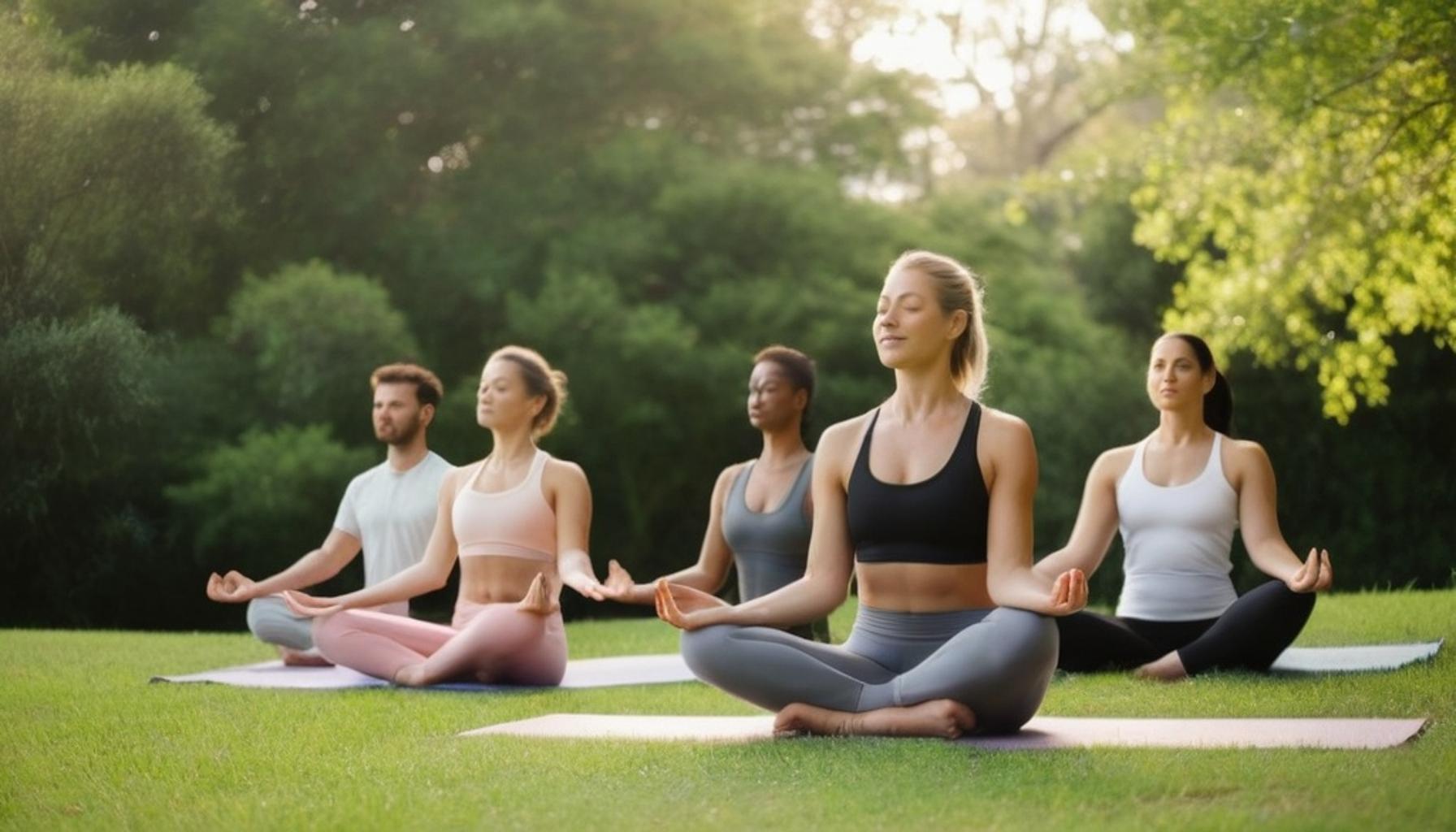
Strategies to Incorporate Physical Activity into Daily Routine Enjoyably

Making Movement a Daily Habit You Actually Look Forward To
Only 24% of American adults meet the recommended weekly exercise guidelines, according to the CDC. Yet millions still struggle to squeeze workouts into packed schedules. The good news? You don’t need a gym membership or an hour of free time to move more.
Learning to incorporate physical activity into everyday life doesn’t require drastic changes. Small, enjoyable habits often outlast rigid fitness plans. The secret lies in making movement feel less like a chore and more like a natural part of your day.
This article explores practical ways to build an active lifestyle without sacrificing your schedule or sanity. Expect real-world strategies you can start using today, including:
- Fun ways to stay active that don’t feel like traditional exercise
- Simple tweaks to transform your daily exercise routine
- Techniques to boost physical activity motivation long-term
- Creative ideas for turning chores, commutes, and breaks into movement opportunities
Whether you’re a busy parent, a desk-bound professional, or simply someone looking to feel better day to day, these enjoyable physical activities can fit seamlessly into your life. Let’s dive into the strategies that make staying active feel effortless—and even fun.
Why Motivation Fades and What Actually Works
Most people don’t abandon exercise because they’re lazy. They quit because their approach was never sustainable in the first place. Signing up for an expensive gym membership in January, only to stop showing up by March, is such a common pattern that researchers have a name for it: the “gym membership paradox.” Studies show that gym attendance drops by nearly 50% within the first six months of a new membership.
The problem often isn’t willpower. It’s the disconnect between what people think they should do and what actually fits their lives. Instead of chasing an hour-long workout that feels impossible on a Tuesday night, experts suggest anchoring movement to habits you already have. Walking your dog, taking the stairs at work, or dancing while making dinner all count. This approach, sometimes called “habit stacking,” pairs new behaviors with existing routines so they stick more naturally.
Turning Everyday Tasks Into Movement Opportunities
American cities and suburbs weren’t exactly designed with walkability in mind, but that doesn’t mean movement has to disappear from daily life. Parking farther from the store entrance, opting for a walking meeting instead of sitting in a conference room, or biking to a nearby coffee shop instead of driving are all small shifts that add up.
Household chores also offer a surprising amount of physical benefit. Vacuuming, gardening, and washing the car can burn a meaningful number of calories while accomplishing something productive. According to Harvard Health Publishing, a 30-minute session of vigorous yard work can burn as many calories as a moderate jog.
Making It Fun, Not Forced
Ultimately, sustainable movement comes down to enjoyment. Recreational sports leagues, dance classes, hiking groups, and even walking podcasts clubs have surged in popularity across the U.S. as people search for ways to move that don’t feel like punishment. The goal isn’t perfection. It’s consistency, curiosity, and finding what makes your body want to keep going.
CHECK OUT: Family Physical Activity: Building Bonds and Healthy Habits Together
Finding Your Personal Movement Style
Not every daily exercise routine works for every person, and that’s exactly the point. The fitness industry often sells a one-size-fits-all approach, but research from the American Council on Exercise shows that people who choose activities aligned with their personality and interests are far more likely to stick with them long-term than those who force themselves into generic workout plans. This finding challenges decades of gym culture that pushed identical routines onto vastly different personality types, often leading to burnout within just a few weeks.
Some people thrive on competition and structure, while others need spontaneity and social connection to stay engaged. Understanding which category you fall into can completely change how you approach movement. Think about the last time you actually looked forward to exercising rather than dreading it. Chances are, that activity matched something deeper about how you naturally engage with the world, whether that’s a love of strategy, a need for stillness, or a craving for adrenaline.
Match Your Personality to Your Activity
Before committing to any new routine, it helps to consider what naturally excites you. A few questions can guide the process:
- Do you prefer working out alone or thrive in group settings?
- Are you motivated by tracking progress, like steps or reps, or do you prefer activities without numbers attached?
- Do you enjoy the outdoors, or do you feel more comfortable indoors?
- Would you rather follow a set routine or try something different every day?
Answering these honestly can reveal fun ways to stay active that fit seamlessly into your personality instead of fighting against it. Someone who dislikes repetitive gym machines might discover a passion for rock climbing, kickboxing, or recreational soccer leagues, which have grown significantly in U.S. cities over the past decade. In places like Austin and Denver, adult sports leagues now report waitlists during peak seasons, a clear sign that Americans are actively searching for alternatives to traditional gym memberships.
Even something as simple as choosing between a quiet morning yoga session and a high-energy dance class can reveal underlying preferences that shape long-term consistency. For data-driven personalities, wearable fitness trackers and apps that log every mile or calorie burned can turn movement into a satisfying numbers game. For others, the absence of tracking is precisely what makes an activity feel freeing rather than like another item on a to-do list.
The Role of Community in Staying Active
Social accountability remains one of the most underrated active lifestyle tips available. A 2023 survey from the Physical Activity Council found that Americans who exercise with a friend or group are nearly twice as likely to maintain consistency compared to those who go it alone. That statistic alone should make anyone reconsider their solo gym routine.
This explains the boom in run clubs, cycling meetups, and community fitness challenges popping up in neighborhoods across the country. Apps like Strava and Meetup have made it easier than ever to find local groups, whether it’s a Saturday morning hiking crew in Colorado or a beach volleyball league in Florida. Even smaller towns are catching on, with local gyms hosting themed group classes designed specifically to build camaraderie rather than just burn calories.
Beyond accountability, community adds an emotional layer to movement. Sharing effort and progress with others often makes the experience itself more rewarding, transforming exercise from an obligation into a source of connection. Many participants describe these group settings as the highlight of their week, not just a box to check off.
For many, this social element becomes the missing piece that finally makes it possible to incorporate physical activity into everyday life without dreading it. The lesson seems clear: movement sticks best when it feels less like a chore and more like something worth showing up for, again and again.

Key Strategies to Incorporate Physical Activity Into Your Daily Routine
Finding fun ways to stay active doesn’t require a gym membership or hours of free time. Small, intentional changes can transform a sedentary day into an active lifestyle filled with movement. Below is a quick reference table highlighting practical approaches to help you incorporate physical activity into your daily routine while keeping things enjoyable and sustainable.
| Strategy | Benefit & Approach |
|---|---|
| Active Commuting | Walking or cycling to work burns up to 300 calories daily and boosts cardiovascular health. |
| Desk Break Exercises | Short stretching sessions every hour improve circulation and reduce workplace fatigue significantly. |
| Dance-Based Workouts | Combining music with movement increases physical activity motivation and adherence rates. |
| Social Group Activities | Joining friends for sports builds accountability while making a daily exercise routine feel less like a chore. |
Each of these enjoyable physical activities demonstrates that consistency matters more than intensity. Research from the American Heart Association suggests that even fragmented bouts of movement, totaling 150 minutes weekly, yield measurable improvements in metabolic health and mood regulation.
LEARN MORE: The importance of physical activity for mental health: how exercise can reduce anxiety and depression
Weaving Movement into the Fabric of Everyday Life
Structured workouts aren’t the only path toward better health. Some of the most effective active lifestyle tips involve reshaping ordinary moments rather than carving out entirely new blocks of time. The Centers for Disease Control and Prevention notes that adults need at least 150 minutes of moderate activity weekly, yet that total doesn’t have to come from a single gym session. It can be assembled from small, deliberate choices scattered throughout the day, and for many Americans juggling long commutes and packed calendars, this flexible approach feels far more achievable than blocking off an hour at the gym.
This is where the concept of “movement snacking” comes into play. Coined by exercise physiologists, the term describes short bursts of activity, sometimes just two or three minutes, inserted between regular tasks. A quick set of stairs before a meeting, a brisk walk during a phone call, or calf raises while brushing your teeth all count. Research published in the British Journal of Sports Medicine suggests these micro-sessions can improve cardiovascular health almost as effectively as one continuous workout. Some studies even indicate that breaking up sedentary time with frequent movement snacks may help regulate blood sugar levels better than a single lengthy exercise session performed after hours of sitting still.
Redesigning Daily Habits Without Overhauling Your Schedule
Many Americans assume they need an extra hour to incorporate physical activity into their day, but the real opportunity often lies in modifying habits already in place. Small, repeated choices compound over weeks and months into meaningful fitness gains, without ever requiring a dramatic lifestyle overhaul. Consider these adjustments:
- Parking farther from store entrances instead of circling for the closest spot
- Taking walking meetings instead of sitting in a conference room
- Using a standing desk paired with short walking breaks every hour
- Turning household chores like vacuuming or yard work into timed challenges
- Choosing stairs over elevators whenever a trip is three flights or fewer
None of these require special equipment or a gym membership, yet collectively they can add hundreds of extra steps and calories burned each week. Cities like Seattle and Minneapolis have even redesigned certain office parks with walking paths specifically to encourage employees to move between buildings instead of driving. Urban planners in these regions argue that infrastructure itself can nudge people toward healthier routines, suggesting that the built environment plays just as large a role as personal willpower.
Turning Errands and Chores into Enjoyable Physical Activities
Grocery shopping, dog walking, and gardening are often overlooked as legitimate forms of exercise, yet they contribute significantly to daily energy expenditure. Wearable device data collected by Fitbit shows that dog owners average nearly 2,500 more steps per day than non-owners, an easy reminder that companionship and movement often go hand in hand. Even something as simple as carrying grocery bags instead of relying on a cart can engage stabilizing muscles that typical workouts might neglect.
Reframing chores as enjoyable physical activities rather than obligations can shift motivation almost instantly. Gardening, for instance, engages muscles across the entire body while offering a tangible reward: fresh vegetables or blooming flowers by the end of the season. Raking leaves, mowing the lawn, or scrubbing floors might not look like exercise on paper, but the caloric burn and joint mobility involved rival many low-intensity workout classes.
This mindset shift also plays a powerful role in sustaining physical activity motivation over time. When movement is tied to a purpose, whether that’s a healthier lawn, a happier pet, or simply avoiding the last-minute parking scramble, it stops feeling like exercise and starts feeling like life. Over time, these small shifts accumulate into a lifestyle where staying active feels less like a chore and more like second nature, proving that the path to better health doesn’t always require a gym membership or a rigid schedule.
Making Movement a Lasting Part of American Life
Across every strategy explored in this article, one truth stands out: the most sustainable way to incorporate physical activity into daily life rarely looks like a formal workout. It looks like taking the stairs, walking the dog an extra block, or turning yard work into a Saturday ritual. These small, repeated choices matter more than any single trip to the gym, because consistency, not intensity, is what drives long-term results.
Public health data continues to support this approach. According to the CDC, fewer than 25 percent of American adults meet recommended activity guidelines, yet studies show that breaking exercise into shorter, flexible segments produces nearly identical cardiovascular benefits as longer sessions. This means the barrier isn’t physical capability, it’s often mindset and design. Rethinking daily environments, from office layouts to neighborhood walkability, can make movement feel automatic rather than forced.
Equally important is emotional connection. A daily exercise routine sticks best when it feels rewarding rather than obligatory. Whether that reward is a lower step count anxiety, more energy at work, or simply enjoying fresh air, personal meaning fuels consistency far better than willpower alone.
For readers searching for fun ways to stay active, the takeaway is simple: experiment before settling. Try walking meetings, dance breaks, community sports leagues, or hobby-based movement like gardening and cycling. Notice what naturally holds your attention, then build around it.
Ultimately, sustaining physical activity motivation isn’t about chasing perfection. It’s about designing a life where movement is woven into ordinary moments, one parking spot, one flight of stairs, one walk around the block at a time. As more Americans embrace these active lifestyle tips, the definition of exercise itself may keep expanding, proving that health doesn’t require a gym membership, just a willingness to move more often, more joyfully, and more intentionally.
Frequently Asked Questions
What are simple ways to incorporate physical activity into a busy daily routine?
You can incorporate physical activity by taking the stairs instead of the elevator, walking or biking for short errands, and doing a 10-minute stretch or bodyweight workout during TV commercial breaks. Scheduling short movement breaks every hour at work, like a quick walk around the office, also helps you stay active without needing extra time.
How can I make exercise feel enjoyable instead of like a chore?
Choose activities you genuinely like, such as dancing, hiking, or playing a sport, rather than forcing yourself into workouts you dread. Pairing exercise with music, podcasts, or a friend’s company can also make it feel more like fun and less like an obligation, increasing the odds you’ll stick with it long-term.
How much daily physical activity do I need if I’m just starting out?
The CDC recommends adults aim for at least 150 minutes of moderate-intensity activity per week, which breaks down to about 20 to 30 minutes a day. If you’re a beginner, starting with just 10-minute sessions a few times a day and gradually increasing duration is a realistic and sustainable approach.
What should I do if I don’t have time to go to the gym?
You don’t need a gym to incorporate physical activity into your routine; bodyweight exercises, brisk walking, yard work, and even household chores like vacuuming can count as effective movement. Using a standing desk, taking walking meetings, or doing a quick home workout video are practical alternatives that fit into a packed schedule.

Linda Carter
Linda Carter is a writer specializing in healthy habits and balanced living. With extensive experience helping readers build sustainable routines, she shares practical guidance on nutrition, physical activity, quality sleep, stress management, and emotional well-being. Her goal is to offer simple, accessible strategies that inspire people to care for their health and enjoy a more balanced life.