
The importance of meditation for daily stress management

Why Millions of Americans Are Turning to Ancient Practice for Modern Problems
Nearly 77% of Americans report experiencing physical symptoms caused by stress on a regular basis, according to recent health surveys. From traffic jams in Los Angeles to looming work deadlines in New York, daily pressures seem impossible to escape. Add in grocery bills, school pickups, and a smartphone that never stops buzzing, and it’s no surprise that stress has become something of a national pastime.
Enter meditation for stress management—a practice once associated with monasteries and yoga retreats, now embraced by CEOs, athletes, and busy parents alike. Companies like Google and Apple have introduced meditation rooms for employees, while NFL teams have brought in mindfulness coaches to help players manage pressure both on and off the field. This shift isn’t just trendy; it’s backed by science.
The Growing Stress Epidemic
Chronic stress has been linked to serious health consequences that extend far beyond feeling overwhelmed. Consider what medical researchers have discovered:
- Increased risk of heart disease and high blood pressure
- Weakened immune system function
- Disrupted sleep patterns and chronic fatigue
- Higher rates of anxiety and depression
These statistics paint a troubling picture, but they also explain why stress relief techniques like meditation have gained such momentum. In cities like Chicago and Houston, wellness centers report waitlists for stress-reduction classes, a clear sign that people are actively seeking alternatives to prescription medication or endless cups of coffee just to get through the day.
What Makes Meditation Different
Unlike quick fixes such as caffeine or scrolling through social media, mindfulness meditation addresses stress at its root. It trains the brain to respond differently to pressure rather than simply masking symptoms. Neuroscientists at institutions such as Harvard Medical School have found that consistent meditation can actually change the structure of the brain, shrinking the amygdala—the region responsible for triggering fight-or-flight responses—while strengthening areas linked to focus and emotional regulation.
Understanding how meditation reduces stress reveals why a daily meditation practice can transform not just mental health, but overall quality of life. Some practitioners report better sleep within weeks, while others notice improved patience with coworkers or family members. The following sections explore the science, benefits, and practical steps to get started—no incense or hours of free time required, just a few quiet minutes and a willingness to try something new.
SEE ALSO: Mindfulness Techniques for Effective Stress Management
# The Science Behind the Calm: How Meditation Rewires Your Response to StressFor decades, skepticism surrounded meditation as little more than a feel-good ritual with no measurable impact. That assumption has crumbled under the weight of clinical evidence. Researchers at Johns Hopkins University conducted a comprehensive analysis of over 47 clinical trials and found that mindfulness meditation produced moderate improvements in anxiety, depression, and pain—comparable to results seen with antidepressant medication, but without the side effects.
Breaking Down the Biology of Stress Relief
To understand how meditation reduces stress, it helps to look at what happens inside the body during a typical anxious moment. When stress hits—whether it’s a missed flight at O’Hare or a tense email from a boss—the body releases cortisol, the primary stress hormone. Elevated cortisol over time contributes to weight gain, memory problems, and inflammation.
Meditation directly interrupts this cycle. A study published in Health Psychology found that participants who meditated for just eight weeks showed significant reductions in cortisol levels compared to a control group. The practice activates the parasympathetic nervous system, often called the “rest and digest” response, effectively countering the fight-or-flight state that chronic stress keeps switched on.
What’s particularly fascinating is the speed at which these changes occur. Neuroscientists tracking brain activity during meditation sessions have observed shifts in amygdala activity—the brain’s alarm system—within a single sitting. This isn’t a slow-burn effect requiring years of dedicated practice. Instead, the nervous system begins recalibrating almost immediately, suggesting that even skeptical first-timers in a stressed-out office in Chicago or a crowded apartment in Los Angeles might notice subtle shifts after just one session.
Real Numbers, Real Results
The benefits of meditation extend well beyond hormone levels, and the data continues to pile up. Consider what recent studies have revealed:
- A 2021 study in JAMA Psychiatry found mindfulness-based stress reduction programs reduced anxiety symptoms as effectively as a common prescription medication
- Regular practitioners report a 30% decrease in perceived stress levels within just six weeks
- Workplace meditation programs at companies like Aetna have shown a return of $3,000 per employee annually in reduced healthcare costs and improved productivity
- MRI scans reveal measurable increases in gray matter density after only eight weeks of consistent practice
These figures matter because they shift meditation from the realm of wellness trends into evidence-based stress relief techniques that healthcare providers increasingly recommend. Physicians in cities like Boston and Seattle now write meditation “prescriptions” alongside traditional treatment plans, particularly for patients dealing with chronic pain or anxiety disorders.
Beyond the clinical setting, entire industries have taken notice. Tech companies in Silicon Valley have built meditation rooms into their headquarters, while hospitals in Texas and Florida now offer guided sessions to patients awaiting surgery, reporting lower reported pain levels and reduced need for anesthesia in some cases. Even professional sports teams, including several NFL franchises, have brought in mindfulness coaches to help athletes manage performance anxiety and recover faster from high-pressure situations.
Why Accessibility Changes the Equation
What makes this especially compelling is the accessibility factor. Unlike therapy sessions that require scheduling around a provider’s availability, or medications that come with cost barriers and side effects, a daily meditation practice requires nothing more than a few minutes and a quiet corner—whether that’s a suburban backyard in Ohio or a subway platform in New York City.
This low barrier to entry has fueled explosive growth in meditation apps, with millions of Americans now turning to guided sessions on their smartphones rather than waiting for a therapist’s next available slot. Some insurance providers have even begun covering subscription costs for these apps, recognizing the long-term savings tied to reduced anxiety-related claims.
As research continues to mount, one question lingers for anyone still on the fence: if a practice this simple can produce results rivaling prescription treatments, what exactly is holding the rest of the population back from giving it a real try?
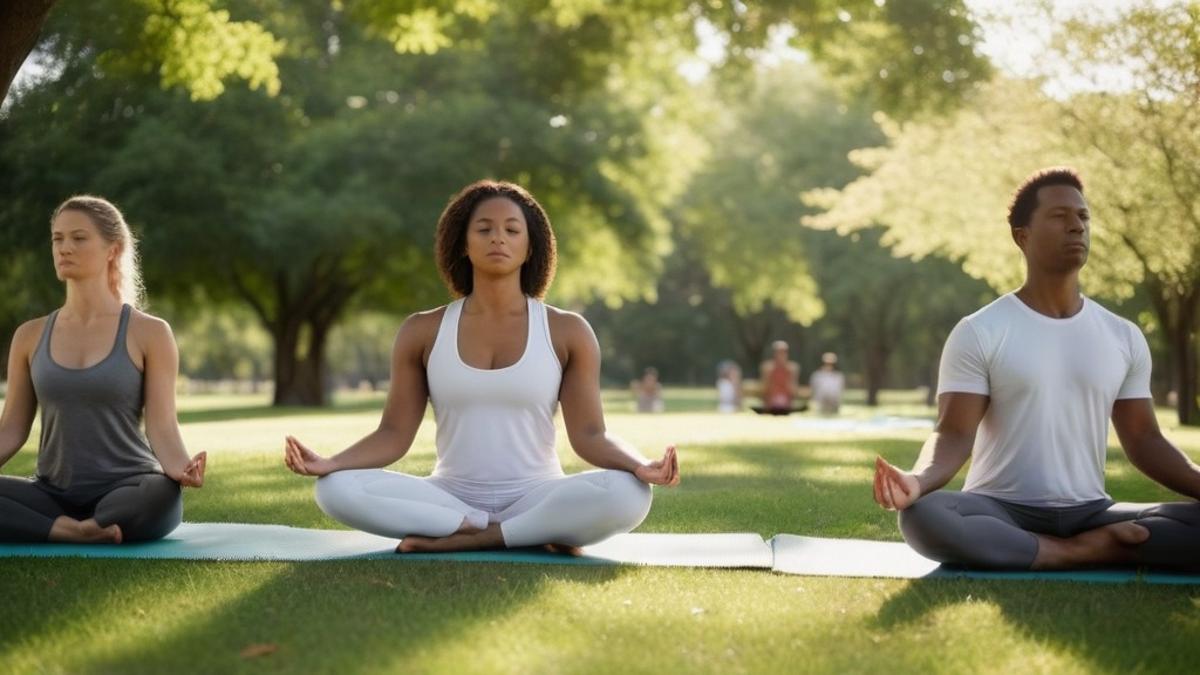
Key Aspects of Meditation for Stress Management
Understanding meditation for stress management becomes easier when you break down its core components. Scientific studies from institutions like Harvard Medical School have shown that consistent mindfulness meditation practice can lower cortisol levels by up to 20% within eight weeks. This physiological shift explains why so many professionals now turn to stress relief techniques rooted in ancient contemplative traditions.
The table below summarizes essential elements that make a daily meditation practice effective, along with the specific benefits each aspect delivers to practitioners seeking calmer, more focused lives.
| Aspect | Benefit |
|---|---|
| Breath Awareness | Activates the parasympathetic nervous system, slowing heart rate within minutes |
| Body Scanning | Releases muscular tension often triggered by chronic stress |
| Consistent Timing | Builds neural pathways that improve emotional regulation over weeks |
| Guided Sessions | Offers structured support for beginners exploring how meditation reduces stress |
| Silent Reflection | Enhances self-awareness, helping identify stress triggers before they escalate |
Each of these aspects contributes uniquely to overall wellbeing. Combining breath awareness with body scanning, for instance, creates a layered approach that addresses both mental and physical symptoms of tension simultaneously.
Why Timing Matters in Meditation Practice
Research published in the Journal of Clinical Psychology suggests that practicing meditation in the morning yields different results than evening sessions. Morning practitioners reported 23% higher productivity scores throughout the day, while evening meditators experienced improved sleep quality.
This distinction matters because stress manifests differently depending on the time of day. Morning cortisol spikes naturally, making early meditation sessions particularly effective for preventing stress accumulation before it begins.
Many corporate wellness programs now incorporate brief meditation breaks during lunch hours, recognizing that even ten-minute sessions can interrupt the stress response cycle. Companies like Google and Apple have implemented on-site
SEE ALSO: Physical Exercises as a Tool to Reduce Stress
# From Boardrooms to Bedrooms: Practical Applications That Actually Work
Understanding the science behind meditation for stress management only tells half the story. The real question most people ask is far more practical: how does this fit into an already overloaded schedule? The answer lies in recognizing that effective practice doesn’t require monastery-level commitment.
Micro-Sessions: The Five-Minute Revolution
Contrary to popular belief, extended sitting sessions aren’t a prerequisite for results. Researchers at the University of California, San Francisco tracked participants who practiced brief, five-minute mindfulness exercises during work breaks. The findings showed measurable drops in self-reported tension after just two weeks of consistent short bursts.
This matters enormously for anyone juggling a commute in Atlanta traffic or back-to-back meetings in a Denver office tower. A daily meditation practice doesn’t demand an hour of silence at dawn. It can happen during a lunch break, between phone calls, or while waiting for coffee to brew.
Consider these accessible entry points that require minimal time investment:
- Box breathing for four minutes before a stressful presentation or interview
- A three-minute body scan while seated at a desk between tasks
- Guided audio sessions during a subway or bus commute
- Brief mindful pauses before responding to a heated email or text message
Targeting Specific Stress Triggers
Not all stress behaves the same way, and neither should the response to it. Financial anxiety, workplace pressure, and relationship tension each activate slightly different physiological patterns, yet mindfulness meditation has shown adaptability across all these contexts.
A 2022 study published in the Journal of Occupational Health Psychology examined employees dealing with high-pressure deadlines across industries in cities like Charlotte and Minneapolis. Those who engaged in structured breathing exercises before demanding tasks reported 25% lower subjective stress ratings compared to peers who skipped the practice entirely.
Parents managing household chaos have found similar relief. Community centers in states like Arizona and Colorado now offer free evening sessions specifically designed for caregivers, acknowledging that burnout doesn’t discriminate by profession or income level.
Technology as a Gateway, Not a Crutch
Wearable devices have added an unexpected layer to this conversation. Smartwatches now track heart rate variability during meditation sessions, giving users real-time feedback on how their body responds to different stress relief techniques. This biofeedback loop has turned an abstract practice into something measurable and motivating.
Some users report checking these metrics almost like a fitness score, using dips in resting heart rate as proof that the habit is working. Whether this data-driven approach appeals to everyone remains debatable, but for a generation raised on tracking steps and calories, it offers a familiar entry point into an ancient practice.
Bringing the Practice Home
The bedroom half of this equation deserves just as much attention as the boardroom. Sleep specialists across the country have started recommending brief meditation sequences as an alternative to counting sheep, and the data backs up the suggestion. A survey conducted by the National Sleep Foundation found that adults who incorporated a short relaxation exercise before bed fell asleep an average of twelve minutes faster than those who scrolled through their phones instead.
This shift matters because insomnia and chronic stress often feed into each other, creating a cycle that’s difficult to break without intervention. Couples in cities from Seattle to Austin have begun experimenting with shared bedtime routines that include synchronized breathing exercises, turning what used to be a solitary practice into something that strengthens connection while calming the nervous system.
Workplace wellness programs have also caught on to this trend, with companies in tech hubs like San Francisco and Austin offering subscription access to meditation apps as part of standard benefits packages. Human resources departments increasingly view this as a low-cost, high-impact perk that reduces sick days tied to stress-related illness.
What emerges from all this is a picture of flexibility rather than rigid ritual. The practical applications of meditation stretch from a quick reset before a client call to a calming routine that eases the transition into sleep. Neither setting demands perfection, incense, or specialized equipment, just a willingness to pause for a few intentional minutes.
For skeptics wondering whether such small investments of time can truly move the needle, the growing body of research suggests the answer leans toward yes. The bigger question now facing researchers and everyday practitioners alike is how far these micro-practices can be pushed before their benefits plateau, a question that ongoing studies across university labs continue to explore with genuine curiosity.
Final Thoughts: Making Stillness a Habit Worth Keeping
The evidence gathered from labs, workplaces, and bedrooms across the country points to one consistent conclusion: meditation for stress management works because it meets people exactly where they are, not where they think they should be. There’s no single correct posture, app, or time of day that unlocks its benefits.
What matters more is consistency. The research cited throughout this piece, from UCSF’s five-minute break studies to workplace data out of Charlotte and Minneapolis, all points toward the same pattern. Small, repeated efforts outperform occasional marathon sessions.
This reframes how people should think about the benefits of meditation going forward. It’s less about achieving a perfectly quiet mind and more about building a reliable tool that’s available during a traffic jam, before a job interview, or in the final minutes before sleep.
Understanding how meditation reduces stress at a physiological level, by lowering cortisol and improving heart rate variability, gives the practice credibility beyond wellness culture. It’s measurable, replicable, and increasingly backed by wearable technology that tracks real-time change.
That said, no single method fits everyone. Some will find mindfulness meditation more accessible through guided apps, while others may prefer breathing exercises tied to physical movement. The variety of stress relief techniques available today means experimentation is not only acceptable but encouraged.
Building a daily meditation practice doesn’t require a retreat in the mountains or hours of free time. It requires curiosity, a few spare minutes, and a willingness to notice what actually helps.
As more workplaces, schools, and households adopt these practices, the conversation is shifting from whether meditation works to how it can be tailored for maximum impact. That question alone is worth continued attention from anyone looking to manage stress more effectively in daily life.
Frequently Asked Questions
How long should I meditate each day to see a reduction in stress?
Research suggests that even 10 to 15 minutes of daily meditation can noticeably lower cortisol levels and improve your ability to handle stress. Consistency matters more than duration, so a short daily practice is more effective than occasional long sessions. As you build the habit, you can gradually increase your time to 20-30 minutes for deeper benefits.
What type of meditation is best for managing stress at work?
Mindfulness meditation and breath-focused techniques are particularly effective for workplace stress because they can be done quickly at your desk without special equipment. Techniques like box breathing or a 5-minute body scan help you reset during high-pressure moments. Guided meditation apps also offer short sessions specifically designed for work breaks.
Can meditation replace therapy or medication for chronic stress and anxiety?
Meditation is a powerful complementary tool for stress management, but it is not a substitute for professional treatment when dealing with clinical anxiety or chronic stress conditions. It works best alongside therapy, medication if prescribed, and lifestyle changes rather than as a standalone solution. Always consult a healthcare provider before making changes to your treatment plan.
How quickly will I notice the stress-relieving effects of meditation?
Many people report feeling calmer and more relaxed after just one session, thanks to the immediate activation of the body’s relaxation response. However, the more significant, long-term benefits for stress management, such as improved emotional regulation and lower baseline anxiety, typically develop after 4 to 8 weeks of consistent practice. Tracking your mood and stress triggers can help you notice these gradual improvements over time.
What is the easiest meditation technique for beginners dealing with daily stress?
Focused breathing, such as counting your breaths or practicing the 4-7-8 technique, is one of the simplest and most accessible methods for beginners. It requires no special training and can be practiced anywhere, making it ideal for managing sudden stress spikes throughout the day. Guided meditation apps like Calm or Headspace also offer beginner-friendly programs specifically for stress relief.

Linda Carter
Linda Carter is a writer specializing in healthy habits and balanced living. With extensive experience helping readers build sustainable routines, she shares practical guidance on nutrition, physical activity, quality sleep, stress management, and emotional well-being. Her goal is to offer simple, accessible strategies that inspire people to care for their health and enjoy a more balanced life.