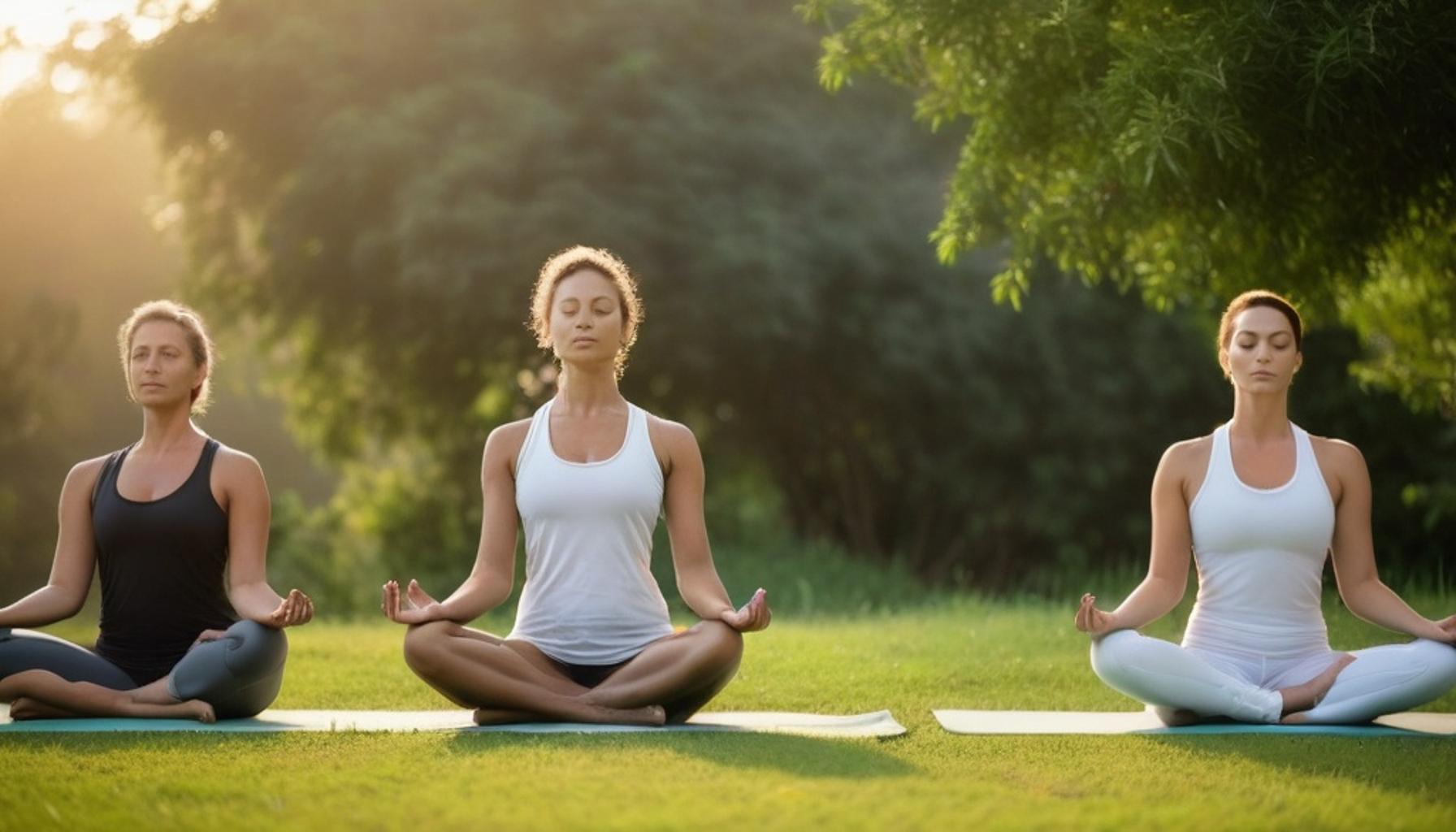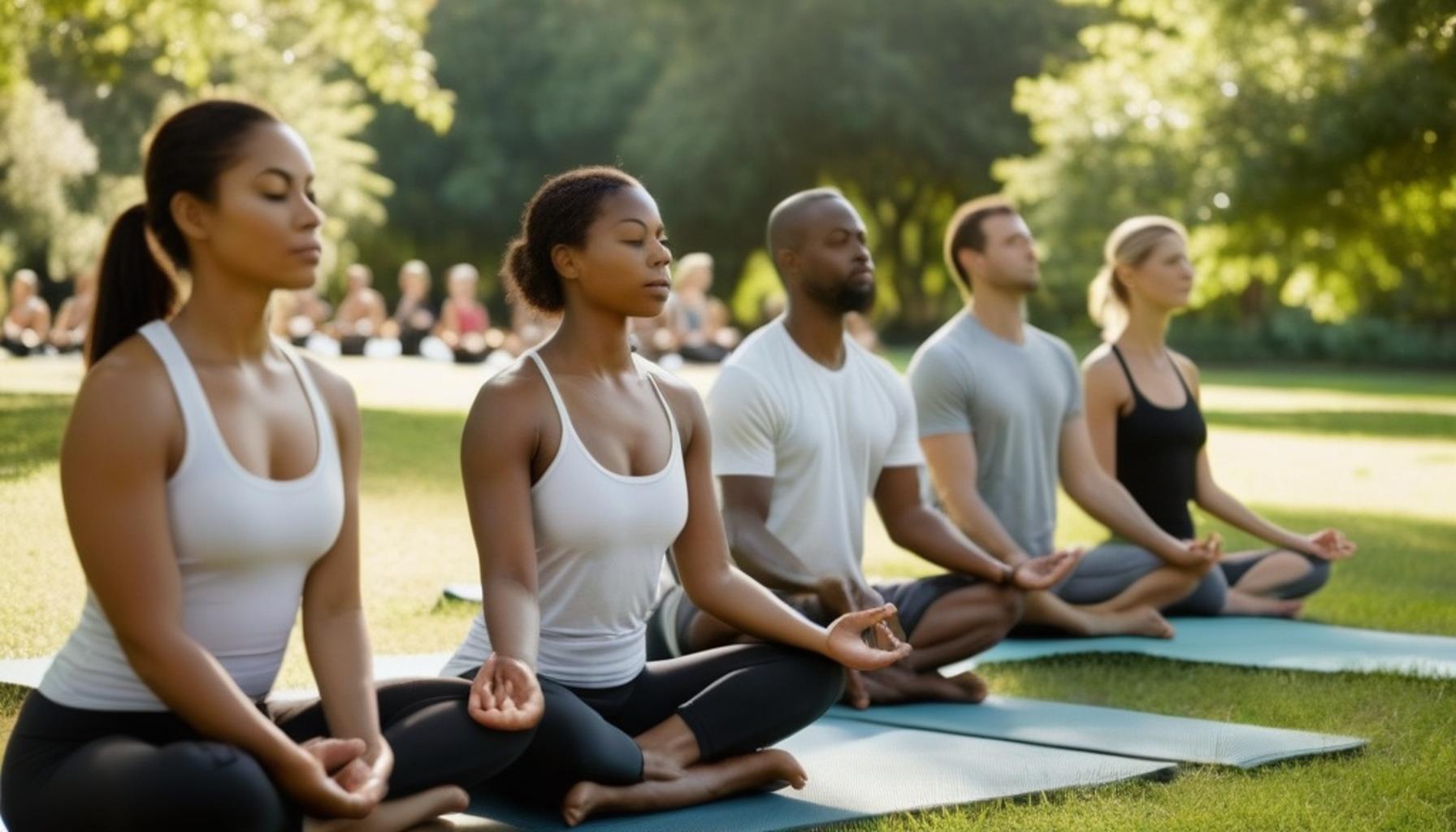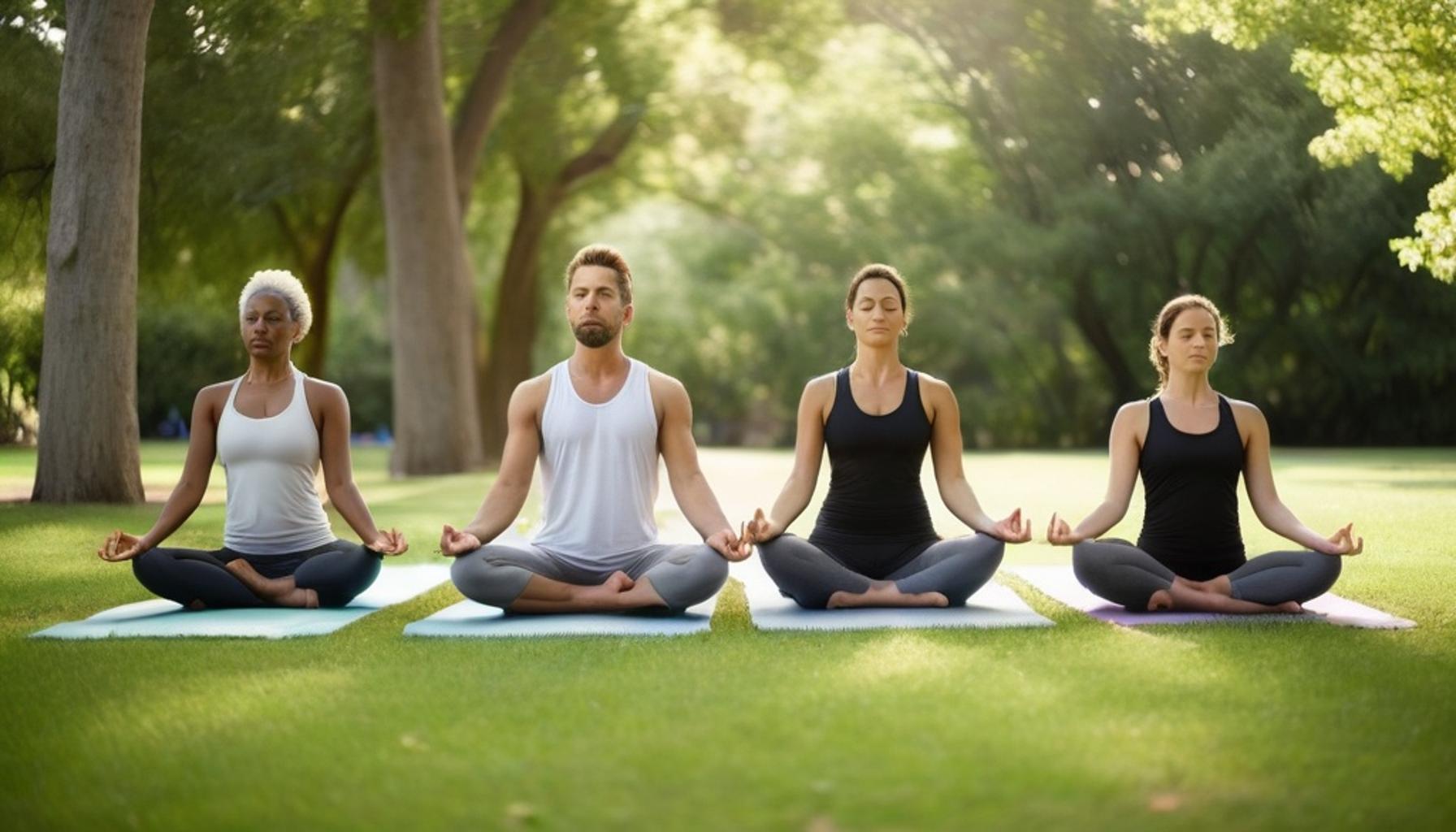
Mindfulness Techniques for Effective Stress Management
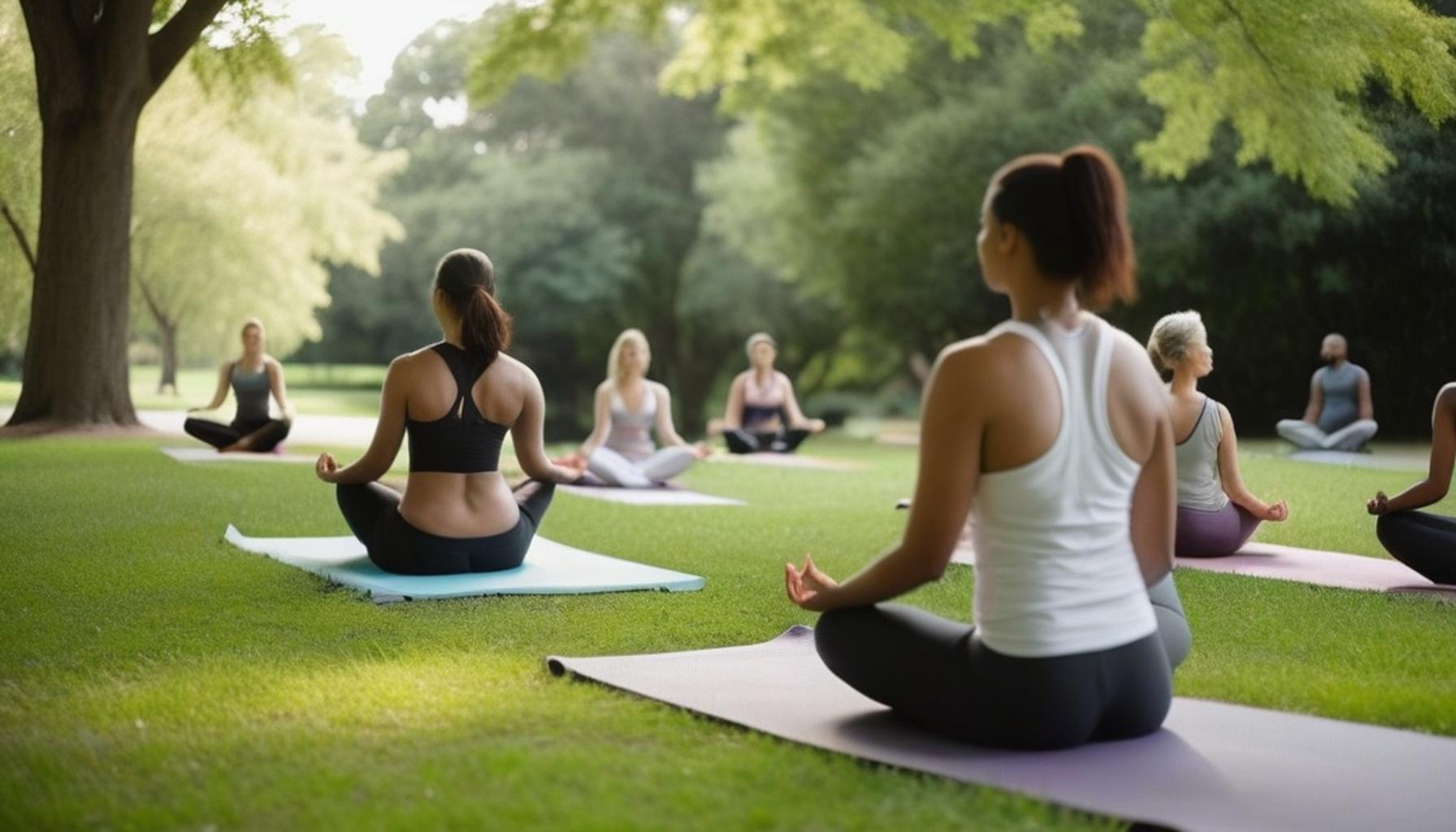
Why Modern Life Demands a New Approach to Calm
Picture this: you’re stuck on the 405 freeway in Los Angeles, the clock is ticking toward a client call, and your phone buzzes with three more urgent emails. Sound familiar? Nearly 77% of Americans regularly experience physical symptoms caused by stress, according to the American Psychological Association, and that number continues to climb as work, technology, and daily obligations blur the lines between rest and hustle.
From gridlock in Los Angeles to relentless deadlines in New York offices, stress has become a constant companion for millions of people across the country. Headaches, muscle tension, disrupted sleep, and even digestive issues are now common complaints among adults juggling careers, families, and the endless notifications of modern life.
But what if a few minutes of focused breathing could change how your brain responds to pressure? This is where Mindfulness Techniques for Stress Management come into play, offering a practical alternative to the chronic tension so many people accept as normal.
What You’ll Discover
Mindfulness isn’t just a wellness trend—it’s a scientifically backed practice rooted in ancient traditions dating back thousands of years, long before smartphones and skyscrapers existed. This article explores practical, easy-to-learn methods anyone can start today, regardless of their schedule or experience level.
- How to practice mindfulness in just five minutes a day, even during a lunch break
- Simple mindfulness breathing techniques for immediate relief during high-pressure moments
- The proven benefits of mindfulness for anxiety reduction, backed by clinical research
- Effective mindfulness exercises for stress relief you can do anywhere, from a subway car to a home office
The Science Behind the Practice
Research from Harvard Medical School shows that consistent mindfulness practice can physically reshape brain regions linked to stress response, including the amygdala, which governs fear and emotional reactivity. Participants in one study reduced cortisol levels by up to 20% after eight weeks of guided practice, suggesting measurable, biological change rather than a temporary mood boost.
Stress management through mindfulness isn’t about eliminating challenges—it’s about changing your relationship with them. Instead of reacting instinctively to every setback, practitioners learn to pause, observe, and respond with intention. Ready to explore how a shift in attention can transform your daily stress response?
SEE ALSO: The Impact of Sleep Hygiene on Stress Levels and Overall Health
Mindfulness Techniques for Effective Stress Management
Forget the notion that mindfulness requires an hour-long retreat in the mountains or a silent room free of distractions. The truth is far more accessible, and far more useful for anyone juggling a packed calendar in cities like Chicago, Austin, or Seattle.
How to practice mindfulness effectively often starts with a single tool: your breath. Controlled breathing activates the parasympathetic nervous system, the body’s natural brake pedal for stress, slowing heart rate and lowering blood pressure within minutes. This isn’t just anecdotal wellness advice circulating on social media, it’s backed by decades of physiological research showing measurable changes in cortisol levels after just a few cycles of deliberate breathing.
One widely used method, taught in clinics from Johns Hopkins to the Mayo Clinic, is called 4-7-8 breathing. It requires no equipment, no app, and no prior experience. Dr. Andrew Weil, who popularized the technique in the United States, often describes it as a natural tranquilizer for the nervous system, one that becomes more powerful with regular practice.
- Inhale quietly through the nose for 4 seconds
- Hold the breath gently for 7 seconds
- Exhale completely through the mouth for 8 seconds
- Repeat the cycle four times before returning to your task
This technique works particularly well before high-stakes moments: a job interview in Manhattan, a tense parent-teacher conference, or even sitting in traffic on I-95. The physical act of extending your exhale sends a direct signal to your brain that the perceived threat has passed. Commuters in Los Angeles and Atlanta, two cities notorious for gridlock, have reported using this exact method to avoid road rage during rush hour.
Body Scans: A Grounding Exercise for Chronic Tension
Another cornerstone among mindfulness exercises for stress relief is the body scan, a practice that draws attention systematically from head to toe. Unlike breathing exercises, this method targets physical tension that often goes unnoticed until it becomes chronic pain. Office workers who spend eight or more hours hunched over keyboards in places like Denver tech hubs or Boston startups frequently discover, through this practice, just how much stress they carry in their neck and shoulders without realizing it.
Start by sitting or lying down in a quiet space. Close your eyes if comfortable, and mentally move through each part of the body, noticing tightness in the jaw, shoulders, or lower back without judgment. Simply observing these sensations, research suggests, can reduce their intensity. Some practitioners compare the process to running a diagnostic scan on a computer, identifying glitches before they cause a full system crash.
A 2019 study published in the Journal of Behavioral Medicine found that participants who practiced body scans for just ten minutes daily reported significant reductions in perceived stress within three weeks. No incense, mats, or special clothing required, just a few quiet minutes and a willingness to pay attention. Interestingly, researchers also noted improved sleep quality among participants, suggesting the benefits extend well beyond daytime stress relief.
These foundational techniques set the stage for a broader shift: stress management through mindfulness becomes less about escaping pressure and more about building a toolkit that travels with you, whether you’re at a standing desk in a corporate office or waiting for a delayed flight at O’Hare. As more Americans search for practical, low-cost ways to manage daily stress, these simple, science-backed exercises continue to gain traction across workplaces, schools, and even hospital waiting rooms nationwide.
SEE ALSO: Mindfulness Techniques for Effective Stress Reduction
Beyond Breathing: Expanding Your Mindfulness Toolkit
Once breathing exercises and body scans become second nature, many people search for additional mindfulness techniques for stress management that fit into fragmented schedules. This is where mindful walking and micro-meditations enter the picture, offering flexibility that traditional seated meditation sometimes lacks.
Mindful walking, in particular, has found unexpected popularity among professionals in car-dependent cities like Phoenix and Houston, where dedicated exercise time is scarce. The practice involves paying deliberate attention to each step, the sensation of feet touching pavement, the rhythm of breath, and the sounds of the surrounding environment. Unlike a typical walk where the mind wanders toward emails or grocery lists, this technique anchors attention firmly in the present moment.
Guided Meditation and the Rise of Mindfulness Apps
Smartphone applications have dramatically changed how to practice mindfulness for busy Americans. Headspace and Calm, two of the most downloaded wellness apps in the country, report tens of millions of active users combined, many logging in during lunch breaks or before bed. This shift reflects a broader cultural change: mindfulness is no longer confined to yoga studios in Portland or wellness retreats in Sedona, it has become a mainstream tool accessible from a phone screen on the subway in New York City.
Research from the American Psychological Association points to measurable outcomes. Participants using guided meditation apps for eight weeks showed reduced symptoms of anxiety and improved emotional regulation compared to control groups. These findings support what many therapists already recommend: consistency matters more than duration. A rushed five minutes daily often outperforms a single, sporadic hour-long session.
Mindful Journaling as an Emotional Release Valve
Another underappreciated method involves pairing mindfulness with written reflection. Rather than free-form journaling, this technique asks practitioners to document specific sensory details, what they noticed, felt, or heard during a stressful moment, without editorializing or judgment.
- Write down one physical sensation experienced during stress, such as a tight chest or clenched fists
- Note one emotion present, without labeling it good or bad
- Record one thought that surfaced, observing it rather than engaging with it
This structured approach, often used in clinical settings addressing the benefits of mindfulness for anxiety, helps separate reactive emotions from rational responses. Therapists in cities like San Francisco and Minneapolis increasingly recommend this exercise for clients managing generalized anxiety disorder, citing its low barrier to entry and immediate accessibility.
Workplaces have taken notice too. Companies including Google and Aetna have implemented internal mindfulness programs, with Aetna reporting a reported 28 percent reduction in stress levels among employees who participated regularly. These corporate experiments suggest that mindfulness breathing techniques and related practices are shifting from personal wellness trends into measurable business strategy, one increasingly supported by internal health data and employee retention statistics.
CHECK OUT: Nutritional Strategies to Combat Stress and Enhance Well-being
Making Mindfulness a Sustainable Habit, Not a Trend
From body scans in Chicago living rooms to mindful walking sessions in Phoenix suburbs, the throughline across every technique discussed is simple: stress management through mindfulness works best when it fits naturally into existing routines rather than demanding wholesale lifestyle changes.
The data reinforces this. Whether it is the American Psychological Association’s findings on app-based meditation or Aetna’s internal wellness statistics, the pattern remains consistent. Small, repeated actions outperform occasional grand gestures. Five minutes of mindful breathing during a coffee break in Seattle carries more long-term value than a single weekend retreat attended once a year.
What makes this moment particularly interesting is the democratization of these practices. Mindfulness exercises for stress relief once associated with monasteries or specialized wellness centers are now embedded in corporate training modules, therapy sessions, and free smartphone apps used by teenagers and retirees alike.
Still, skepticism has its place. Not every technique resonates with every person, and researchers caution against treating mindfulness as a cure-all for conditions requiring clinical intervention. The benefits of mindfulness for anxiety are well documented, but they complement, rather than replace, professional mental health care when symptoms persist.
For readers wondering how to practice mindfulness without overhauling their schedules, the answer lies in experimentation. Try mindful journaling for a week. Swap one lunchtime scroll session for a guided meditation app. Notice what actually reduces tension versus what simply sounds appealing in theory.
Ultimately, the growing body of research and real-world corporate data suggests something worth investigating further: consistent, low-effort mindfulness practices may be one of the more accessible tools available for navigating modern stress, regardless of zip code or job title.
Frequently Asked Questions
How long should I practice mindfulness each day to notice a reduction in stress?
Most research suggests that 10 to 20 minutes of daily mindfulness practice can produce measurable reductions in cortisol and perceived stress within four to eight weeks. Even shorter sessions of 5 minutes, done consistently, can help if paired with techniques like deep breathing or body scans. The key is regularity rather than duration, so a short daily habit beats an occasional long session.
What is the difference between mindfulness meditation and deep breathing for stress relief?
Deep breathing is a quick physiological tool that activates the parasympathetic nervous system to lower heart rate and blood pressure almost immediately. Mindfulness meditation is a broader practice that trains sustained attention and non-judgmental awareness of thoughts, emotions, and sensations over time. Deep breathing can be used as an in-the-moment technique during a stressful event, while mindfulness meditation builds long-term resilience to stress triggers.
Can mindfulness techniques help with work-related stress and burnout?
Yes, techniques like the 5-4-3-2-1 grounding exercise, mindful breathing breaks, and brief body scans can be done at a desk to interrupt stress responses during a busy workday. Studies on workplace mindfulness programs show reduced burnout symptoms, improved focus, and better emotional regulation among employees who practice regularly. Even a two-minute pause between meetings to check in with your breath can prevent stress from compounding throughout the day.
Is it normal for my mind to wander constantly when I first try mindfulness for stress management?
Yes, a wandering mind is completely normal, especially for beginners, and it does not mean you are doing mindfulness incorrectly. The practice itself is noticing when your attention drifts and gently guiding it back to your breath or body without self-criticism. Over time, this repeated redirection actually strengthens your ability to manage stress by improving attentional control and reducing reactivity to intrusive thoughts.

Linda Carter
Linda Carter is a writer specializing in healthy habits and balanced living. With extensive experience helping readers build sustainable routines, she shares practical guidance on nutrition, physical activity, quality sleep, stress management, and emotional well-being. Her goal is to offer simple, accessible strategies that inspire people to care for their health and enjoy a more balanced life.