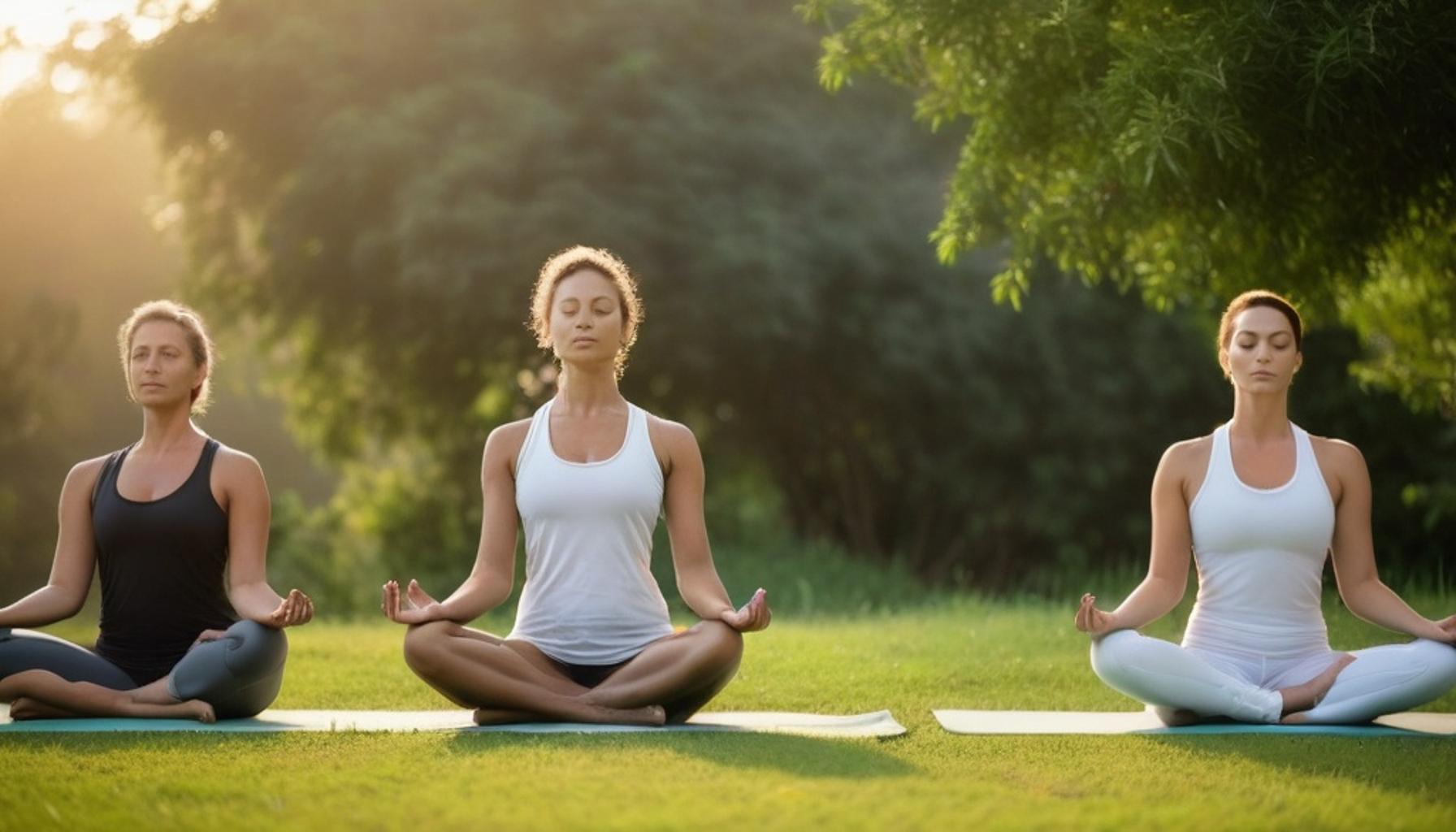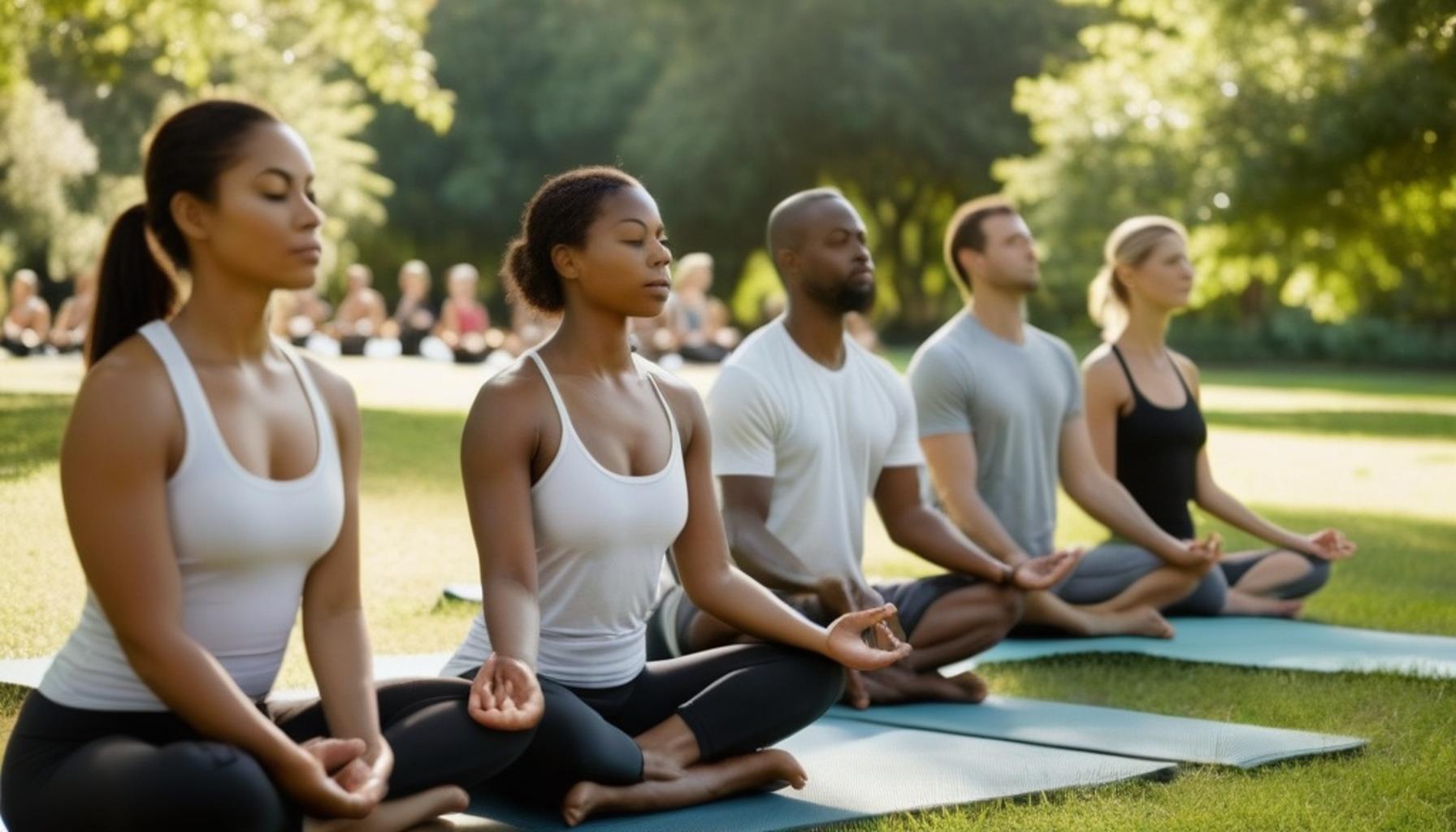
The Importance of Meditation in Stress Management
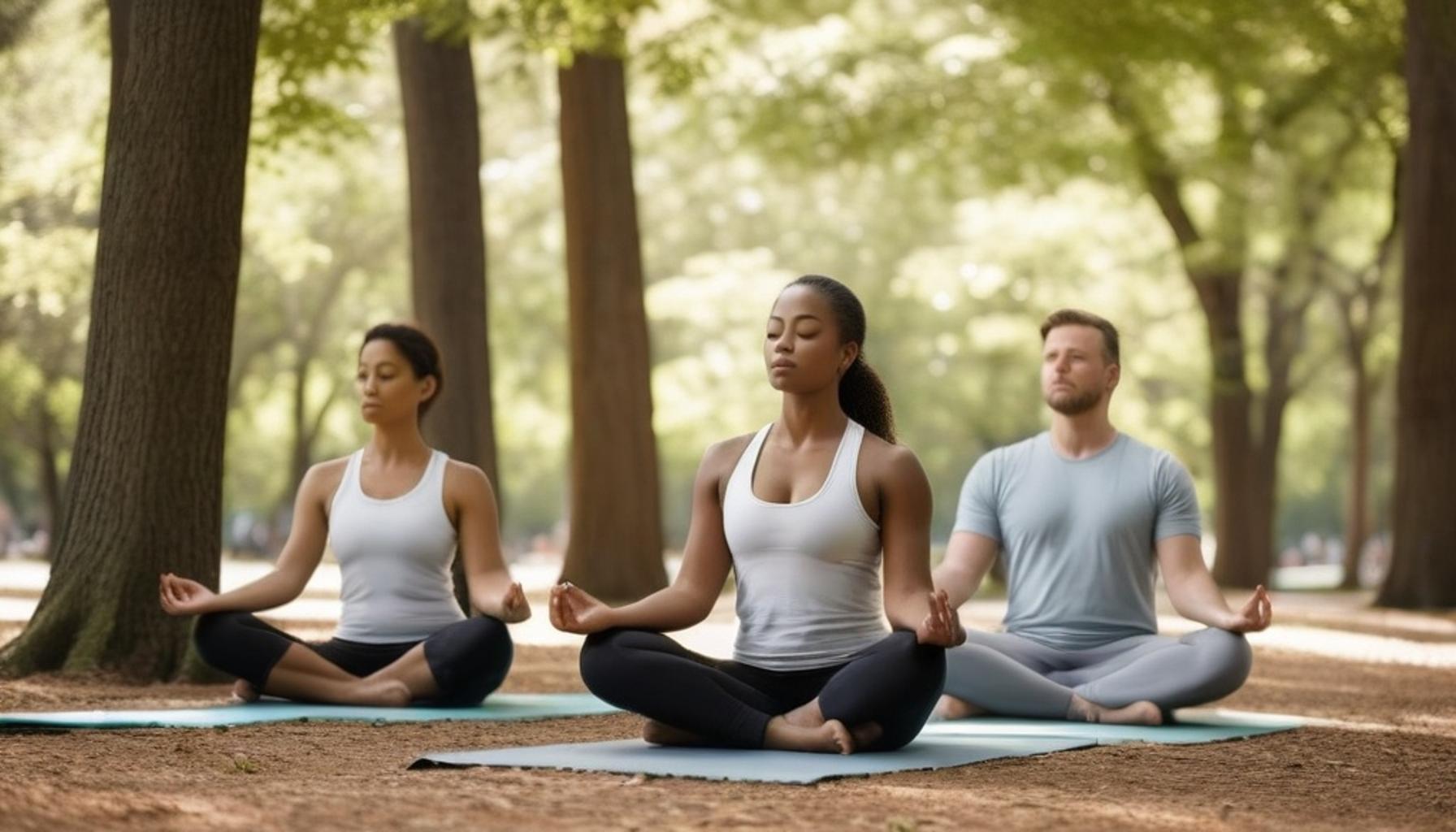
Why Millions of Americans Are Turning to Meditation for Stress Relief
Stress has become an unwelcome constant in American life. According to the American Psychological Association, 77% of U.S. adults report experiencing stress that affects their physical health. From tight work deadlines in Silicon Valley offices to financial pressures felt in small towns across the Midwest, the modern grind rarely slows down. Commutes stretch longer, inboxes never empty, and the line between work and home life continues to blur, especially since remote work reshaped daily routines.
Enter meditation—a practice once associated with monasteries and yoga studios, now embraced by CEOs, professional athletes, and everyday people alike. Tech executives in Seattle schedule meditation breaks between meetings, while NFL teams have brought mindfulness coaches into locker rooms. Meditation in stress management has moved from niche wellness trend to mainstream health strategy, with apps like Headspace and Calm reporting millions of downloads nationwide.
What Makes Meditation So Effective?
Understanding how meditation reduces stress starts with the brain. Research shows regular practice can lower cortisol levels, the body’s primary stress hormone. Neuroscientists at institutions such as Harvard have used brain imaging to observe measurable changes in the amygdala, the region responsible for processing fear and anxiety, after just eight weeks of consistent meditation.
The benefits of meditation for stress extend beyond temporary calm. Studies link consistent practice to:
- Reduced anxiety and improved emotional regulation
- Better sleep quality and reduced insomnia symptoms
- Lower blood pressure and heart rate
- Enhanced focus and decision-making under pressure
The importance of mindfulness in stress management lies in its accessibility—no special equipment, gym membership, or lengthy training required. Whether someone lives in a Manhattan apartment or a rural ranch in Texas, meditation can be practiced anywhere, from a parked car during a lunch break to a quiet corner of a busy household.
Getting Started: Simple Meditation Techniques for Beginners
Curious readers often ask where to begin. Fortunately, meditation techniques for beginners don’t demand hours of practice or a background in Eastern philosophy. Simple approaches, such as body scans, guided breathing exercises, and short mindfulness walks around the neighborhood, offer accessible entry points.
Even five minutes of focused breathing can trigger measurable stress relief through meditation, according to multiple clinical trials. This growing body of evidence explores practical approaches, backed by science, that anyone can start today—regardless of schedule, budget, or experience level. As more Americans search for sustainable ways to manage daily pressures, meditation continues gaining traction as a legitimate, evidence-based tool worth exploring further.
SEE ALSO: The Impact of Sleep Hygiene on Stress Levels and Overall Health
# The Science Behind the Calm: How Meditation Rewires the Stressed-Out Brain
Walk into any hospital break room from Boston to Los Angeles, and there’s a decent chance you’ll find a nurse practicing box breathing before her next shift. This isn’t coincidence—it’s evidence-based intervention gaining ground in America’s most demanding professions. Understanding meditation in stress management requires looking beyond anecdote and into the biology of what’s actually happening when someone sits quietly and breathes with intention.
The Cortisol Connection: What Happens Inside the Body
When stress hits, the body releases cortisol and adrenaline, priming muscles for a fight-or-flight response that made sense for ancestors fleeing predators. Today, that same biological alarm triggers over traffic jams, overflowing inboxes, and mortgage payments. How meditation reduces stress comes down to interrupting this ancient survival circuit before it spirals into chronic tension.
A 2018 study published in Health Psychology found that participants who meditated for just 25 minutes over three consecutive days showed significantly lower cortisol responses to stressful tasks compared to non-meditators. Johns Hopkins researchers reviewed nearly 47 clinical trials and concluded that mindfulness meditation programs showed moderate evidence of reducing anxiety, depression, and pain—comparable in some cases to antidepressant medication, without the side effects.
What makes these findings particularly compelling is the speed at which changes occur. Unlike pharmaceutical interventions that often require weeks to reach therapeutic levels, meditation appears to influence the body’s stress response almost immediately, even in novice practitioners. Researchers tracking heart rate variability—a key marker of nervous system balance—have observed measurable shifts within a single twenty-minute session, suggesting the body responds to intentional breathing and focused attention far faster than most people realize.
Beyond Relaxation: Measurable Changes in Brain Structure
The benefits of meditation for stress extend into physical changes within brain tissue itself. MIT and Harvard researchers using MRI technology documented increased gray matter density in the hippocampus, the area governing learning and memory, among individuals who completed an eight-week mindfulness program.
Simultaneously, the same study observed decreased gray matter in the amygdala, the brain’s fear center. Fewer resources devoted to fear processing generally translates to a calmer, more measured response to daily pressures.
Neuroscientists have also noted increased connectivity between the prefrontal cortex, responsible for rational decision-making, and the amygdala. This strengthened pathway essentially gives the thinking brain more influence over the reactive brain, allowing practitioners to pause before reacting impulsively to stressful triggers, whether that’s a snapping colleague or a sudden financial setback.
This growing evidence base explains why organizations across the country now integrate mindfulness into wellness programs. Consider these documented outcomes from workplace meditation initiatives:
- Aetna reported employees saved an average of 62 minutes per week in productivity after adopting a mindfulness program, valued at roughly $3,000 per employee annually
- General Mills found that 83% of employees who completed a seven-week meditation course reported taking time each day to optimize their productivity, up from 23% beforehand
- The U.S. Army has piloted “Mindfulness-Based Mind Fitness Training” to help soldiers manage combat-related stress and improve focus under pressure
- Google’s popular “Search Inside Yourself” program has trained thousands of employees since 2007, with participants reporting improved emotional regulation and decision-making clarity
These aren’t isolated wellness experiments—they represent a broader recognition that stress relief through meditation delivers quantifiable results, not just subjective feelings of calm. Universities from Stanford to the University of Wisconsin-Madison now house dedicated contemplative neuroscience labs, further legitimizing what was once dismissed as fringe practice.
As more data emerges from corporate boardrooms, military installations, and university research labs, the case for meditation continues strengthening well beyond wellness culture alone. What began as a spiritual practice thousands of years old is now being dissected, measured, and validated by the very institutions once skeptical of its value—proof that sometimes the oldest solutions hold the most modern relevance.
RECOMMENDED: Physical Exercises as a Tool to Reduce Stress
# From Theory to Practice: Meditation Techniques Anyone Can Start Today
Understanding the science is one thing; actually building a sustainable practice is another challenge entirely. For Americans juggling long commutes, demanding jobs, and family obligations, the biggest barrier to meditation in stress management isn’t skepticism—it’s simply not knowing where to begin.
Simple Meditation Techniques for Beginners
The good news is that effective practice doesn’t require a silent retreat in the mountains or hours of free time. Several meditation techniques for beginners have been specifically studied for their accessibility and rapid results.
Box breathing, popularized by Navy SEALs and now taught in corporate training sessions nationwide, involves inhaling for four counts, holding for four, exhaling for four, and holding again for four. This technique activates the parasympathetic nervous system within minutes, making it ideal for high-pressure moments like job interviews or difficult conversations.
Body scan meditation offers another entry point. Practitioners lie down or sit comfortably, then mentally travel from toes to scalp, noticing tension without judgment. Research from the University of Massachusetts Medical School’s Center for Mindfulness found this technique particularly effective for people carrying physical manifestations of stress, such as clenched jaws or tight shoulders.
For those who struggle with sitting still, walking meditation provides a moving alternative. Simply paying attention to each footstep, the sensation of feet touching ground, and surrounding sounds transforms an ordinary walk around the block into a grounding practice.
Guided Apps Versus Traditional Practice
Technology has dramatically lowered the barrier to entry. Apps like Headspace, Calm, and Insight Timer now boast tens of millions of downloads collectively, offering structured programs ranging from three-minute sessions to month-long courses.
A 2021 study in JMIR Mental Health found that participants using app-based mindfulness programs for just two weeks showed statistically significant reductions in perceived stress compared to a control group. This matters because it demonstrates that stress relief through meditation doesn’t require years of dedicated practice to produce noticeable change.
That said, mental health professionals caution against treating apps as a complete substitute for deeper practice. Many therapists now incorporate mindfulness-based stress reduction, or MBSR, into treatment plans for anxiety and chronic stress, often recommending structured eight-week programs alongside digital tools.
Building Consistency Without Burnout
Perhaps the most overlooked aspect of the importance of mindfulness in stress management is consistency over intensity. Researchers at UCLA’s Mindful Awareness Research Center found that brief, regular sessions produced more lasting benefits than sporadic, lengthy ones.
Practical strategies that have proven effective include:
- Anchoring practice to an existing habit, such as meditating immediately after brewing morning coffee
- Starting with just five minutes daily rather than attempting thirty-minute sessions that feel overwhelming
- Using workplace transition moments, like before checking email, as mini mindfulness triggers
- Tracking practice with simple habit apps to build momentum and visible progress
Employers increasingly recognize this reality too. Companies like Salesforce now offer designated “mindfulness zones” within office buildings, acknowledging that sustainable stress management requires environmental support, not just individual willpower.
Final Thoughts: Making Meditation Part of Your Stress Management Toolkit
The evidence is clear: meditation in stress management is no longer a fringe wellness trend but a practice backed by decades of research from institutions like Harvard, UCLA, and the University of Massachusetts. From lowering cortisol levels to physically reshaping the amygdala, the benefits of meditation for stress extend far beyond momentary relaxation.
What makes this topic particularly compelling for American readers is the accessibility factor. Whether it’s a five-minute box breathing exercise before a big presentation or a guided session squeezed in during a lunch break, how meditation reduces stress often comes down to small, consistent actions rather than dramatic lifestyle overhauls.
Still, it’s worth remembering that meditation isn’t a magic cure. It works best as one piece of a broader stress management strategy that might include exercise, proper sleep, and professional support when needed. The importance of mindfulness in stress management lies in its ability to complement, not replace, other healthy habits.
Looking ahead, expect to see meditation continue moving into mainstream American life—from public school classrooms piloting mindfulness curricula to insurance companies exploring coverage for MBSR programs. As workplace stress and anxiety rates remain stubbornly high, more employers and healthcare providers are likely to treat contemplative practices as legitimate preventive care rather than optional extras.
For anyone still on the fence, the barrier to entry has never been lower. A free app, a quiet corner, and just a few minutes a day are enough to start experiencing stress relief through meditation firsthand. The real question isn’t whether meditation works, but how soon you’re willing to give it a try.
Frequently Asked Questions
How does meditation help reduce stress on a physiological level?
Meditation activates the parasympathetic nervous system, which lowers cortisol levels, heart rate, and blood pressure. This shifts the body out of the fight-or-flight response and into a calmer, more relaxed state. Regular practice can also reduce inflammation markers linked to chronic stress.
How many minutes a day should I meditate to see stress relief benefits?
Most studies suggest that just 10 to 20 minutes of daily meditation can produce noticeable reductions in stress and anxiety within a few weeks. Beginners can start with as little as 5 minutes and gradually increase the duration as it becomes a habit. Consistency matters more than length, so daily short sessions are often more effective than occasional long ones.
What type of meditation is best for managing stress in United States?
Mindfulness meditation and guided breathing exercises are among the most researched and effective techniques for stress management, and they are widely taught through American workplace wellness programs and apps like Headspace and Calm. Body scan meditation and loving-kindness meditation are also popular alternatives for those dealing with work-related anxiety. Trying a few different styles can help you find the one that fits your lifestyle best.
Can meditation replace therapy or medication for chronic stress?
Meditation is a powerful complementary tool but is not typically recommended as a standalone replacement for therapy or medication in cases of clinical anxiety or chronic stress disorders. It works best alongside professional treatment, healthy lifestyle habits, and support from a mental health provider. Always consult a doctor or therapist before adjusting any existing treatment plan.
Is it normal to feel more anxious when I first start meditating?
Yes, some people experience heightened awareness of their thoughts and emotions when they begin meditating, which can temporarily feel uncomfortable. This is a normal part of the process as the mind adjusts to sitting with stillness instead of distraction. Starting with shorter sessions and guided meditations can make the transition smoother.
Can meditation apps effectively support stress management, or do I need a class?
Meditation apps like Calm, Headspace, and Insight Timer offer structured, science-backed programs that can be just as effective as in-person classes for most people managing everyday stress. They provide flexibility and convenience, which makes it easier to build a consistent habit around a busy American work schedule. In-person classes or a certified instructor may be more beneficial for those seeking deeper guidance or dealing with severe stress.

Linda Carter
Linda Carter is a writer specializing in healthy habits and balanced living. With extensive experience helping readers build sustainable routines, she shares practical guidance on nutrition, physical activity, quality sleep, stress management, and emotional well-being. Her goal is to offer simple, accessible strategies that inspire people to care for their health and enjoy a more balanced life.