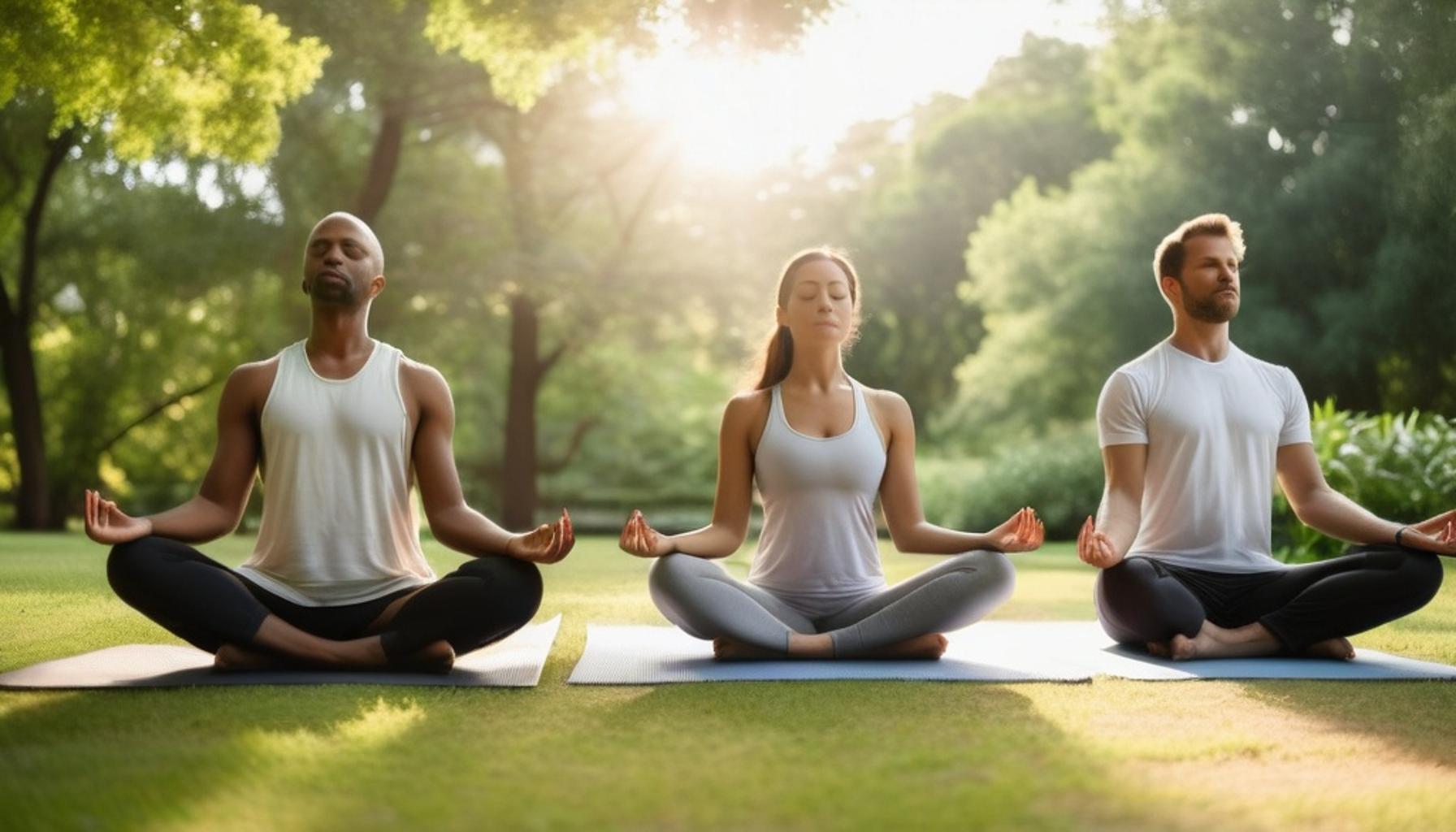
Mindfulness Techniques for Reducing Stress in Daily Life
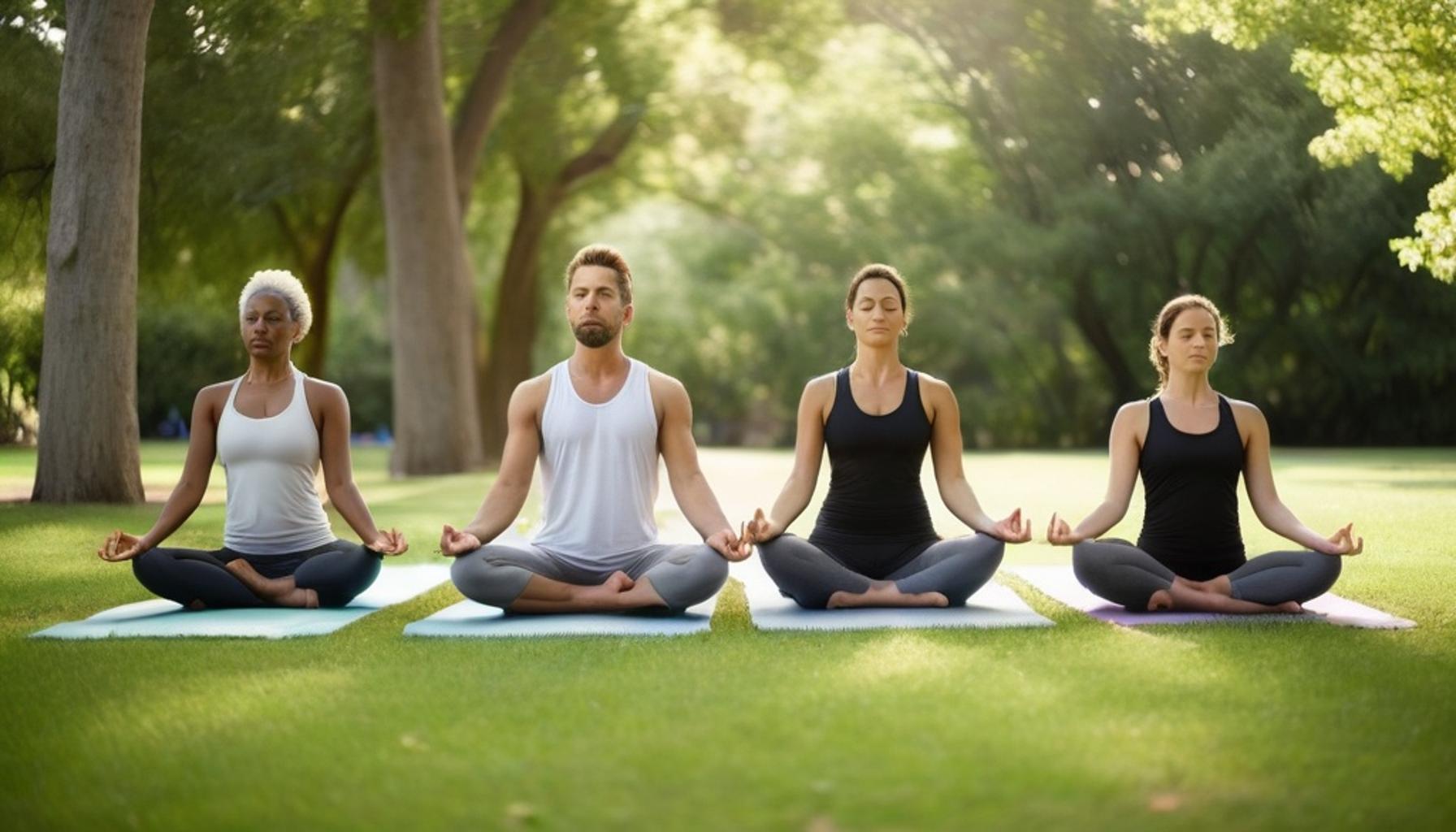
Why Mindfulness Techniques for Stress Are Gaining Ground in American Life
Americans are more stressed than ever, with the American Psychological Association reporting that 76% of adults experienced health impacts from stress in the past month alone. From packed commutes in Los Angeles to back-to-back Zoom calls in New York, daily pressures are piling up fast, and the toll is showing up everywhere—in sleep patterns, workplace productivity, and even chronic health conditions like hypertension and heart disease.
This is where Mindfulness Techniques for Stress come into play. Rooted in ancient practice but backed by modern neuroscience, these tools are reshaping how people manage anxiety, focus, and emotional balance. What was once considered a niche wellness trend practiced mostly on yoga mats in Boulder or Santa Monica has now entered boardrooms, classrooms, and even military training programs across the country.
What You’ll Discover in This Guide
This article breaks down practical, science-supported stress reduction techniques you can start using today. No incense or hour-long retreats required—just simple shifts in daily habits that fit into even the busiest American schedule, whether you’re commuting on the subway in Chicago or grabbing five minutes between meetings in Austin.
- How to practice mindfulness in less than five minutes a day
- Specific daily mindfulness practices for work, home, and travel
- The proven benefits of mindfulness meditation on cortisol levels and sleep quality
- Simple breathing exercises used by athletes and executives alike, including techniques adopted by NFL teams and Fortune 500 leadership coaches
Whether you’re stuck in traffic on the 405 or juggling deadlines at your desk, mindfulness for stress relief offers accessible solutions that don’t require special equipment or a membership fee. Research from Harvard Medical School even suggests consistent practice can physically reshape areas of the brain linked to stress response, particularly the amygdala, which governs the body’s fight-or-flight reaction.
Interestingly, companies like Google and Aetna have already implemented mindfulness programs for employees, citing measurable drops in reported stress and improved focus. Meanwhile, apps like Headspace and Calm have seen download numbers surge, especially among younger professionals navigating hybrid work environments.
Ready to explore how a few intentional minutes each day can transform your stress levels? Let’s dive into the techniques that are changing lives across the country, one mindful breath at a time.
RECOMMENDED: The Importance of Meditation in Stress Management
# The Science Behind Mindfulness: Why Your Brain Craves ItBefore diving into techniques, it helps to understand why Mindfulness Techniques for Stress actually work. This isn’t just feel-good wellness talk—it’s measurable biology, backed by neuroscience and years of clinical research.When researchers at Massachusetts General Hospital scanned the brains of participants after an eight-week mindfulness program, they found something remarkable: reduced gray matter density in the amygdala, the brain’s stress-alarm center. At the same time, areas linked to memory and emotional regulation showed increased activity. In plain terms, consistent practice doesn’t just calm you down temporarily—it physically retrains how your brain responds to pressure. This kind of structural change is what scientists call neuroplasticity, the brain’s ability to reorganize itself based on repeated experience.This matters because chronic stress isn’t just an inconvenience. It’s linked to elevated cortisol levels, weakened immune response, and increased risk of conditions like anxiety disorders and cardiovascular disease. The Centers for Disease Control and Prevention has flagged stress-related illness as a growing public health concern, particularly among working-age adults juggling careers, caregiving, and financial pressure. Some estimates suggest that stress-related absenteeism costs American employers billions annually, a figure that has pushed more companies to take mental wellness seriously.
How to Practice Mindfulness Without Overhauling Your Schedule
The good news? You don’t need a silent retreat in Sedona to see results. How to practice mindfulness effectively often comes down to small, repeatable actions woven into an already-packed day. The myth that mindfulness requires hours of seated meditation keeps many people from ever starting.Consider these entry points that require minimal time investment:
- The two-minute body scan — Before checking your phone in the morning, mentally scan from head to toe, noticing tension without judgment
- Mindful transitions — Use the walk from your car to the office door as a moment to notice your breath instead of rehearsing your to-do list
- Single-task eating — Eating lunch without scrolling has been shown to improve digestion and reduce afternoon energy crashes
- The pause-before-respond technique — Taking three seconds before replying to a stressful email, a method increasingly taught in corporate leadership training
These aren’t abstract ideas. Companies like Salesforce and General Mills have built entire wellness curriculums around exactly this kind of micro-practice, reporting improved employee retention and fewer sick days tied to burnout. Even a handful of minutes, applied consistently, appears to compound into measurable changes over weeks and months.
Daily Mindfulness Practices That Fit Real American Lifestyles
What separates lasting habits from short-lived trends is relevance. Daily mindfulness practices need to match how people actually live—rushed mornings, long commutes, constant notifications competing for attention every few minutes.A teacher in Denver might practice mindful breathing during a five-minute break between classes. A rideshare driver in Miami might use red lights as cues to unclench their jaw and reset posture. A remote worker in Seattle might close out their laptop with a two-minute gratitude pause instead of immediately switching to household tasks. Even parents managing school pickups and dinner prep have found ways to fold in brief moments of presence between tasks.The common thread isn’t the setting—it’s the intention behind small, consistent moments of awareness scattered throughout the day. Researchers increasingly suggest that frequency matters more than duration, meaning short, repeated check-ins may outperform a single long session once a week.
LEARN MORE: The Impact of Sleep Hygiene on Stress Levels and Overall Health
# Breathing Techniques and Sensory Anchors That Interrupt the Stress ResponseNot all mindfulness techniques for stress require silence or stillness. Some of the most effective tools work in real time, right in the middle of a chaotic moment, without anyone around you even noticing.Box breathing is one example gaining traction far beyond wellness circles—it’s used by Navy SEALs, ER nurses, and even air traffic controllers to stay composed under pressure. The method is simple: inhale for four counts, hold for four, exhale for four, hold for four. Repeating this cycle three or four times can lower heart rate and interrupt the fight-or-flight cascade triggered by cortisol and adrenaline.
The 5-4-3-2-1 Grounding Method
Sensory grounding is another stress reduction technique worth knowing, particularly for moments of acute overwhelm—a packed subway platform, a tense family dinner, a last-minute deadline.The 5-4-3-2-1 method works like this:
- Name five things you can see around you right now
- Identify four things you can physically feel, like fabric or the floor beneath your feet
- Notice three sounds in your environment
- Recognize two things you can smell
- Acknowledge one thing you can taste
This technique pulls attention out of anxious thought loops and back into the present physical moment. Therapists specializing in anxiety disorders frequently recommend it as a fast-acting alternative to longer meditation sessions.
What the Research Says About Long-Term Benefits
The benefits of mindfulness meditation extend well beyond momentary calm. A 2014 meta-analysis published in JAMA Internal Medicine reviewed nearly 47 clinical trials and found moderate evidence that mindfulness programs improve symptoms of anxiety, depression, and pain—comparable in some cases to the effects of antidepressant medication, though without the side effects.Separately, researchers at Carnegie Mellon University found that just 25 minutes of mindfulness practice spread across three consecutive days was enough to reduce cortisol reactivity in stressful lab-simulated tasks. That’s a strikingly small time investment for a measurable physiological shift.Insurance providers have taken notice, too. Aetna, after offering mindfulness programs to employees, reported an average productivity gain valued at roughly $3,000 per employee annually, alongside decreased healthcare costs. Numbers like these are part of why mindfulness has moved from alternative practice to something increasingly embraced by mainstream medicine and corporate policy alike.
Apps, Wearables, and the Rise of Digital Mindfulness
Technology has also reshaped access to mindfulness for stress relief. Apps like Headspace and Calm report tens of millions of downloads, while wearable devices now track heart rate variability to signal when a user might benefit from a breathing exercise.Critics argue this digital shift risks turning an introspective practice into another notification competing for attention. Still, for many first-time users, an app-guided session serves as a low-pressure entry point—one that often leads to more consistent, unplugged practice over time.
CHECK OUT: Mindfulness Techniques for Effective Stress Management
Bringing Mindfulness Into the Rhythm of Everyday Life
Stress isn’t disappearing anytime soon. Deadlines, traffic, family obligations, and the constant pull of notifications aren’t going away either. What changes, when someone commits to mindfulness techniques for stress, is the body’s relationship to all that noise.
Box breathing, sensory grounding, and short daily meditation sessions aren’t magic fixes. They’re closer to physical training—small, repeatable actions that, over weeks and months, recalibrate how the nervous system responds to pressure. The research backs this up: measurable drops in cortisol, fewer anxiety symptoms, and even workplace productivity gains substantial enough for companies like Aetna to invest in formal programs.
Starting Small Still Counts
One of the more reassuring takeaways from the science is that consistency matters more than duration. A few minutes spent on daily mindfulness practices can shift physiological stress markers, according to Carnegie Mellon’s findings. Nobody needs a silent retreat in the Catskills to benefit.
For those still wondering how to practice mindfulness without overhauling their schedule, the entry point can be as simple as one grounding exercise during a commute or one box-breathing cycle before a meeting.
What’s worth remembering is that mindfulness isn’t about eliminating stress entirely—that’s an unrealistic goal in a culture built on urgency. It’s about building a buffer, a pause button that makes reactive moments less likely to spiral.
Whether through an app, a therapist’s recommendation, or a technique borrowed from Navy SEAL training, the tools are increasingly accessible. The bigger question now isn’t whether mindfulness works, but how each person chooses to weave it into a life that rarely slows down on its own.
Frequently Asked Questions
What are the most effective mindfulness techniques for stress relief that I can do in under 5 minutes?
Box breathing, body scans, and the 5-4-3-2-1 grounding exercise are quick mindfulness techniques for stress that fit into a short break. Simply focus on your breath for four counts in, hold for four, and exhale for four to activate your body’s relaxation response. These micro-practices work well during a busy workday or before a stressful meeting.
How often should I practice mindfulness techniques for stress to see real results?
Most research suggests practicing mindfulness techniques for stress for at least 10 minutes daily leads to noticeable improvements within two to four weeks. Consistency matters more than duration, so a short daily session is more beneficial than an occasional long one. Many people find it helpful to anchor their practice to an existing habit, like right after waking up or before bed.
Can mindfulness techniques for stress actually lower cortisol levels?
Yes, studies have shown that regular mindfulness practice can reduce cortisol, the body’s primary stress hormone, along with lowering blood pressure and heart rate. Techniques like deep breathing and meditation activate the parasympathetic nervous system, which counteracts the fight-or-flight response. Over time, this can lead to better stress resilience and improved overall well-being.
What’s the difference between mindfulness meditation and other mindfulness techniques for stress?
Mindfulness meditation typically involves setting aside dedicated time to sit quietly and observe your thoughts, while other mindfulness techniques for stress, like mindful walking or eating, integrate awareness into everyday activities. Both approaches train your brain to stay present rather than dwelling on past or future worries. Combining both formal meditation and informal practices often provides the most comprehensive stress relief.
Are there mindfulness techniques for stress that work well for beginners who find it hard to sit still?
Yes, movement-based practices like mindful walking, gentle yoga, or tai chi are excellent mindfulness techniques for stress if traditional seated meditation feels difficult. These allow you to focus on physical sensations and breath while staying active, making it easier to stay present. Starting with just two or three minutes of mindful movement can build comfort before trying longer sessions.

Linda Carter
Linda Carter is a writer specializing in healthy habits and balanced living. With extensive experience helping readers build sustainable routines, she shares practical guidance on nutrition, physical activity, quality sleep, stress management, and emotional well-being. Her goal is to offer simple, accessible strategies that inspire people to care for their health and enjoy a more balanced life.